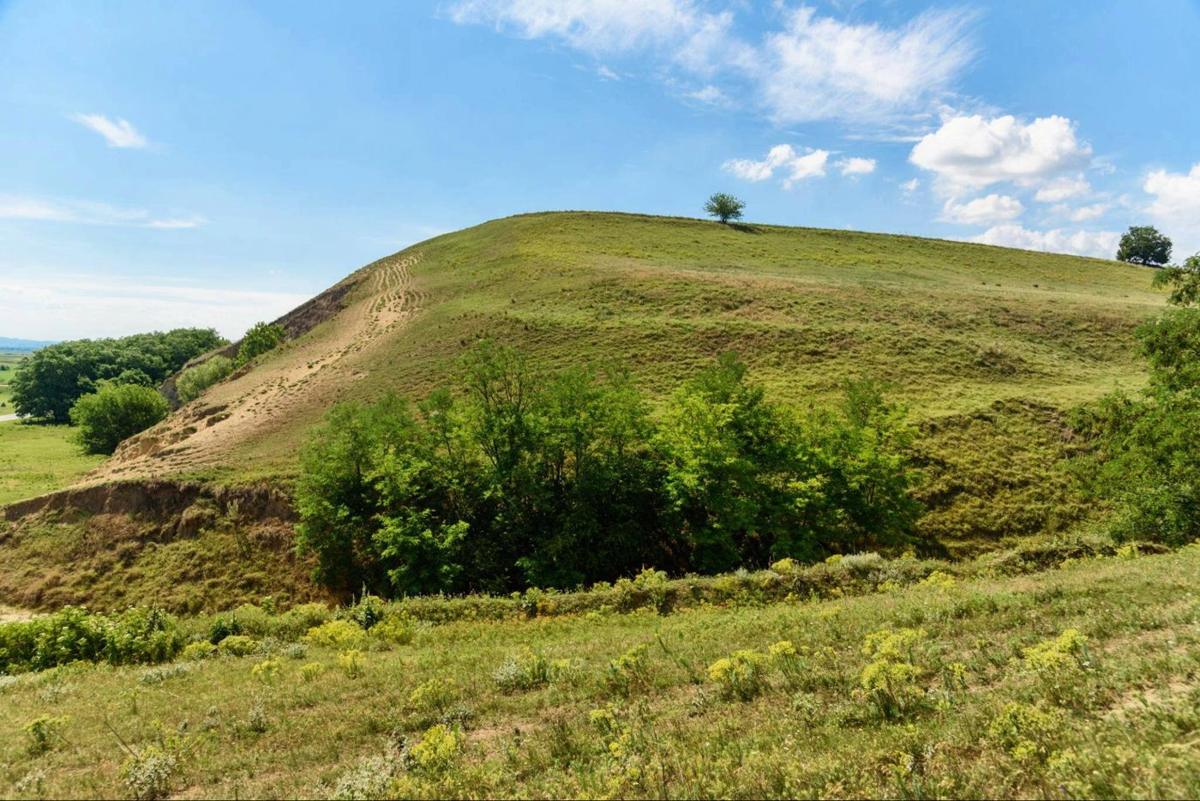
Eastern Serbia calling!
I've put together a one-day route for the lucky car owners.
Route in Google
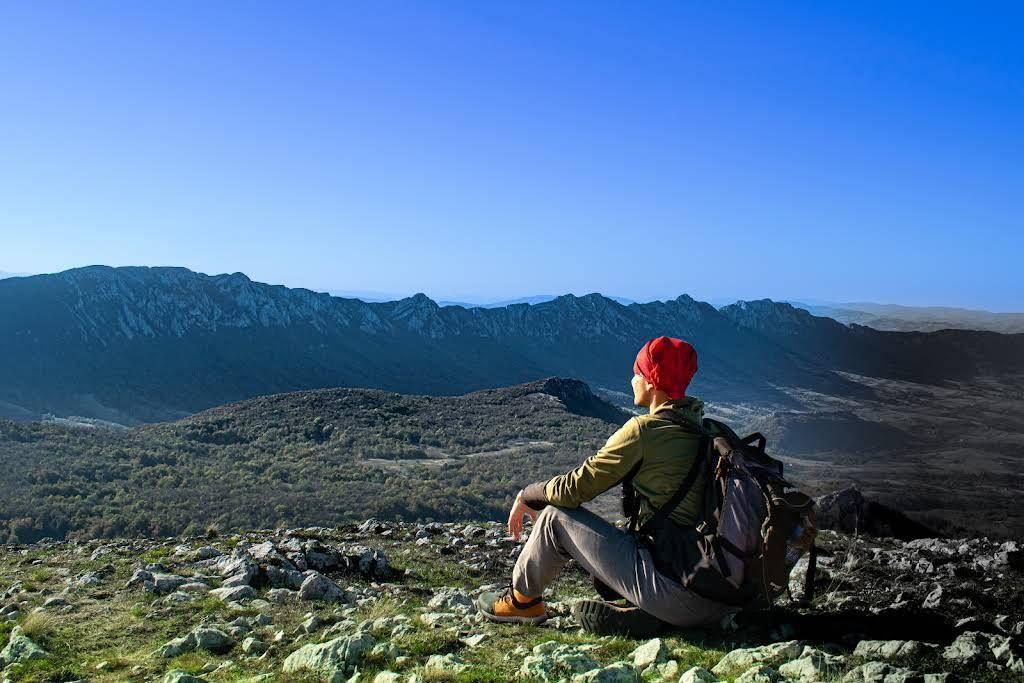
🗺 Eastern Serbia is a great destination if you're craving peace, nature and history. Secluded monasteries. Quiet waterfalls. A cave 80 million years old. A magical spring and wonderful views of Serbian villages out the window.
All in all, a great route to recharge — and to see cozy provincial Serbia.
Read before the trip:
Blagoveštenje Monastery
Gornjak Monastery
Krupajsko Vrelo
Veliki Buk Waterfall
Resava Cave
Manasija Monastery
Published 16 May 2025 · Open the post in Telegram ↗
Resava Cave
Before the trip on 17 May, I'll do a series of posts to introduce you to the beauty of Eastern Serbia. It'll work for road-trippers too.
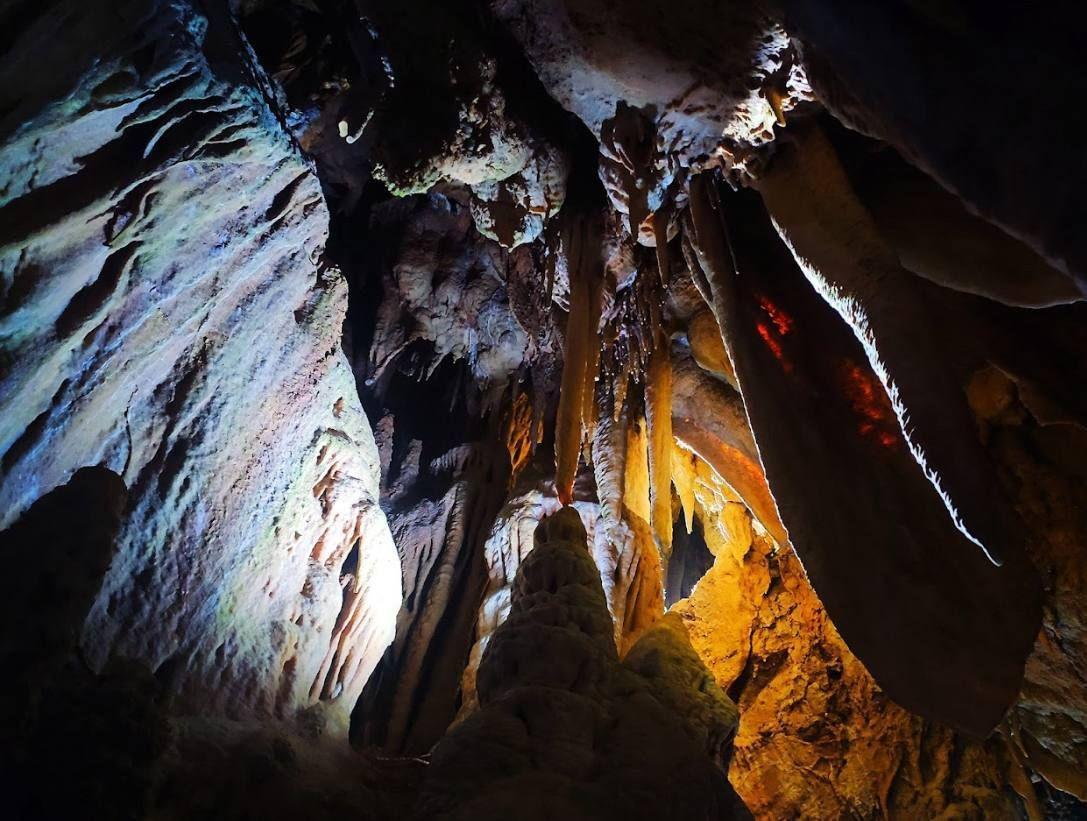
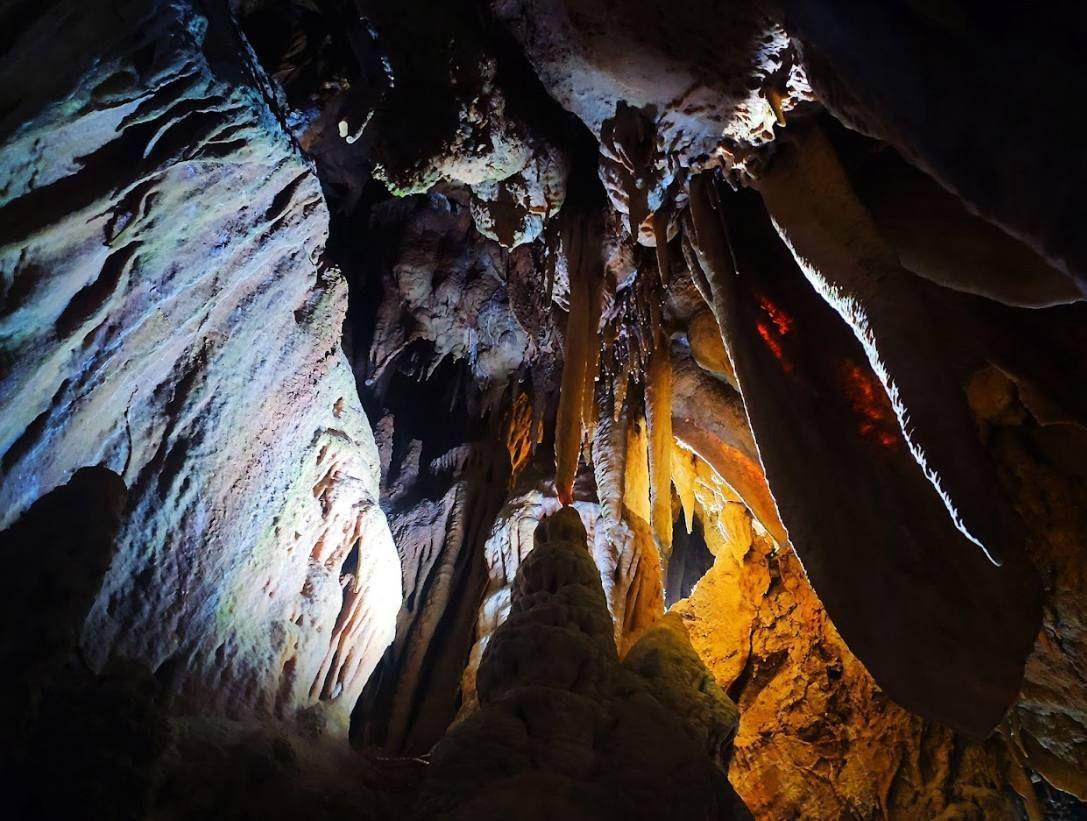
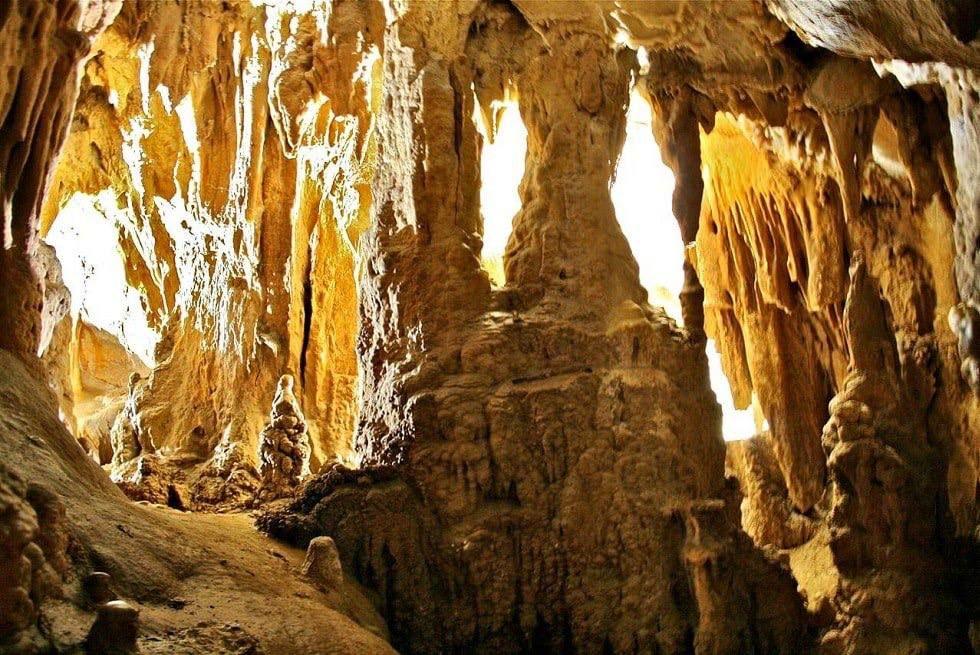
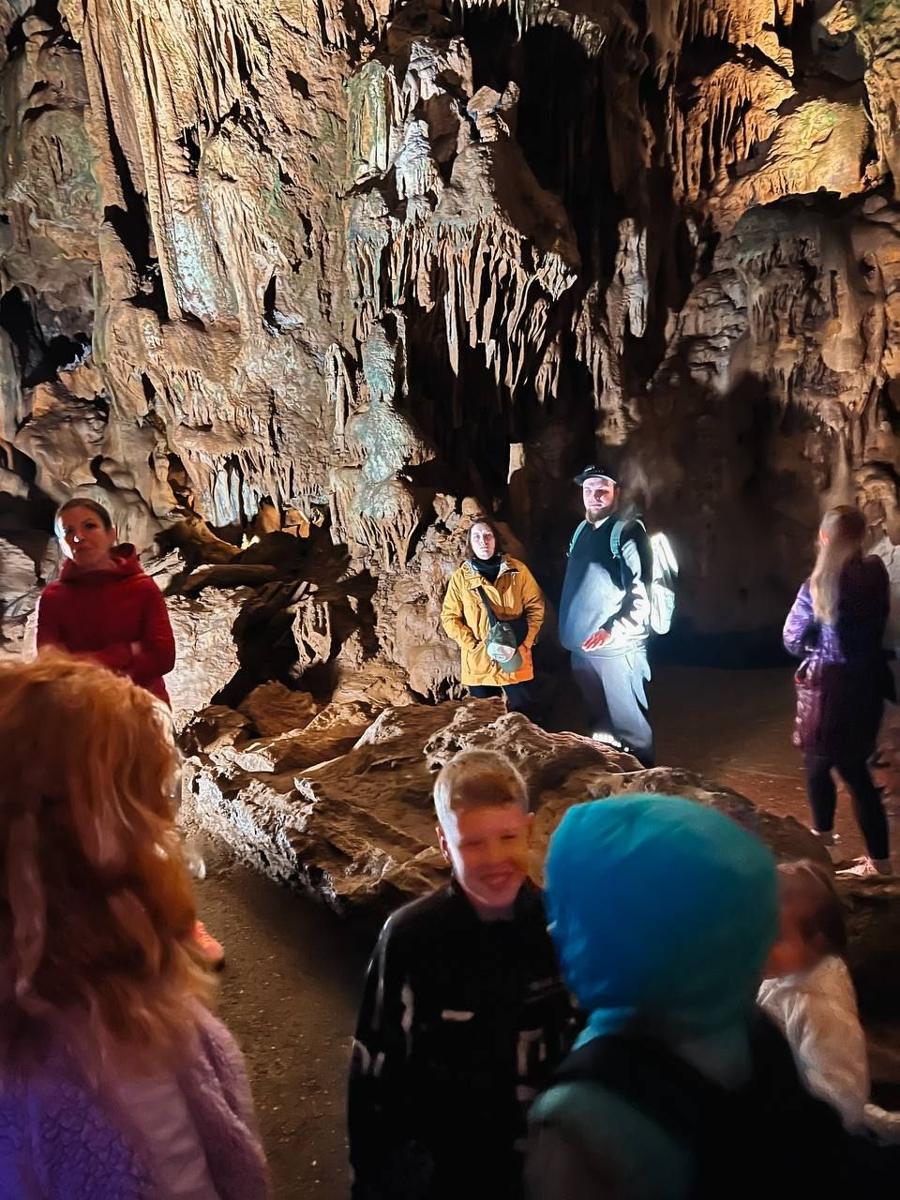
🕳️ Resava Cave (Serb. Resavska pećina) is an underground wonder of Serbia, one of the oldest and most beautiful caves, located 20 km from the town of Despotovac, in the limestone mountain of Babina Glava. Its age is estimated at 80 million years, and the formation of stalactites and stalagmites began about 45 million years ago.
📐Total length: 4.5 km
Explored: 2.83 km
Tourist route: 800 m
Air temperature: constantly around 7 °C
Humidity: 80–100%
Entrance altitude: 485 m above sea level
Year discovered: 1962 (open to tourists since 1972)
Opening hours: in summer from 8:00 to 18:30, in winter from 10:00 to 17:00
The cave has three levels, two of which are open to visitors. Some of the most interesting halls:
🏛️ The Hall of Fused Columns, where stalactites and stalagmites have merged into columns.
The Beehive Hall, a group of stalagmites resembling beehives.
🔮 The Crystal Hall with sparkling crystalline formations.
The Concert Hall, known for its acoustics.
And also Boban's Hall, the Coral Hall🪸, the Mud Hall: each with its own unique features
🌈 The colours of the walls and formations vary thanks to different minerals:
🔴 — iron oxide
⚪️ — crystallised calcium
🟡 — clay impurities
🧚🍀Many legends are linked to Resava Cave. One of them tells of a beautiful girl turned into stone. They say that if you kiss this stone, your cherished wish will surely come true .
And according to legend, before the Battle of Kosovo in 1389 the Serbs hid priceless treasures in the cave, which have still not been found.
A reminder: the temperature in the cave is about 7 degrees, so grab a hoodie and let's go be amazed. While we're here)
Published 13 May 2025 · Open the post in Telegram ↗
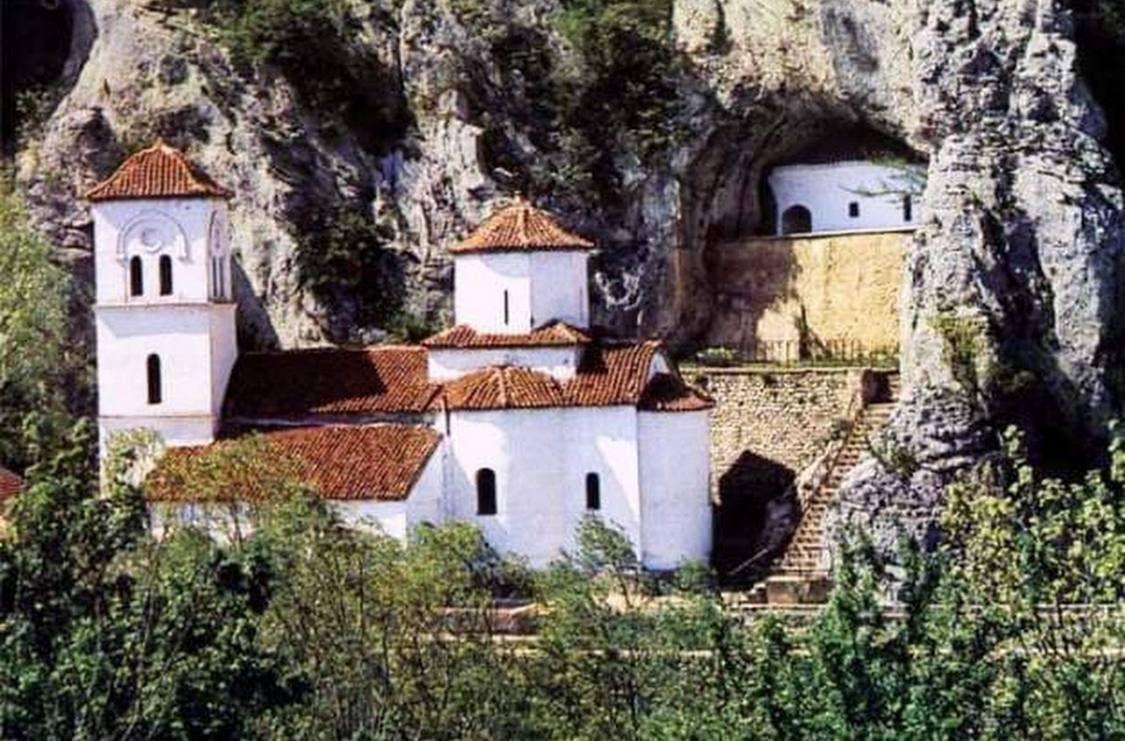
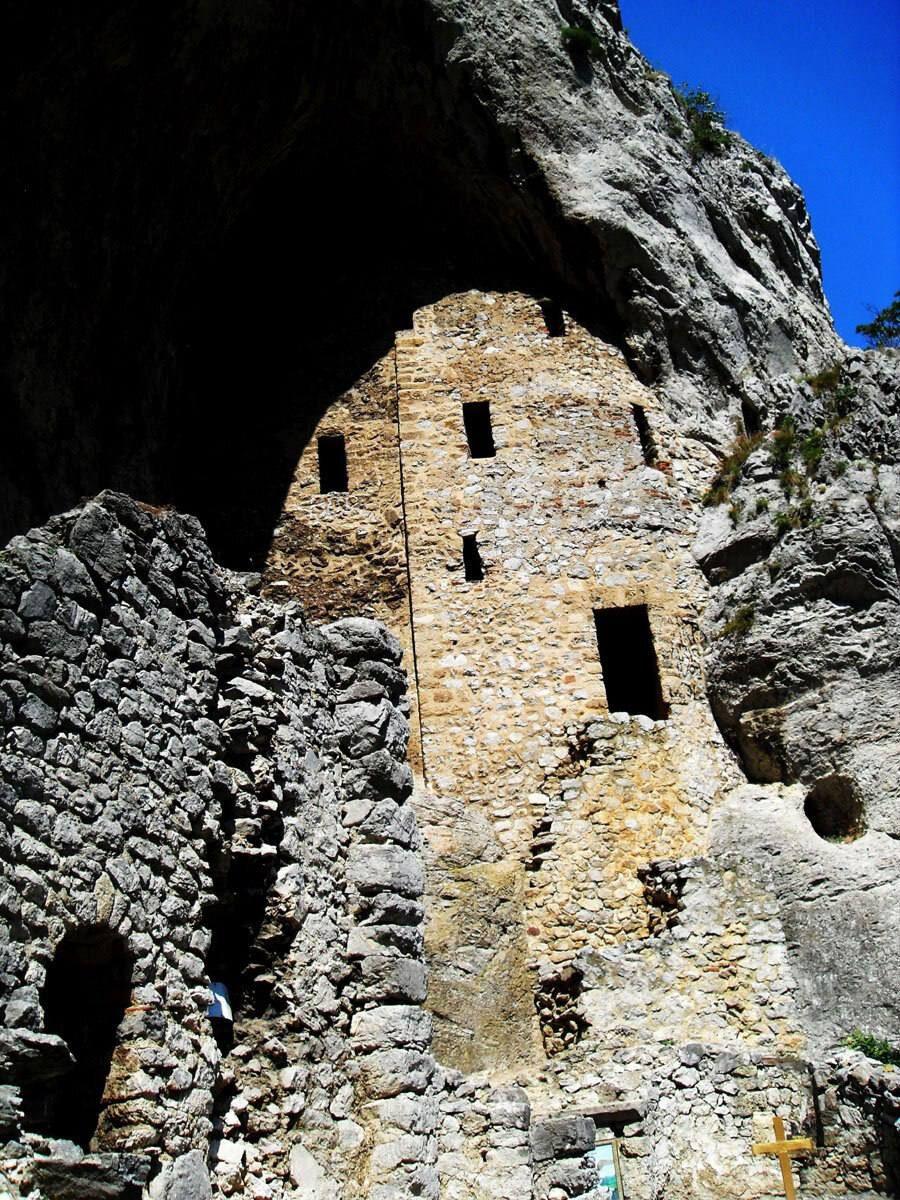
Blagoveštenje Monastery in the rock above the Mlava
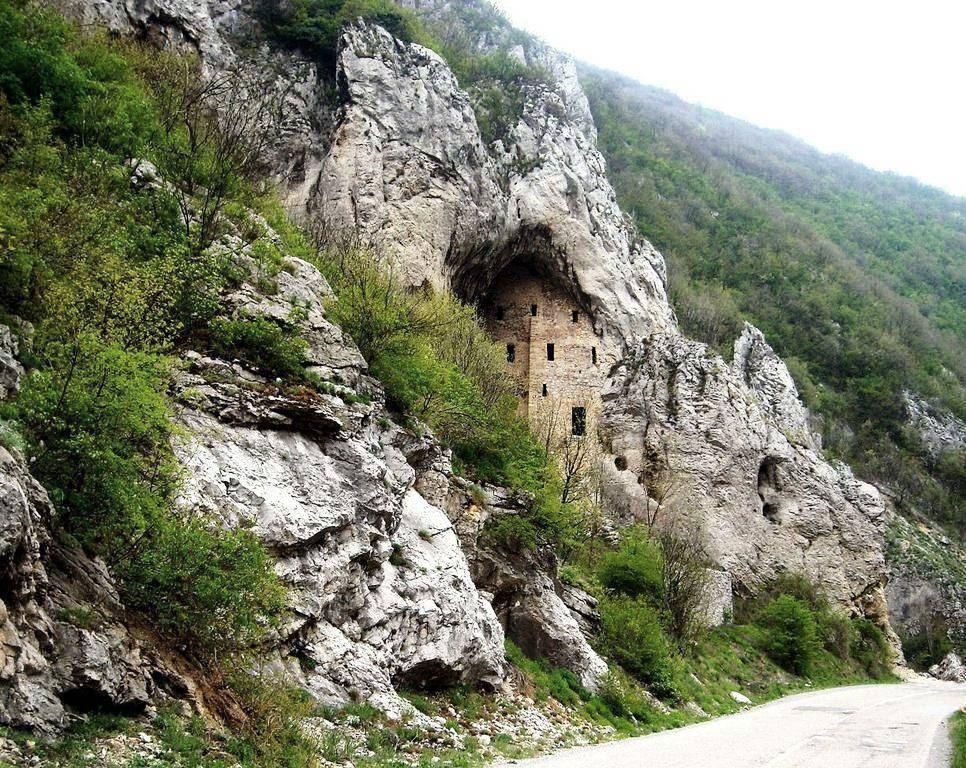
Picture this: the Serbian countryside, a road winding along a river… and suddenly, right in the rock, an ancient monastery that seems to have grown out of the stone. This is Blagoveštenje, one of the most unusual and mysterious monasteries in Eastern Serbia.
The monastery is hidden in the gorge of the Mlava River, not far from the village of Senjevo, and is literally "rooted" into a sheer rock face.
It was presumably founded in the 14th century, during the reign of Prince Lazar, the last independent prince of medieval Serbia.
The name translates as "Annunciation", and historians believe the monastery was part of a monastic network created for prayer and seclusion in the hard times of Ottoman rule. The monks' cells were carved straight into the rock, so they led a very ascetic life, completely detached from the world. But there was no time to get bored: they were busy with the most important work of the age, copying books and other church documents. Learned monks came from all over the world to visit, sharing knowledge and manuscripts.
The Vukan rock looms over the monastery, and to the south is the almost impregnable Ježevac mountain. When streams and rivers swelled in spring, the monastery was cut off from the world and unassailable for invaders. Even so, at the end of the 17th century the Ottoman army destroyed it, like many other Serbian monasteries of that time.
There is evidence that Partisans took shelter here during World War II.
Today the monastery is abandoned. There are no monks and no services. From the outside it seems that this place has barely been touched by time. Inside you can still see remnants of frescoes and elements of the original architecture. They say that local residents still come here to this day and hold services — you can tell by the leftover candles.
🔖 Save the location, and when you're craving peace and solitude, you'll know where to go
Published 14 May 2025 · Open the post in Telegram ↗
🌊 Krupajsko Vrelo — a Serbian fairy tale with a water spirit and trout 🧚♂️🐟
You thought only dusty villages and monasteries awaited you in Eastern Serbia. Not at all! Welcome to Krupajsko Vrelo — a natural anomaly where the water changes color, spirits dance in circles, and the trout is tastier than in any fancy restaurant.
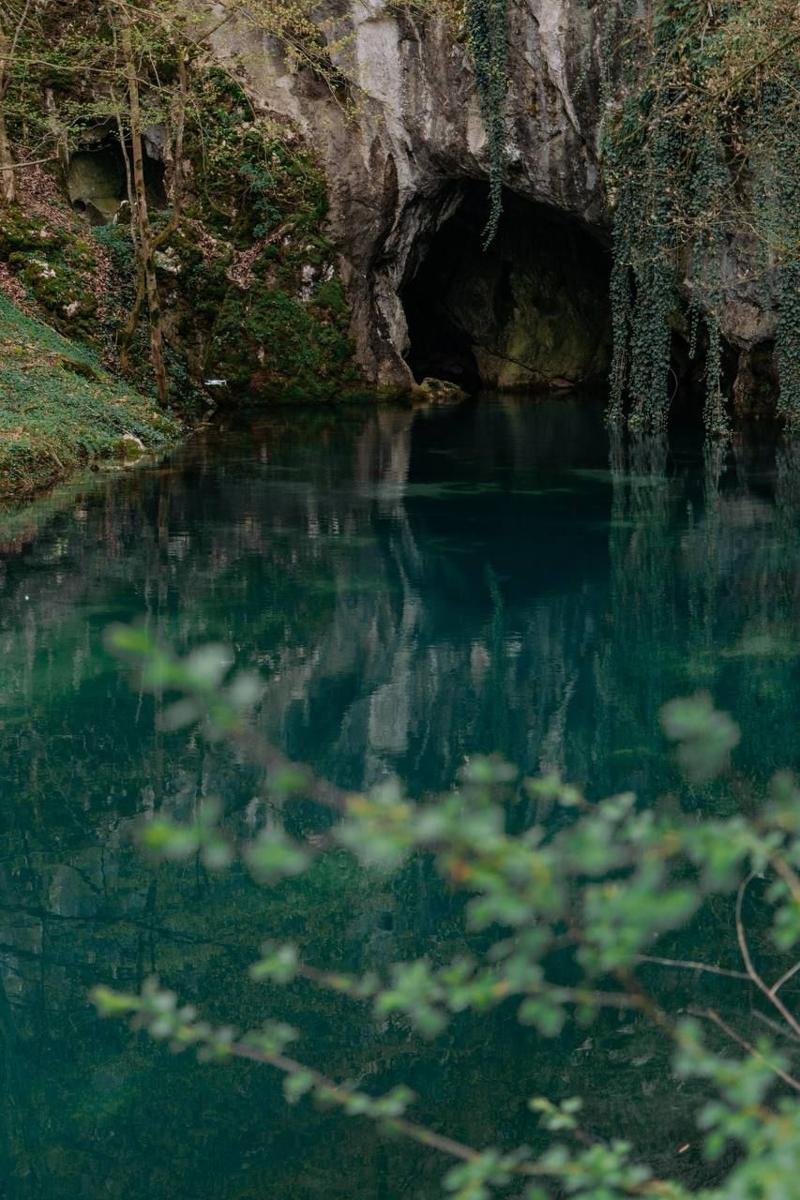
📍 At the foot of Mount Beljanica, between the villages of Milanovac and Krupaja, lies this unique karst spring. Entry and parking are free, and nearby there's a typical Serbian café, a trout farm, a paid beach and a crystal-clear lake in a color the Maldives would envy.
💧 So what exactly is Krupajsko Vrelo?
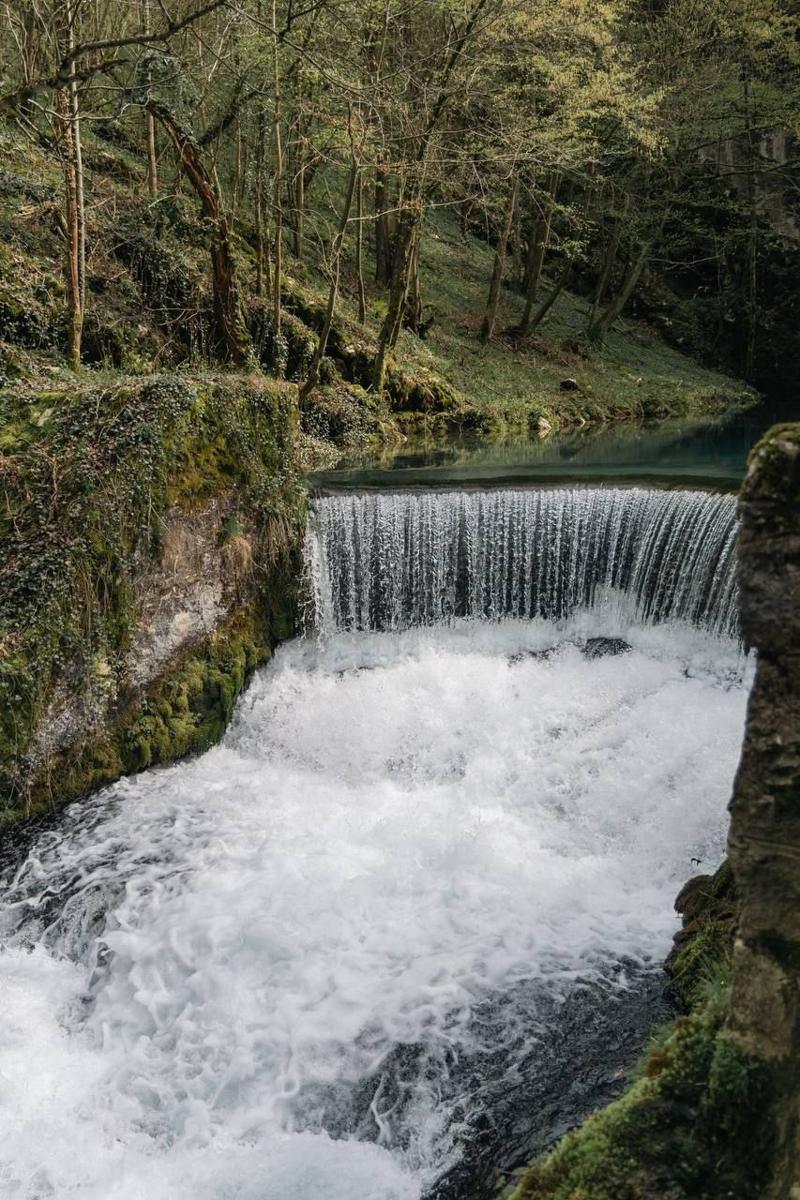
One of the most powerful karst springs in Serbia. The water bursts out of a cave in the rock, creating a small lake below it. From the lake the little Krupaja River flows out in a spectacular waterfall and then joins the Mlava. The shades of the water — from emerald to deep blue — change depending on the light. But the locals believe it's all about magic. The temperature is bracing: 9–11 °C.
🧜♂️ Legend has it… once upon a time the Homolje Mountains swallowed untold treasures. They say these are hidden in the Golden Cave, whose entrance is guarded by the spirit Tartor. Only once a year, on Devil's Day, to the sound of drums, he opens the way into the underworld. On that night the Vlach women, mysterious keepers of ancient magic, step into the water to gain strength, and the spirit demands a beautiful young girl as a sacrifice…
🤿 So what does Krupajsko Vrelo actually hide?
Beneath the surface of the lake is the entrance to a network of channels leading to an underwater cave. Divers from Belgrade have partially explored these channels and the underwater cave itself. During the dive, evidence of earlier human presence was found. Most likely the spring had been explored before by treasure hunters inspired by the many legends. According to the divers, who managed to descend to a depth of 123 meters (a national record) and get through a maze of underground branches, during the dive they came across a whole series of underwater channels leading to a huge, half-flooded cave. They didn't find any gold there, but only a small part has been explored. Who knows what's hiding deeper?
Next to the spring there are trout pools with fish from fry to adults — impossible to say how many there are, sooo many. Down below there's a restaurant where in season they cook that very pastrmka (trout) that was swimming around five minutes ago.
If you're going to fly a drone, be careful — we noticed strong interference, especially near the cave.
Krupajsko Vrelo is a place where nature, mysticism and gastronomy merge into the perfect day trip👍
📌 Save this if you want to know where the spirit Tartor lives and where to find the tastiest pastrmka in Serbia.
P.S. I'm getting you ready for the next photo walk) Announcement coming soon
Published 7 May 2025 · Open the post in Telegram ↗
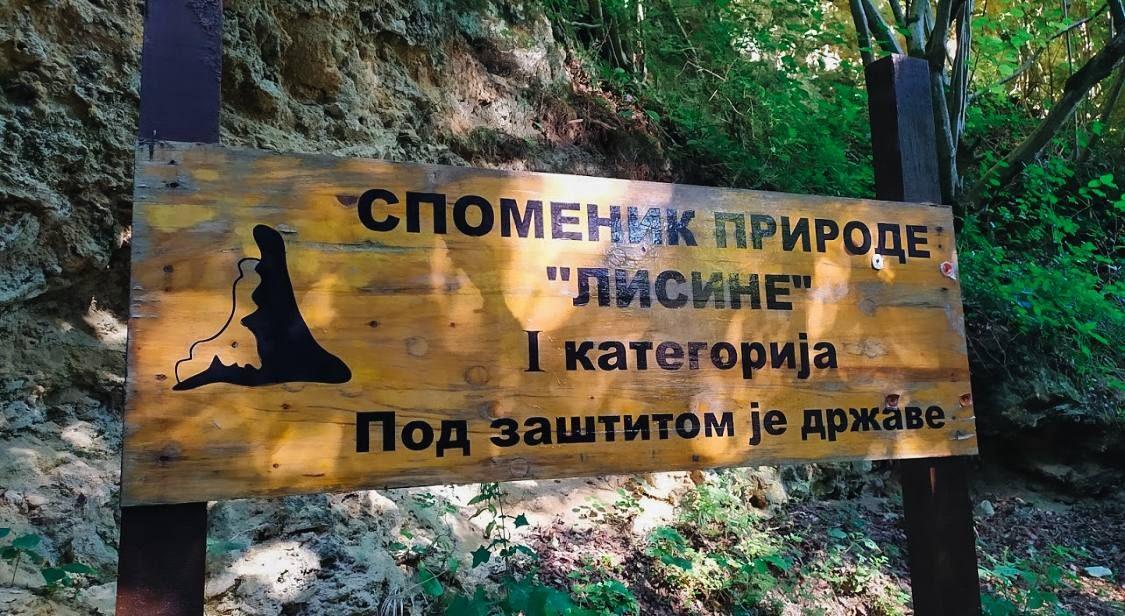
Lisine Waterfall on the slopes of Beljanica
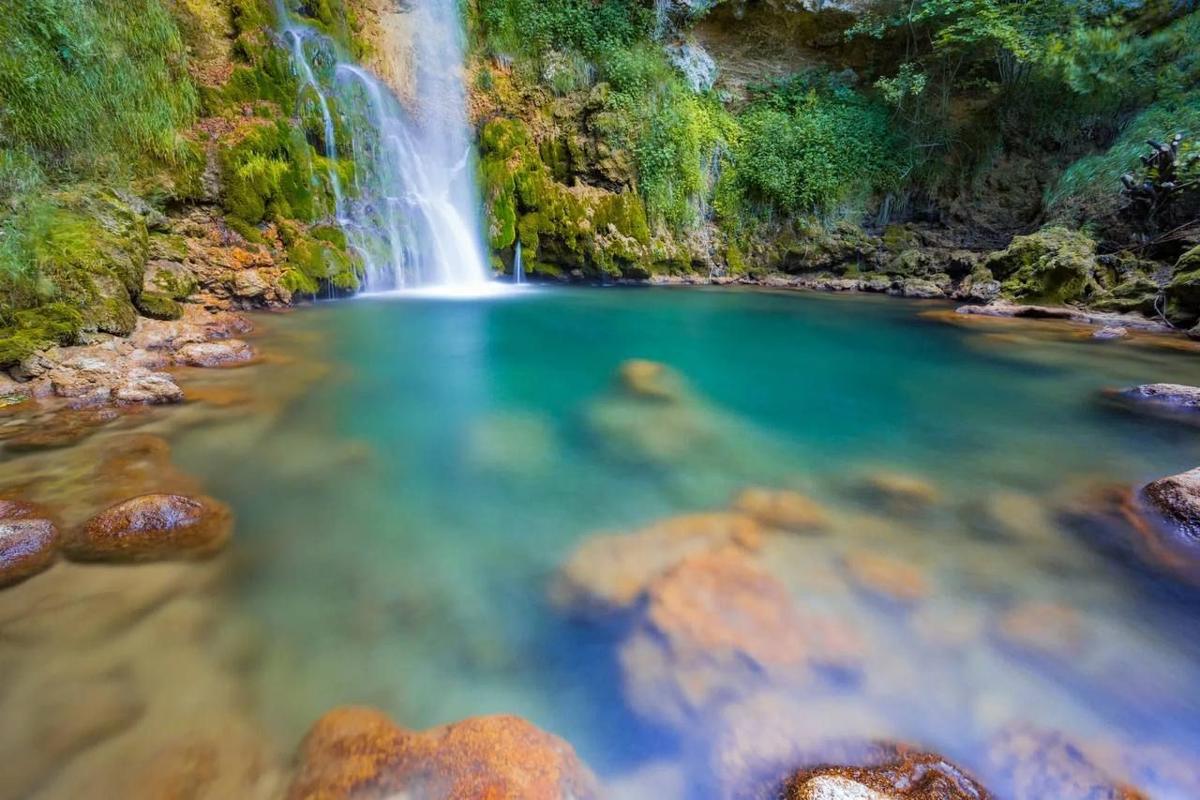
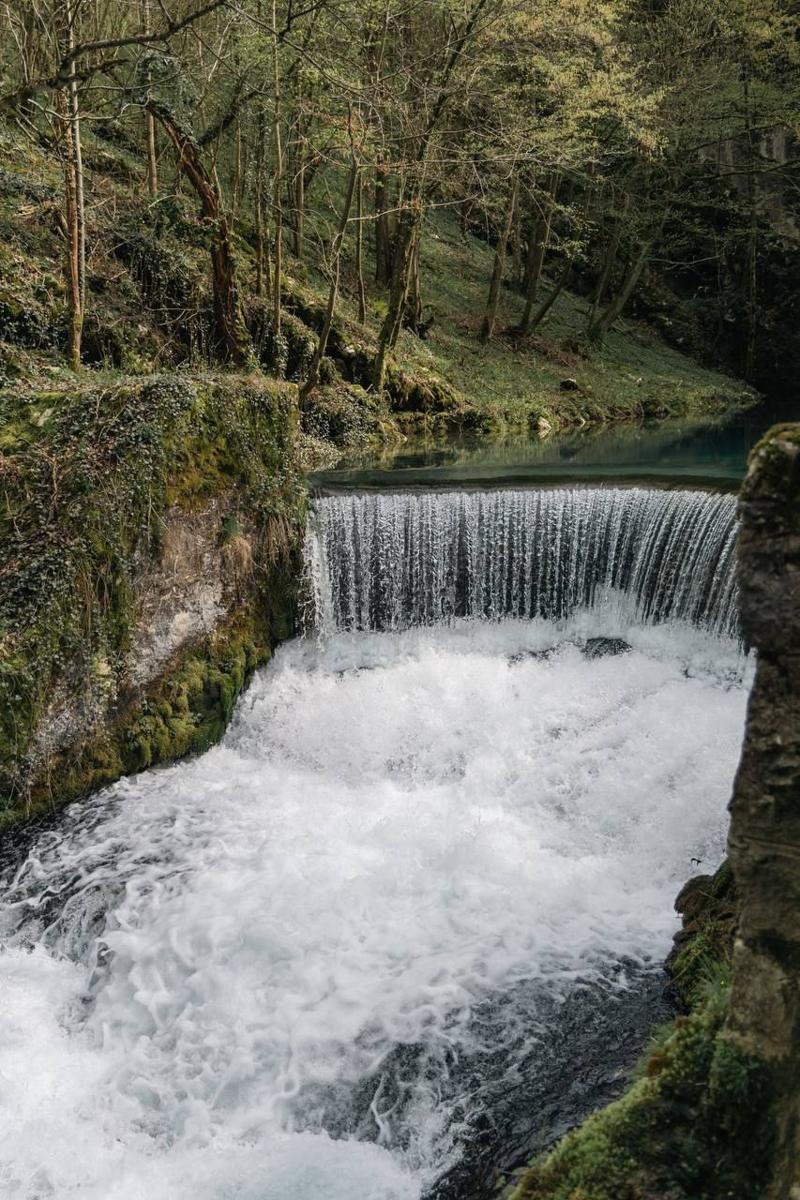
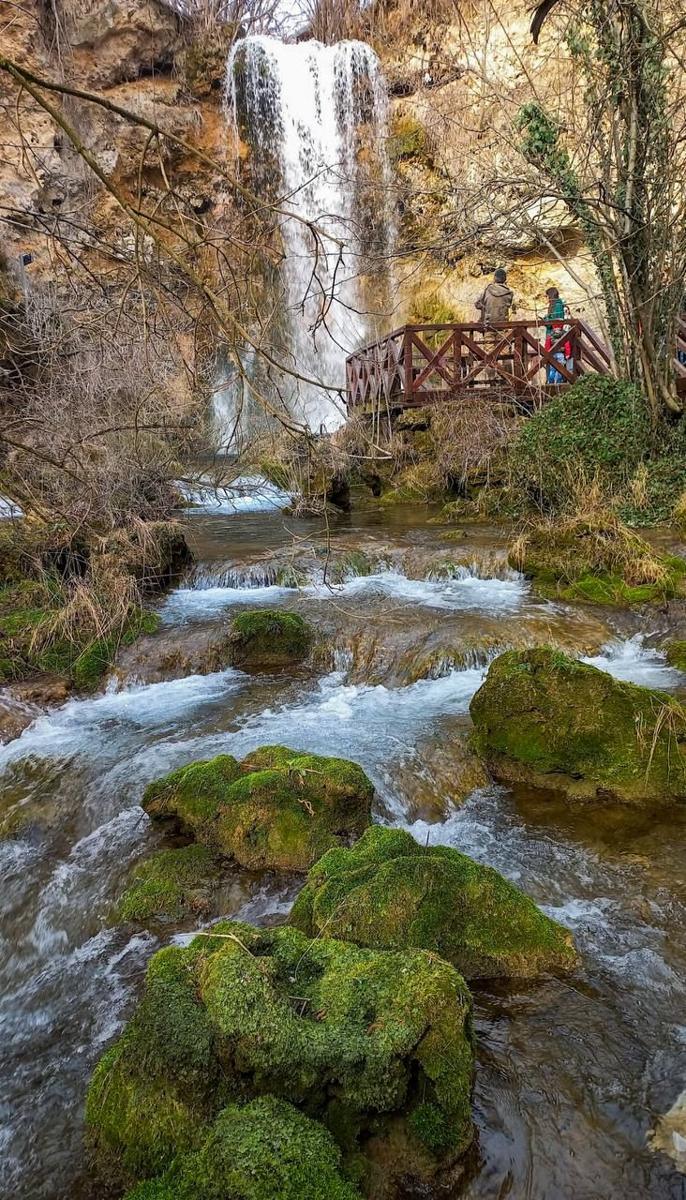
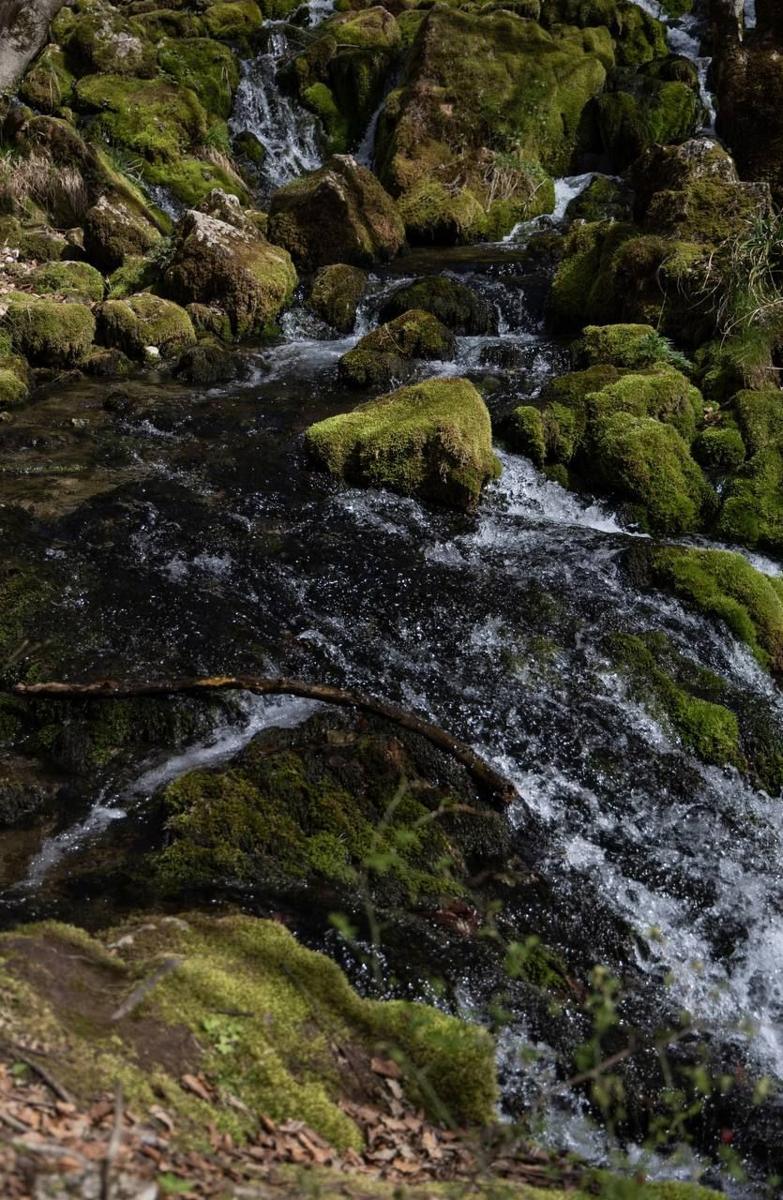
On the slopes of Mount Beljanica, just 20 minutes from Resava Cave, hides one of the most picturesque waterfalls in Serbia — Veliki Buk, or Lisine. It is also considered one of the tallest in the country, plunging from a height of 25 meters into an emerald-colored lake.
🌊 Veliki Buk is fed by the shortest river in Serbia — the Vrelo, which is only 365 meters long — exactly as many as there are days in a year. Locals even call it the “Year River”. Its water comes from a powerful karst spring in a cave beneath the cliffs of Mount Beljanica. This makes the waterfall unusually full even in the dry months.
But its main feature is its tufa nature.
Tufa is a porous rock that forms when calcium-rich mineral waters flow out to the surface and deposit limestone on contact with air. Over time this process creates terraces, walls and shapes that the water flows down.
Over the centuries, mineral-rich water has shaped the rocky bowl of the waterfall, “building” it out of tufa — layer by layer. This gives the waterfall an unusual texture, as if nature itself had sculpted it, while moss and lichen add a sense of blending into the forest.
According to legend, in ancient times a wise old man lived in these parts, whose tears turned into a powerful stream of water that formed Veliki Buk. Since then the waterfall has been considered a symbol of purity and strength of spirit.
🌿 Since 1995 Veliki Buk has been protected as a natural monument. Currently entry and parking are paid. As for things to do — a few restaurants with views, guesthouses, a trout farm and an old mill. In reviews, Serbs complain about the commercialization of this nature park.
I'm not sure it's worth coming just to see the waterfall, but as one of the stops on a route around Eastern Serbia — definitely yes. And it's not hot there in summer)
Published 15 May 2025 · Open the post in Telegram ↗
Gornjak Monastery in the Mlava river gorge
Let's keep exploring Eastern Serbia.
Gornjak Monastery (Serb. Manastir Gornjak) is a 14th-century Orthodox convent, located in the picturesque gorge of the Mlava River.
It was founded in 1378 by Prince Lazar Hrebeljanović and was originally called Ždrelo — after the gorge in which it stands. According to legend, while hunting, Prince Lazar met a hermit — Saint Gregory of Sinai. Impressed by his spiritual strength, the prince founded the monastery and appointed Gregory its first abbot .
In 1835 the Church of the Presentation of the Virgin was built on the site of the old 14th-century church. The church follows the traditions of the Morava school: three-aisled, single-domed, with galleries and a two-tier bell tower.
A special feature of the interior is an image of Christ the Good Shepherd carrying a man on his shoulders instead of the traditional lamb. A portrait of Prince Lazar has also survived in the monastery.
Near the monastery there are caves where, according to legend, Saint Gregory of Sinai lived; his relics rest in one of them.
🔥 Tested by time
Over the centuries the monastery was destroyed many times:
• In 1788 it was burned by the Turks.
• During World War I the monastery was plundered by Bulgarian troops.
• In World War II the Germans set the monastery on fire again, destroying many relics and documents, including charters of Prince Lazar and Patriarch Spiridon.
Only in 1953 did the restoration of the monastery begin under the guidance of Hieromonk Vasilije.
🌬 Gornjak Monastery became known from the 18th century. The name comes from the wind that blows between the sheer cliffs of the canyon where the monastery stands; locals call this wind "gornjak".
💧 The miraculous spring
Every year, on the night of 5 to 6 May, on the eve of the Đurđevdan holiday (St. George's Day), water begins to seep from the wall in front of Gornjak Monastery. According to legend, this water has healing properties and is especially effective for eye ailments. The water appears in drops resembling tears and disappears after the holiday. This phenomenon has been observed for many years and is considered a miracle among believers.
Despite raids and destruction, the monastery was always restored and reborn. And to this day it continues its spiritual mission, keeping an unbroken connection with a thousand-year history and traditions.
Literally two minutes away is the abandoned Blagoveštenje Monastery.
Published 16 May 2025 · Open the post in Telegram ↗
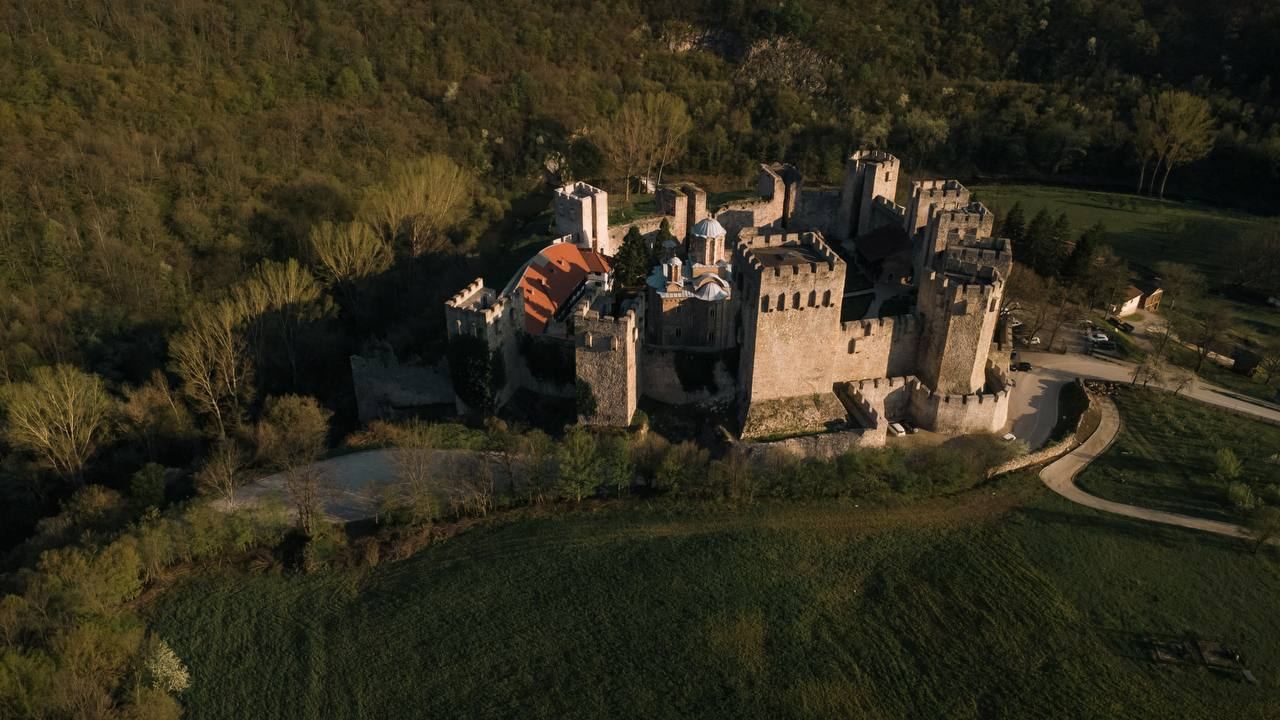
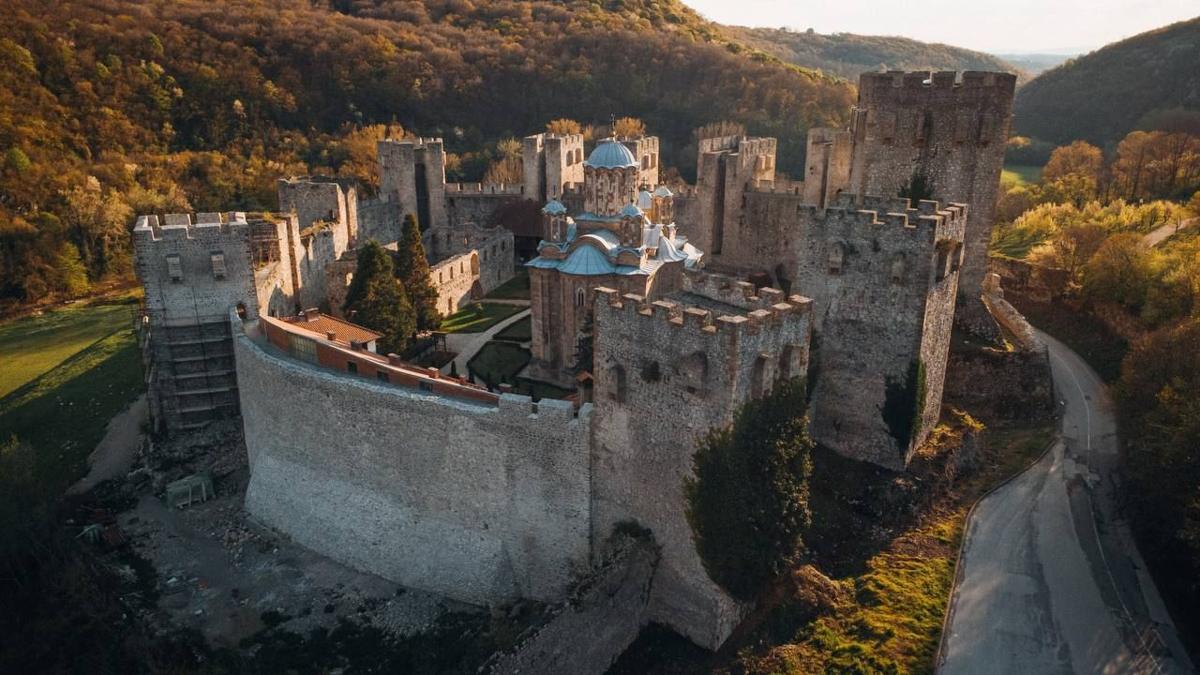
Manasija — the fortress monastery of Despot Stefan
I'm wrapping up my series of posts about Eastern Serbia — and it's probably no coincidence that it ends with Manasija. This monastery is not just an architectural monument. It's a living legend hidden behind fortress walls.
🏰 Manasija — a fortress of faith
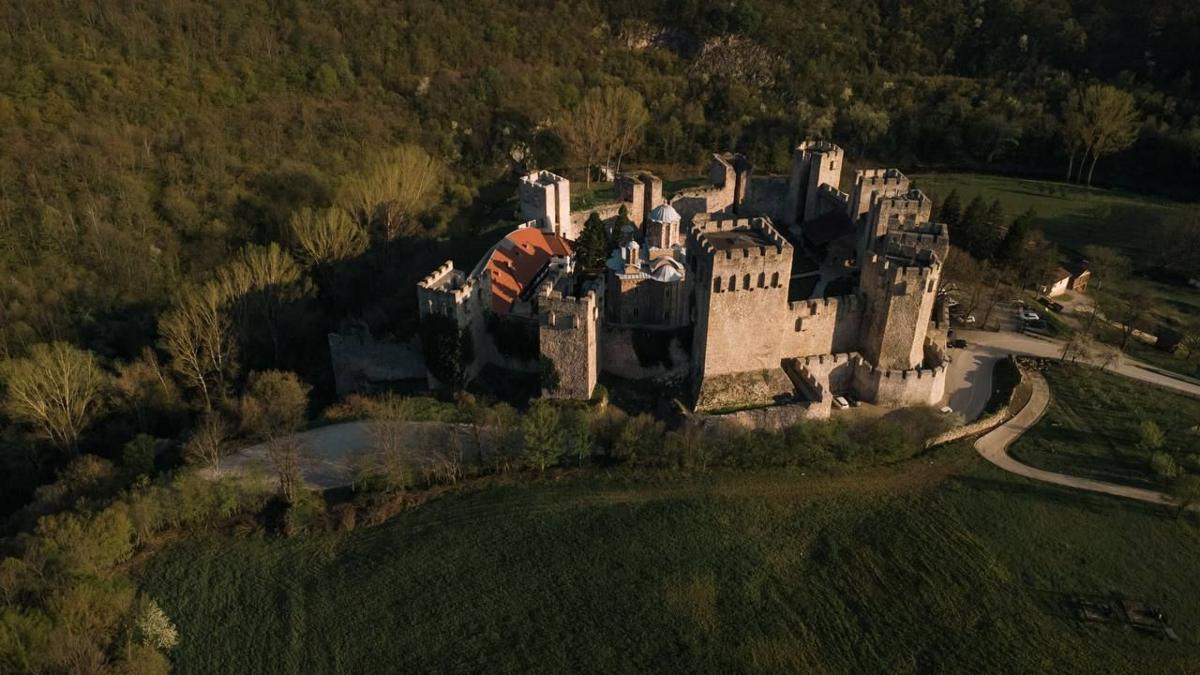
One of the rare examples of a fortified medieval monastery in Serbia.
It is surrounded by a massive fortress wall with 11 towers, the most famous of which is the Watchman's Tower (Kula Stražara). This defense system was built to protect against Ottoman raids and made the monastery an important strategic point.
✍️ The Resava School
The monastery was home to one of the largest centers for copying and translating books — the Resava School.
Here monks not only preserved ancient texts but also created new ones. It's thanks to their work that Serbian literature, theology and language survived even in the darkest times.
⚔️ Despot and knight
The founder of Manasija is Stefan Lazarević, son of Prince Lazar.
He was not only a ruler but also one of the first knights of the Order of the Dragon — a secret European brotherhood created to fight the Ottoman Empire. Manasija became his spiritual legacy and his resting place.
🎨 Frescoes
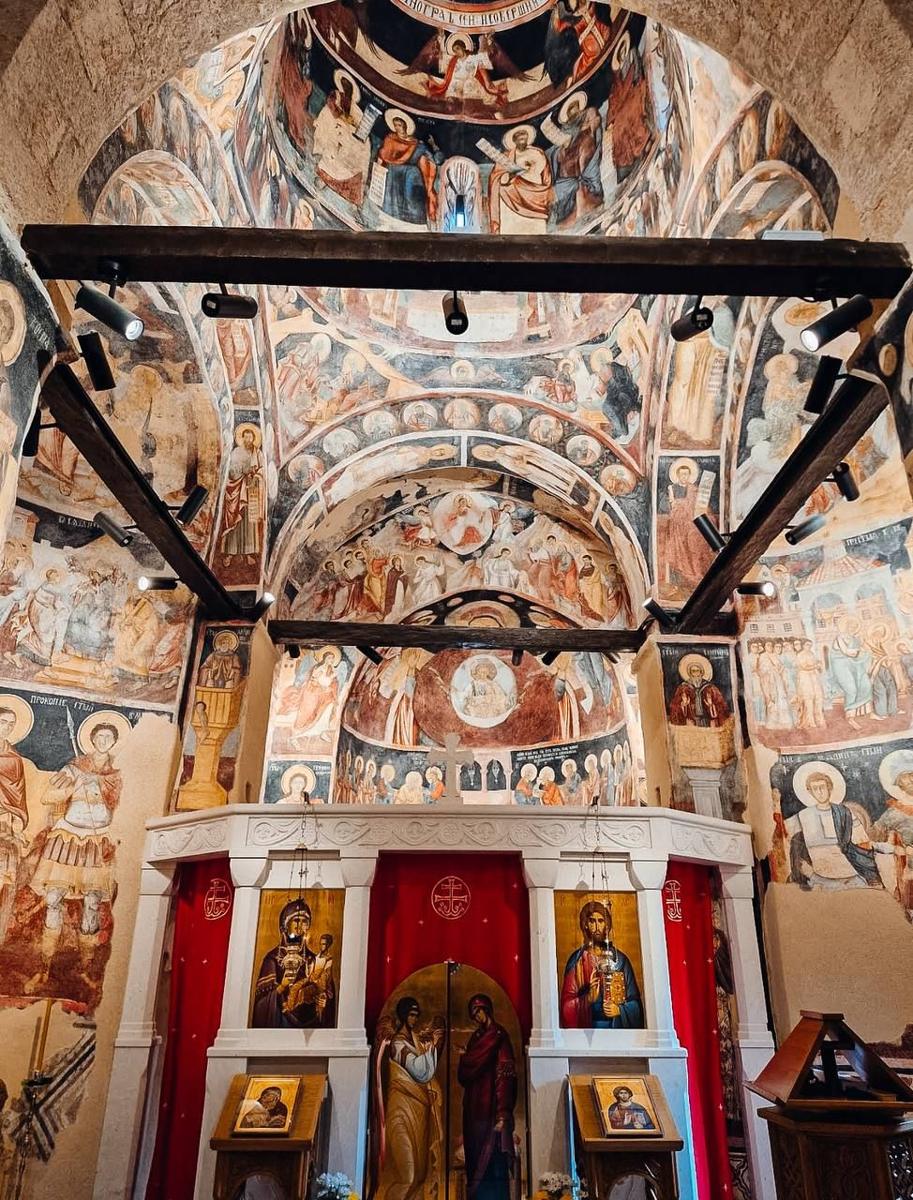
Inside the church are some of the finest examples of Byzantine painting in the Balkans.
The fresco of the Holy Warriors draws special attention: stern, composed figures in armor. They seem to stand guard not only over the church but over the spirit of the nation.
🕯 The monastery that stood firm
Despite sieges, fires and centuries of Ottoman rule, monastic life at Manasija never completely stopped. Even in the hardest years, people kept praying here.
🌫 Over its long existence Manasija has gathered many legends. Here are just a few of them:
🕳 The secret passage
They say an underground passage to the Resava River is hidden beneath the monastery. The monks supposedly used it during sieges. Where it begins — nobody knows.
🕯 The invisible prayer
Sometimes at night, especially on the eve of church holidays, locals hear bells ringing. But no one has touched them. They say it's the souls of monks who still pray for their land.
🖼️ The fresco that comes alive
One of the warriors on the church wall seems to come alive when sunlight falls on him. According to legend, it's Stefan Lazarević himself — returned to guard his creation.
🌘 The Tower of Silence
One of the towers is always closed. Rumor has it that it holds manuscripts that must not be opened. No monk will tell you what's inside.
Manasija is a time machine that will take you back to the Middle Ages. It's living history. The scale of its fortress wall is simply breathtaking. A must-see. While we're here)
📍Save the location
Published 16 May 2025 · Open the post in Telegram ↗
We did it: 3 monasteries, a waterfall, a cave and a magical spring in 1 day!
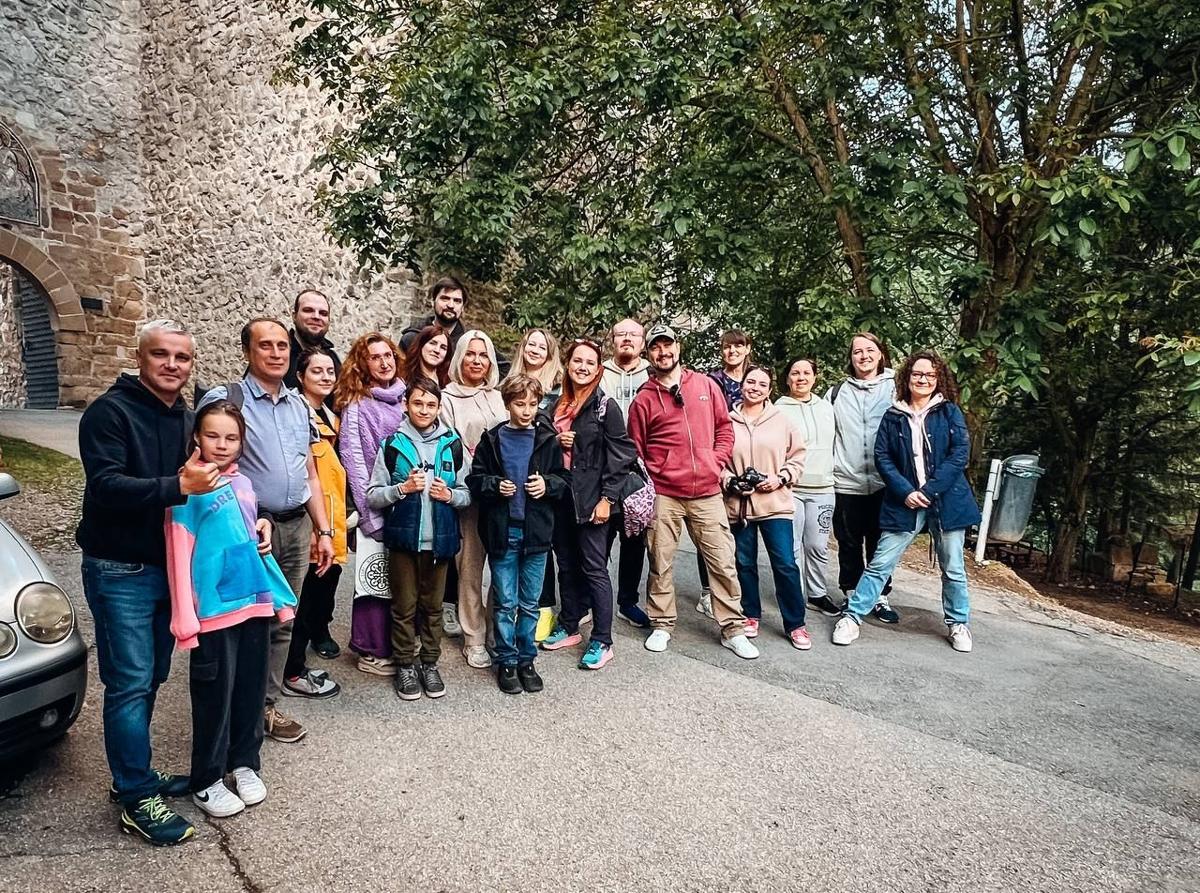
27 brave souls, not without the help of Dramamine, completed the whole route from start to finish! And even the rain couldn't stop us. Prince Lazar's Blagoveštenje at the start of the route and Manasija, built by his son, made a perfect finale. We question the height of the Lisine waterfall — there's no way it's 25 meters! On the other hand, Resava Cave turned out to be far more interesting than we expected, as if we'd stepped onto the set of a fantasy movie!
We're heading back tired, I really hope happy, and definitely with loads of impressions and gigabytes of photos!
We can safely say Eastern Serbia has been conquered!
A gorgeous sunset was the proof! Thank you all for your trust and wonderful company, it's a pity there was so little time to chat🫶🏻 All that's left is to share your photos and impressions right here
Published 17 May 2025 · Open the post in Telegram ↗
Will you join us next time?
Announcements of hikes and trips, the weekly what's on and new places appear in the channel first.
Where else to go