Ivandan — the Serbian Ivan Kupala
We waited so long for summer, and the first half of June has already flown by🙈. Ivan Kupala Day is coming soon. I decided to find out whether this holiday is celebrated in Serbia.
So, in Serbia the holiday similar to Ivan Kupala is called Ivandan (Ivanjdan) — it's the feast of the Nativity of John the Baptist, celebrated on July 7 (June 24 in the Julian calendar). Although it's tied to the Christian calendar, folk tradition has preserved many pre-Christian, pagan elements similar to the East Slavic Ivan Kupala rites.
Here's how Ivandan is celebrated in Serbia:
🌿 On the morning of Ivandan, girls and women gather herbs and flowers, believing they hold special healing power on this day.
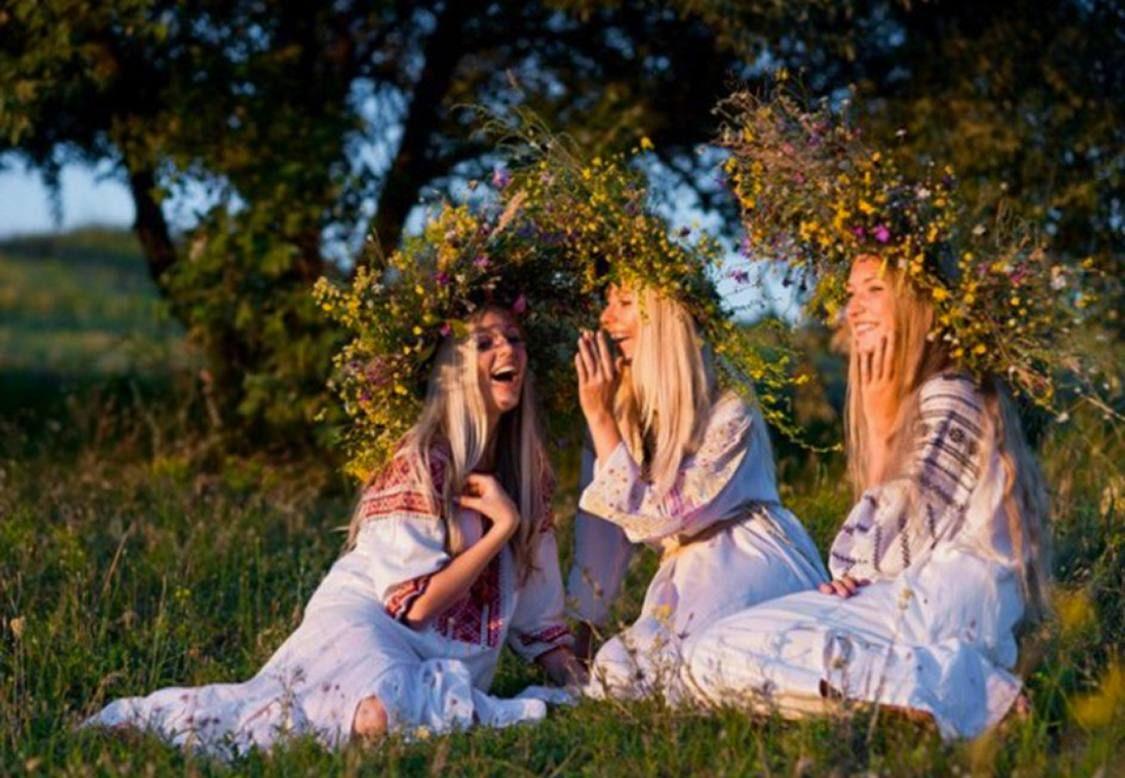
Wreaths are often woven, just like on Kupala, sometimes with fortune-telling.
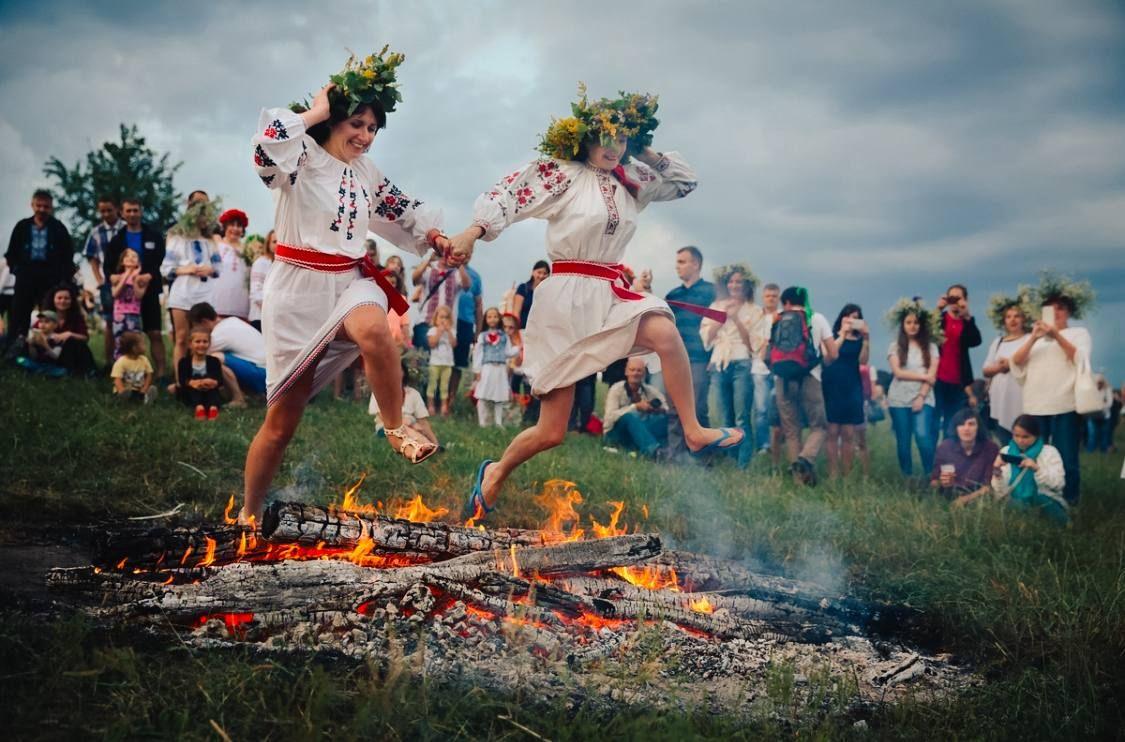
🕯️In some areas (especially rural ones) the tradition of lighting bonfires lives on. Young people jump over the fire — similar to the Slavic Kupala purification ritual.
Fire symbolizes the sun, purification and protection from evil forces.
💃 Folk songs are sung, there are round dances (kolo) and merry festivities.
🔮Girls may tell fortunes about their future husband by throwing wreaths into the water or putting them under their pillow, which echoes the East Slavic Kupala rites.
The religious side:
Ivandan is an Orthodox holiday dedicated to John the Baptist, who is deeply revered in Serbia.
There are church services, processions and the blessing of water.
Many families celebrate their slava (the family patron saint's feast) on this day, especially if John the Baptist is their patron saint.
🌿In Serbian folklore, Ivandan was considered a time of special natural power, a transitional moment when «the gates open» between worlds.
It was believed that on this night «everything grows faster», «herbs talk», and water and fire have healing power.
If you compare them, the Russian Ivan Kupala Day turns out to be a more "wild" and romantic holiday. In the Serbian tradition everything is a bit more reserved.
Published June 16, 2025 · Open post in Telegram ↗
☀️ The summer solstice is tomorrow!
In 2025 the astronomical summer solstice in Serbia falls on June 21 at 04:42 Belgrade time. It will be the longest day of the year.
Despite its natural significance, this day is not an official holiday. Calendars simply mark it as June Solstice (21 June).
🔥 Balkan traditions and rituals on the solstice
"When the sun dances…" — that's what the Balkans call the sunrise on the day of the solstice.
According to an old belief, at the moment when light finally defeats darkness, the sun freezes in the sky for an instant and begins to "dance" — rejoicing in its victory over cold, darkness and death.
Whoever sees this dance at dawn will be protected by the sun and happy all year.
This image goes back to ancient Slavic beliefs, where the sun is a spiritual force, a living being battling darkness every day. On the solstice its power reaches its peak.
🌍 How the solstice is celebrated in the Balkan countries
🇷🇸 Serbia
The Ivandan holiday (7 July) keeps elements of pre-Christian rites: weaving wreaths, washing with dew, jumping over bonfires. Although it's a church holiday, its folk roots are clearly visible.
🇧🇦 Bosnia and Herzegovina
In Orthodox and Catholic villages the rites live on: people light bonfires, tell fortunes, sing folk songs, and girls float wreaths on the water.
🇭🇷 Croatia
Especially in Zagorje, there are fire processions, folk dances and rituals that bring villages together on a summer night.
🇲🇪 Montenegro
In the Dinaric hills and in Herzegovina, the traditional oro dance (from «orao» — eagle) is performed. The dance symbolises ascent, freedom and the cycle of life. It's performed at July festivals, to the sound of the gusle and around evening bonfires. These traditions are especially alive in rural areas.
🇷🇴 Romania (last photo)
The night of Sânziene (24 June) is a time of forest nymphs and magic. Girls weave wreaths, wash with dew and jump over bonfires to attract health and love. As in the Balkans, pagan motifs here are intertwined with Christian symbolism.
So, in the Balkans it's believed that at the moment of the solstice the sun «dances» on the horizon.
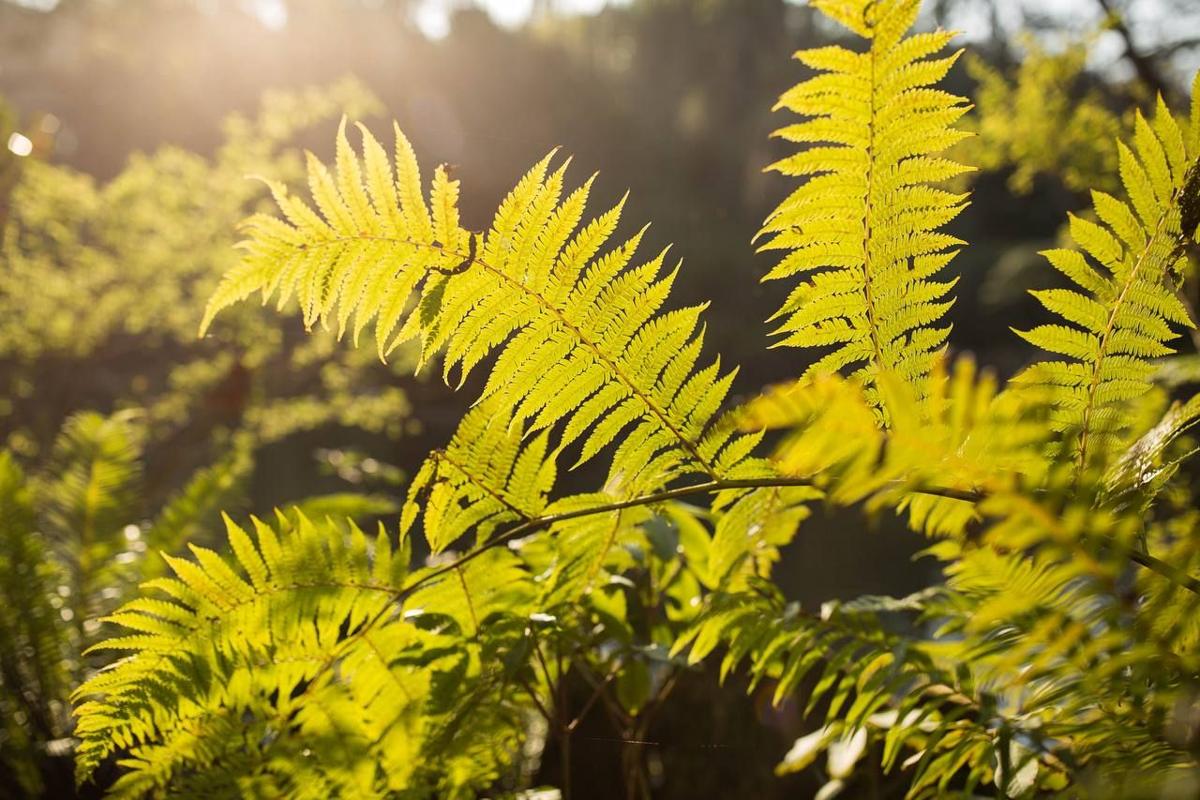
On this night the fern blooms, and whoever finds it will gain happiness and wealth.
Bonfires symbolise purification, protection from evil spirits, and the transition to a new life cycle.
And most importantly, on the night of the solstice «the sky opens», and all wishes made with a pure heart are sure to come true.
🌿 Well! Who could sleep at a time like this! On a night like this there's no option but to greet the sunrise, wash with dew and make wishes.
Here you can read about the Serbian counterpart of Ivan Kupala — Ivandan
Published June 20, 2025 · Open post in Telegram ↗
🌄 Vidovdan is coming!
On June 28 Serbs celebrate one of the most significant holidays of their culture — Vidovdan. It brings together history, Orthodoxy and ancient pagan heritage.
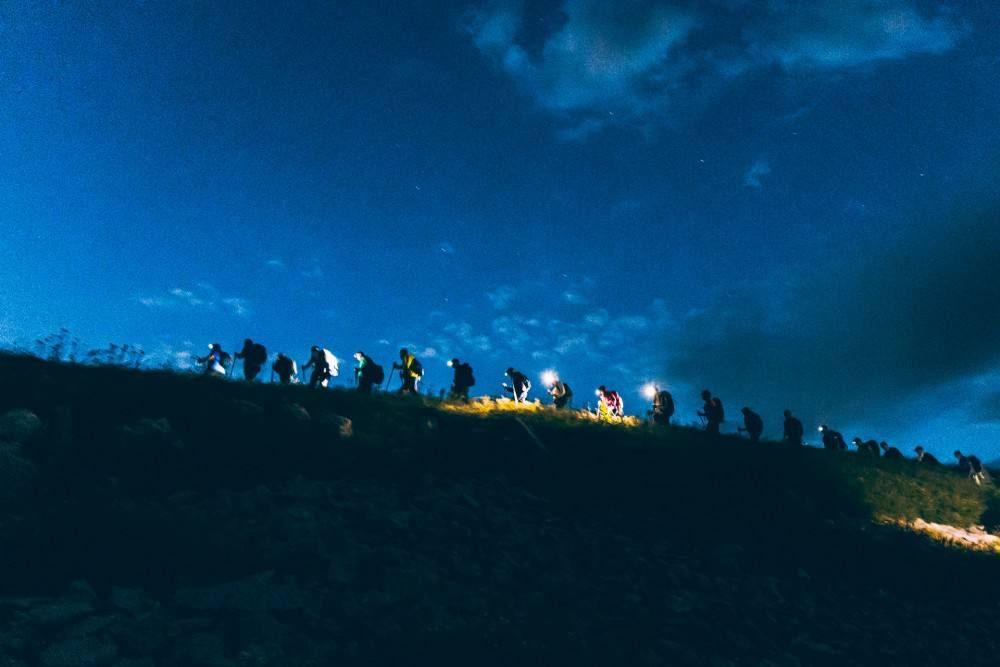
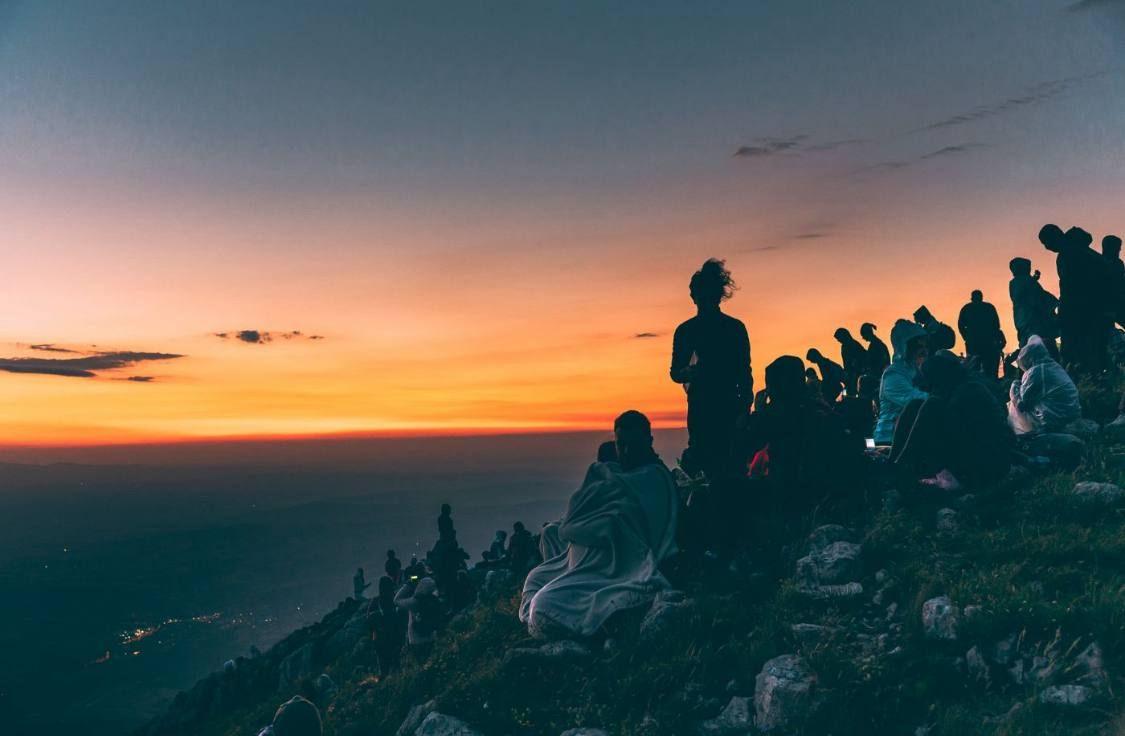
On this night, for the 23rd time, there will be a mass night ascent of Mount Rtanj — the mystical "pyramid of the Balkans", where people greet the sunrise at the Šiljak summit. Hundreds, sometimes thousands of people climb it — each for their own reason.
Let's figure out what Vidovdan is.
The holiday is linked to the Battle of Kosovo (1389), where the Serbian army led by Prince Lazar fought the Ottoman Empire. Although the battle ended in defeat, it became a symbol of sacrifice, courage and the struggle for freedom. Prince Lazar is venerated as a saint, and on this day all the fallen heroes are remembered.
But the holiday also has older roots:
Svetovid (or Vid) is the Slavic god of the sun, light, prophecy and fate. In pre-Christian times this day was considered a time of visions, fortune-telling and connection with higher powers.
It was believed that on the night before Vidovdan you could have prophetic dreams, and in the morning sense your destiny.
🗻 So why do people climb Rtanj on this very day/night?
🔹 1. A place of energy
Mount Rtanj is called a place of power: its shape resembles a pyramid, and local legends speak of ancient knowledge, portals and a special energy. On Vidovdan, when the boundary between worlds is thin, people want to be there — for inspiration, healing, insight.
🔹 2. A sanctuary of Svetovid
It's believed that in ancient times rituals in honor of the gods were held on mountain tops. Climbing Rtanj is like returning to the source, a pilgrimage to an ancient sanctuary.
🔹 3. Personal challenge
The ascent symbolizes purification of spirit and body, overcoming yourself, the search for truth.
🔹 4. A modern tradition
In the 2000s a community of esoterics, researchers, hikers and spiritual seekers formed, for whom Rtanj on Vidovdan is like Mount Athos or Stonehenge. Some come to meditate, others for inspiration, and others simply to feel something bigger than everyday reality.
🚶 How to take part?
🔸 You can go on your own — the route from the village of Rtanj is well known.
🔸 Or join the organized ascent "VIDOVDANSKI NOĆNI USPON NA RTANJ", held this year for the 23rd time.
Organizer: Hiking club "Šiljak"
Start: the village of Rtanj (~610 m above sea level)
Distance: ~14.2 km, ascent — about 4 hours
Summit height: 1560 m
Participation fee — 2900 RSD
Included:
transfer by tourist bus from Belgrade,
a licensed guide
Not included:
food and drinks
surcharge for departure from Novi Sad: 1500 RSD
📞 You can sign up by phone or on the organizers' website:
063/174‑6866, 060/446‑9194
The ascent schedule is in the comments / on the club's website
And remember:
The main thing is to reach the summit before dawn, so you can:
greet the sun in silence,
make a wish,
pray or simply be alone with the sky.
On this night Rtanj glows — with power and with the hikers' flashlights.
If you've long wanted to go to Rtanj, there's no better time!
This is the Balkans, baby!
Published June 25, 2025 · Open post in Telegram ↗
Božić: burning the badnjak on Divčibare
🎄 What is Božić
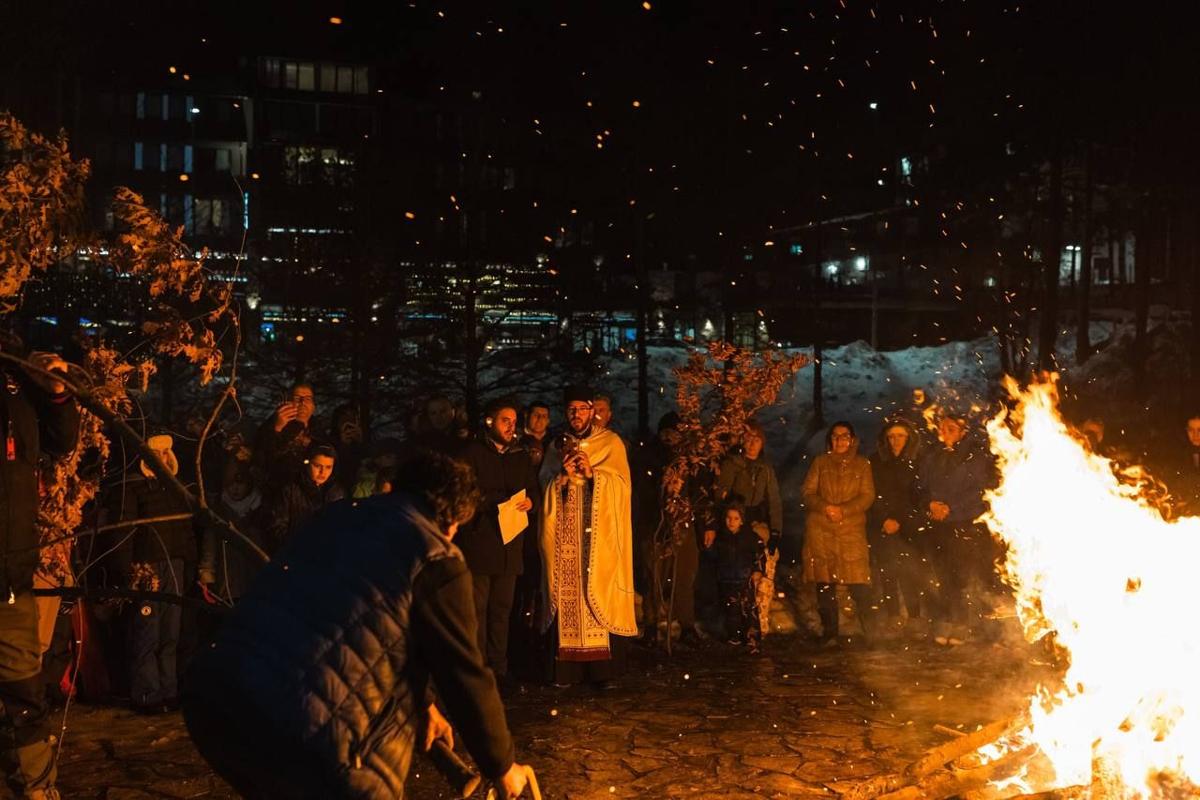
Last year on January 6 we came to Divčibare to ski, and by chance found ourselves at the very heart of the tradition — the burning of the badnjak, oak branches that symbolize Serbian Christmas. 🔥
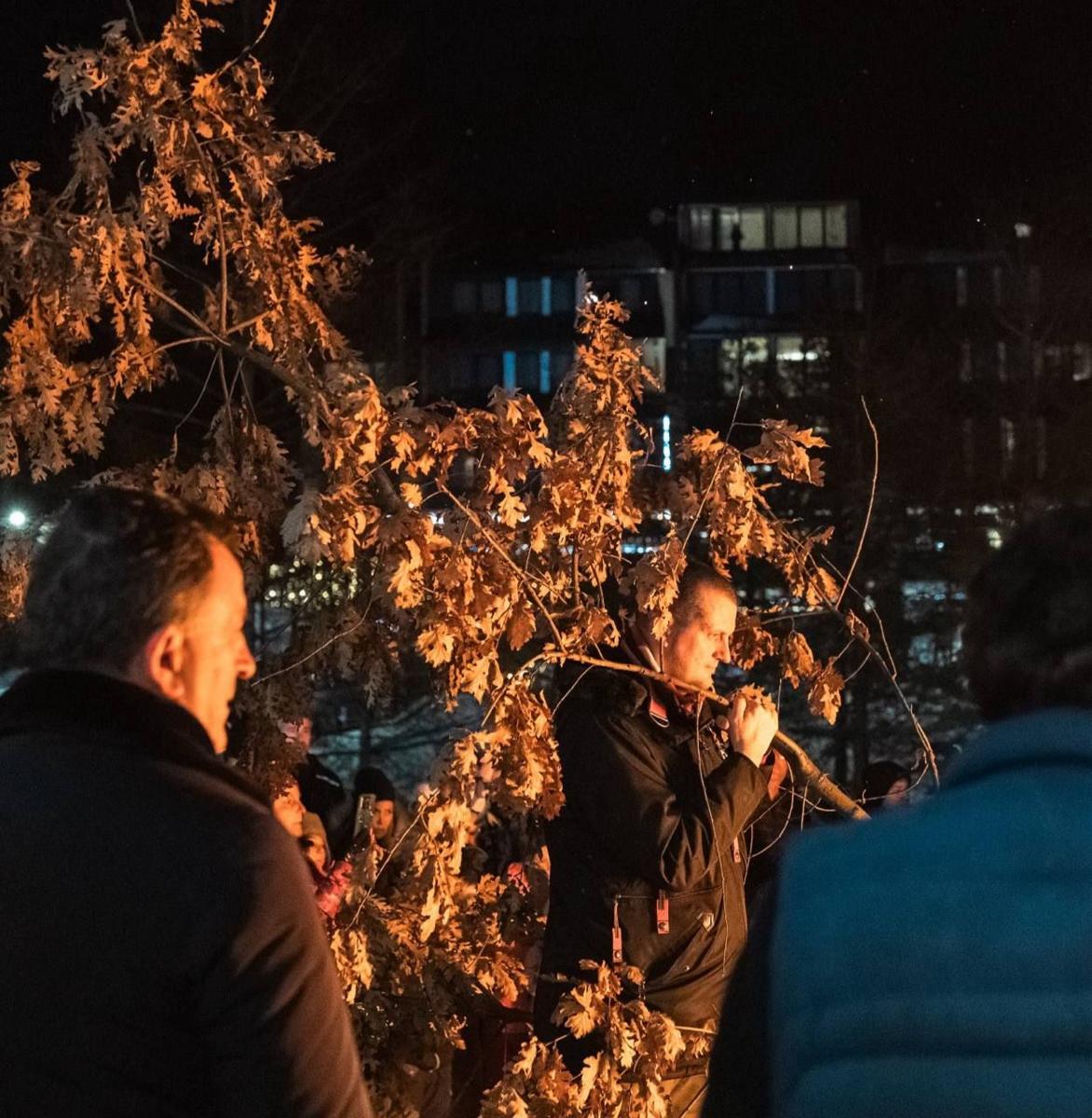
It was incredibly warm and soulful, like family: together with the locals we spent several hours by the fire that lit up everything around. It all started with a church service, and then a procession — led by the local mayor, who carried one of the biggest branches — slowly moved toward the bonfire. People sang songs, brought their own little branches, and this simple ritual carried a feeling of real unity and togetherness. It wasn't as large-scale as at the Church of Saint Sava in Belgrade, where the ceremony is huge and public, but different — more intimate and heartfelt. It all ended with fireworks and a performance by a local band.
This year we really wanted to repeat it, but the weather had other plans ❄️
I'll leave a selection of last year's photos here and a short overview of what Božić means to Serbs.
When it's celebrated
Orthodox Christmas — Božić (Božić) — is celebrated in Serbia on January 7, following the Julian calendar of the Serbian Orthodox Church. It's one of the most important holidays of the year, and it comes with a whole set of traditions.
✔️ January 6 — Badnji Dan — preparations and badnjak traditions;
✔️ January 7 — Božić itself — the main day of Christmas;
✔️ January 8 — the second day of Christmas;
✔️ January 9 — the third day of Christmas.
🌳 Badnji Dan and the badnjak — the heart of the tradition
The key symbol of the holiday is the badnjak — a young oak branch or tree that is burned in a bonfire on Christmas Eve. In folk tradition it's not just firewood: the oak was a sacred tree for the Slavs, a symbol of strength, fertility and protection, and the fire is the light that drives away darkness and brings prosperity.
On the evening of January 6, church courtyards and squares fill with people: branches are piled into large heaps, songs are sung, wishes for health and prosperity are spoken, and then the badnjak is burned as a symbol of light and new life.
The biggest branch burning in Belgrade today will take place at the Church of Saint Sava. It starts at 16:00.
According to folk belief, the brighter the flame and the more sparks, the happier the coming year will be. The connection with ancient Slavic beliefs gives this ritual even deeper meaning.
🍞 Česnica — the bread of fate
The Christmas table gets a česnica — a round bread into which a coin or other items are placed while kneading. Then the whole family breaks the bread — whoever finds the coin, as the belief goes, will have luck all year. It's not just a game — it's an ancient ritual tied to the family's well-being and prosperity.
The holiday is accompanied by prayers and liturgies, and Serbs greet each other with the words:
✨ "Hristos se rodi!"
reply: "Vaistinu se rodi!" — "Truly He is born!".
So Božić in Serbia is a lively and beloved holiday.
It's a blend of Orthodox faith and ancient Slavic rites.
Fire, bread, oak and flame are not just symbols, but parts of a living tradition.
And the most important thing at Božić is family.
And if you want to see a real traditional celebration, go to small towns and villages, and for the biggest bonfire head to the Church of Saint Sava. And remember: if the badnjak burns brightly and the sparks fly high, that's a sign the new year will be bright, warm and prosperous! 🌟
🕯️This is the Balkans, baby!🕯️
Published January 6, 2026 · Open post in Telegram ↗
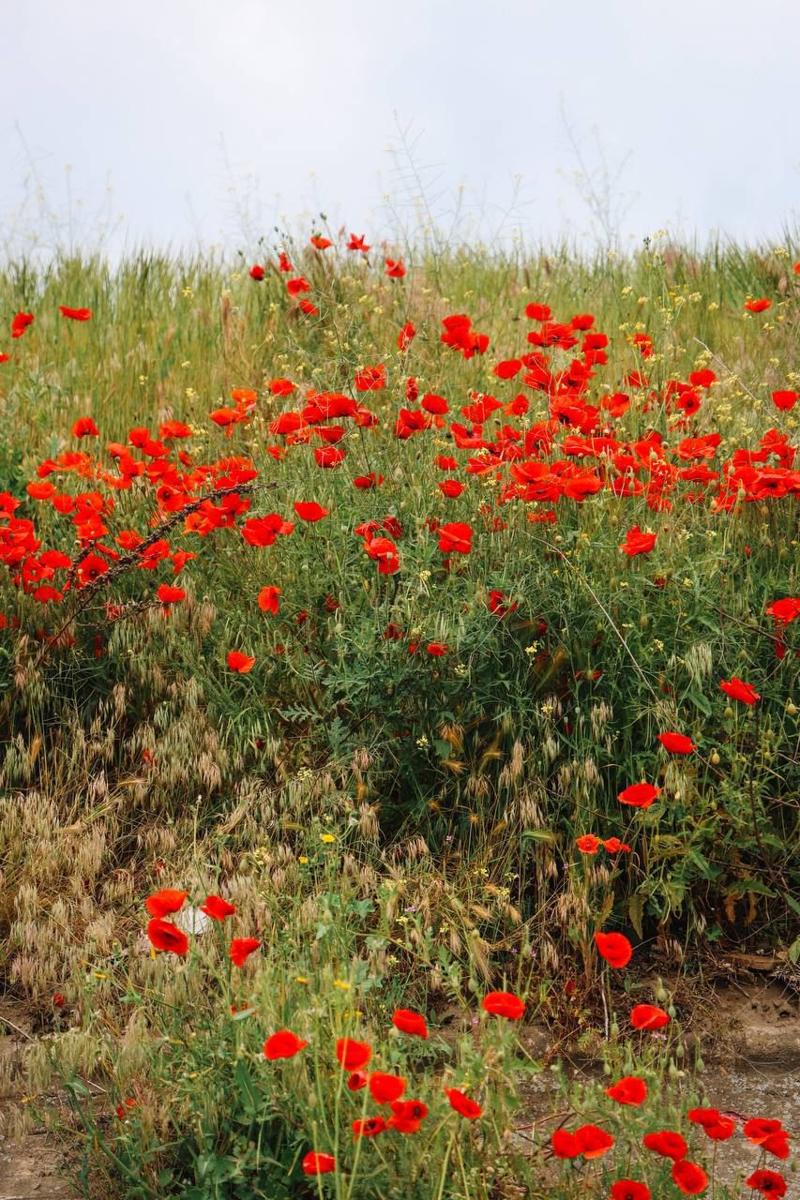
Poppies: flowers of fire, memory and dreams
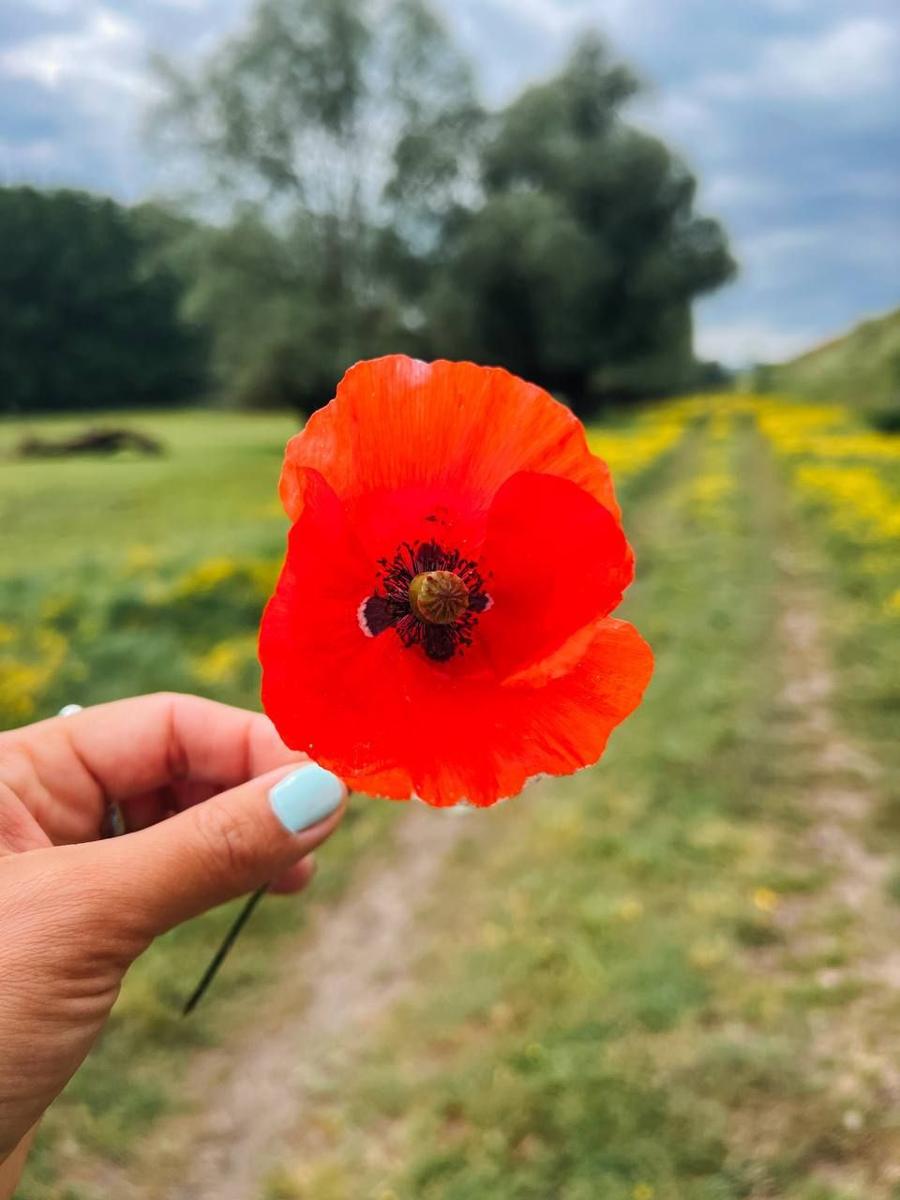
In Serbia you can find them on fortress stones, like drops of blood of fallen knights. They bloom in whole fields and adorn the roadsides. Undemanding and beautiful
Poppies: flowers of fire, memory and dreams
These aren't just red wildflowers. They hold ancient secrets.
• In Ancient Greece people believed poppies grew where warriors fell — as a symbol of sacrifice and memory.
• Poppies were dedicated to the god of sleep. Their juice — opium — lulled not only the body but also the soul.
• In China the poppy is a sign of fleeting beauty and tragic love.
• In Europe poppies became a symbol of remembrance for fallen soldiers, especially after the First World War.
In many cultures the poppy is a plant standing between worlds: it gives dreams, but can also carry you off into eternal rest.
Poppies are like imprints of the past on the body of the earth. Scarlet, beautiful and eternal. In the photo: the poppies of Kovilj
Published May 25, 2025 · Open post in Telegram ↗
Will you join us next time?
Announcements of hikes and trips, the weekly what's on and new places appear in the channel first.
Where else to go