🚂 Šargan Eight — a Serbian must-have
The first sight I heard about when I came to Serbia was Šargan Eight.
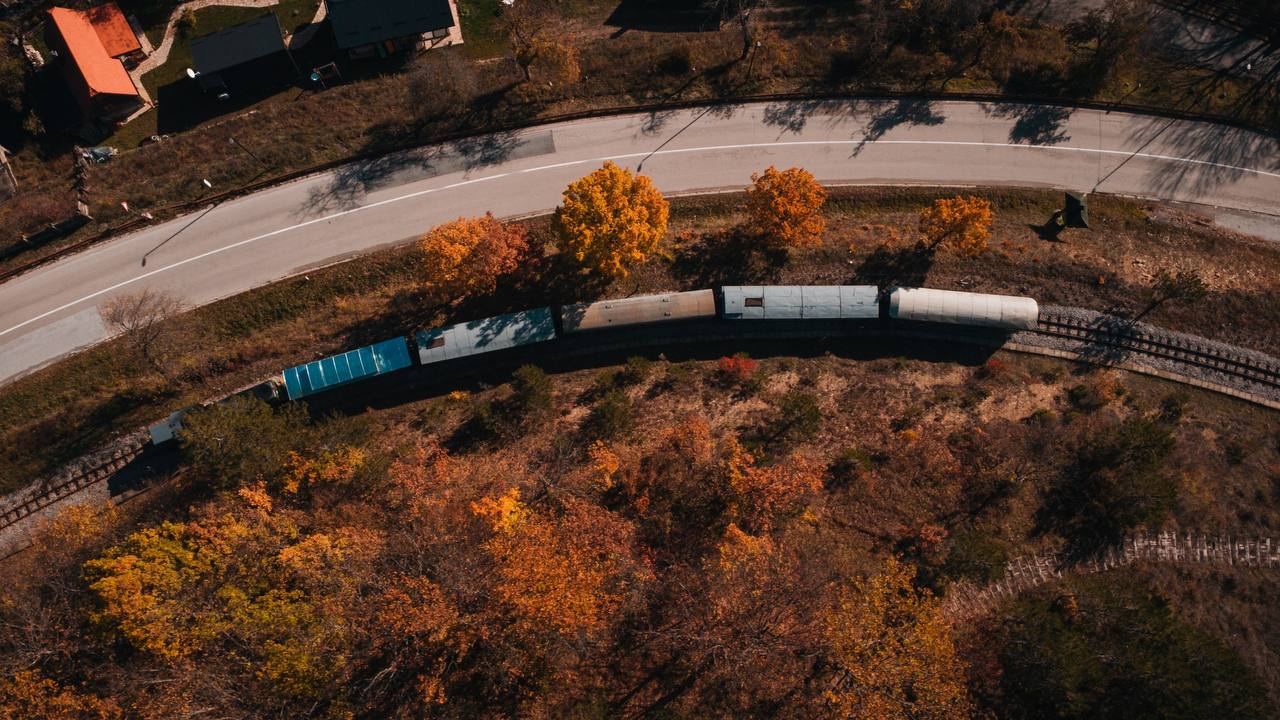
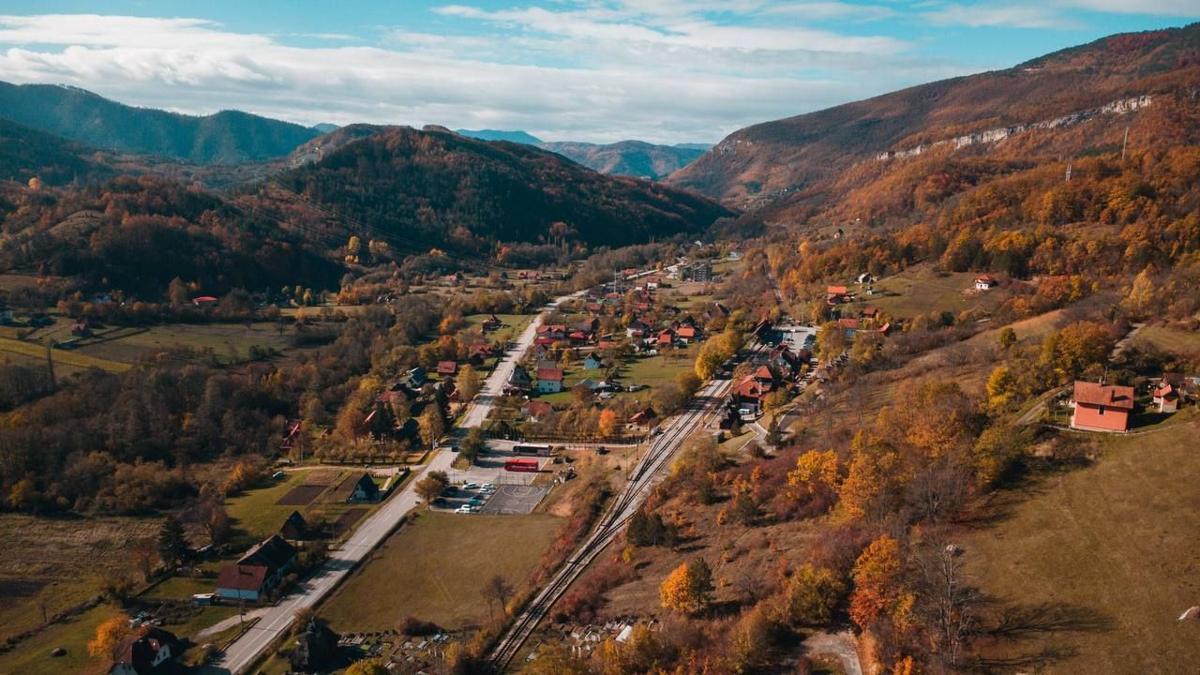
Šargan Eight got its name from the railway, which forms figure-eight loops on the slopes of Mount Šargan, helping the train gain altitude. It runs across Mount Šargan in western Serbia — hence the name: "the eight on Šargan".
And, as often happens with overhyped places, some resistance immediately kicked in inside me: come on, it's such a touristy place. What's there to do? I wonder if anyone else has had the same thoughts? And are there people who still haven't made it to the Eight?
Well, last autumn I finally went. And what can I tell you — there's a reason everyone talks about it.
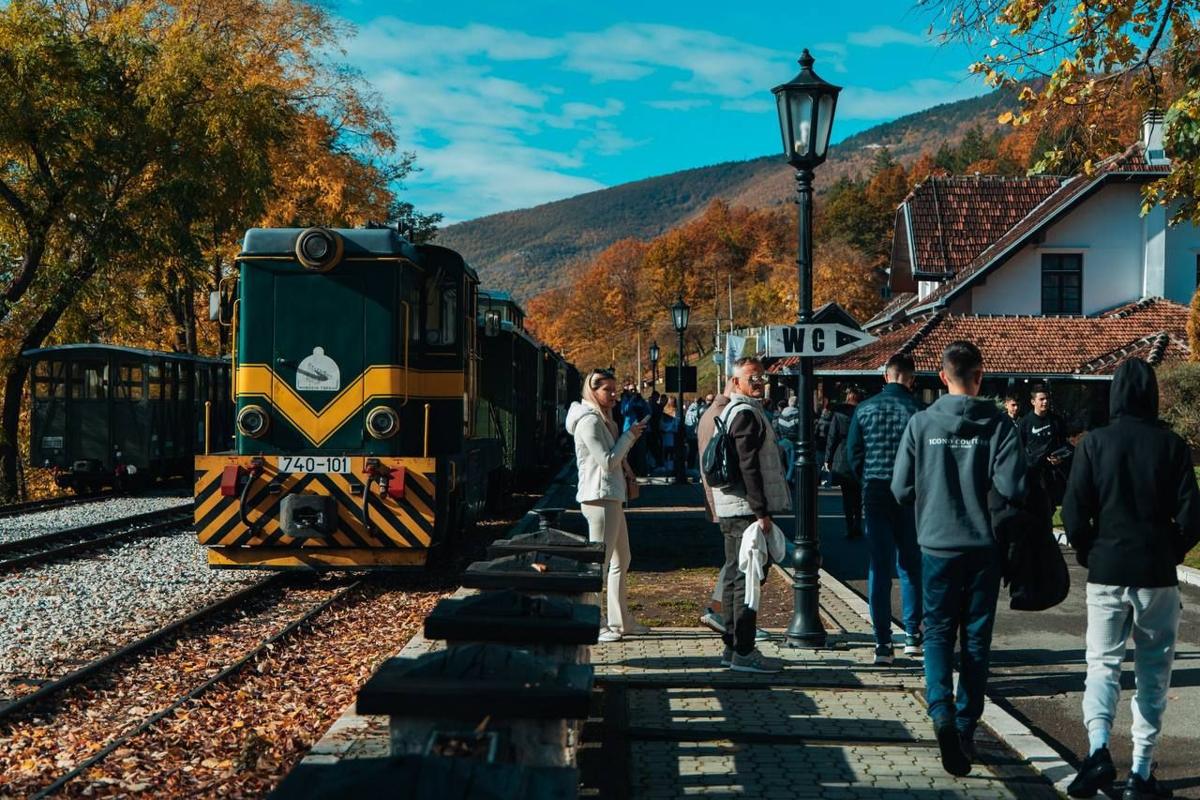
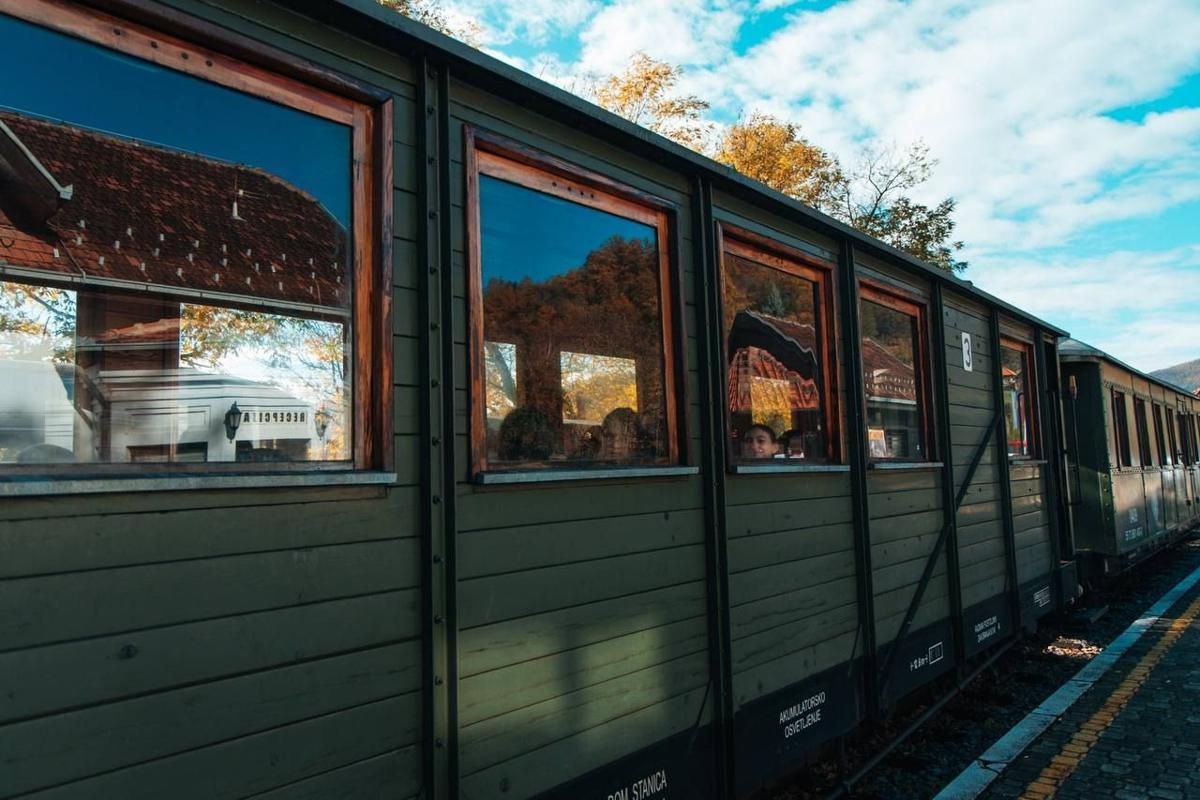
It's pure delight. And everything about it: starting with the tiny vintage carriages themselves. The views from the windows, the endless tunnels and stops at completely toy-like stations lost in the mountains.
I especially loved being able to step out of the carriage onto the open platform, ride with the wind in my face and gaze around.
The atmosphere inside is great too: wooden seats, a stove, the train leisurely crawling through the mountains, and outside the window — now forest, now a gorge, now yet another tunnel. You can take tons of photos!
Practical information
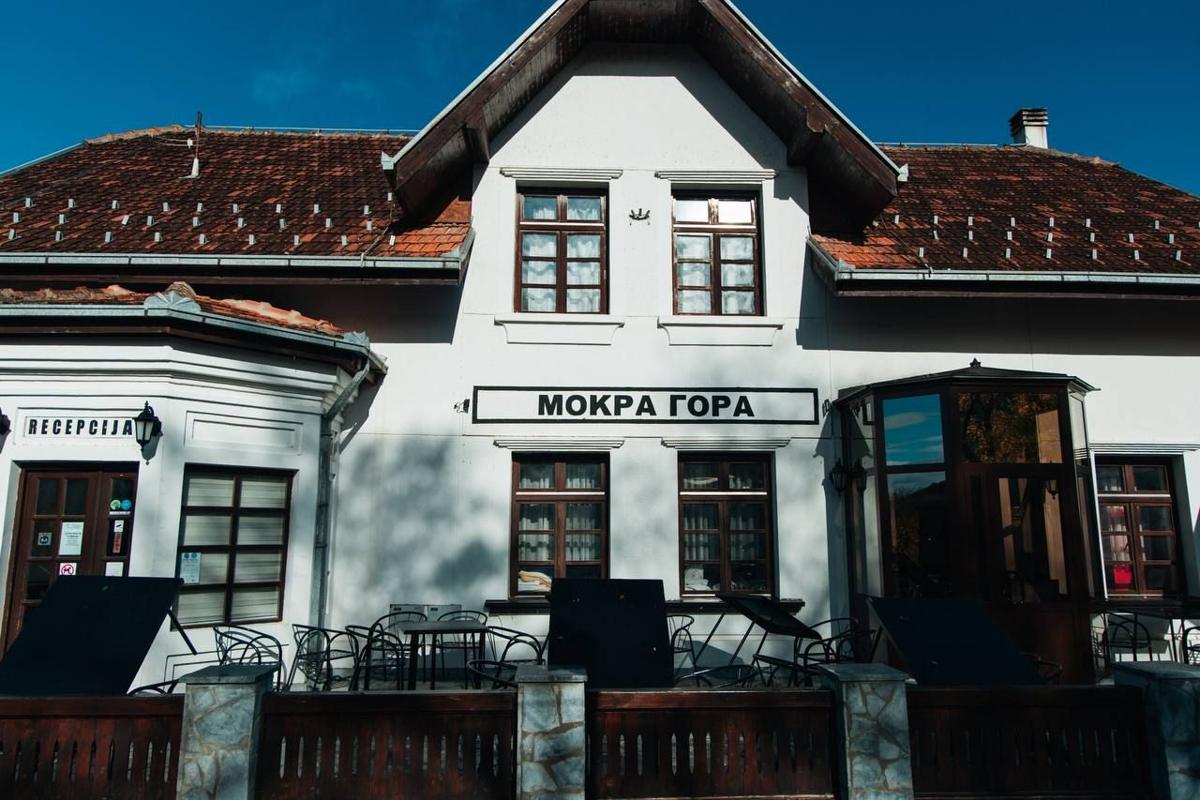
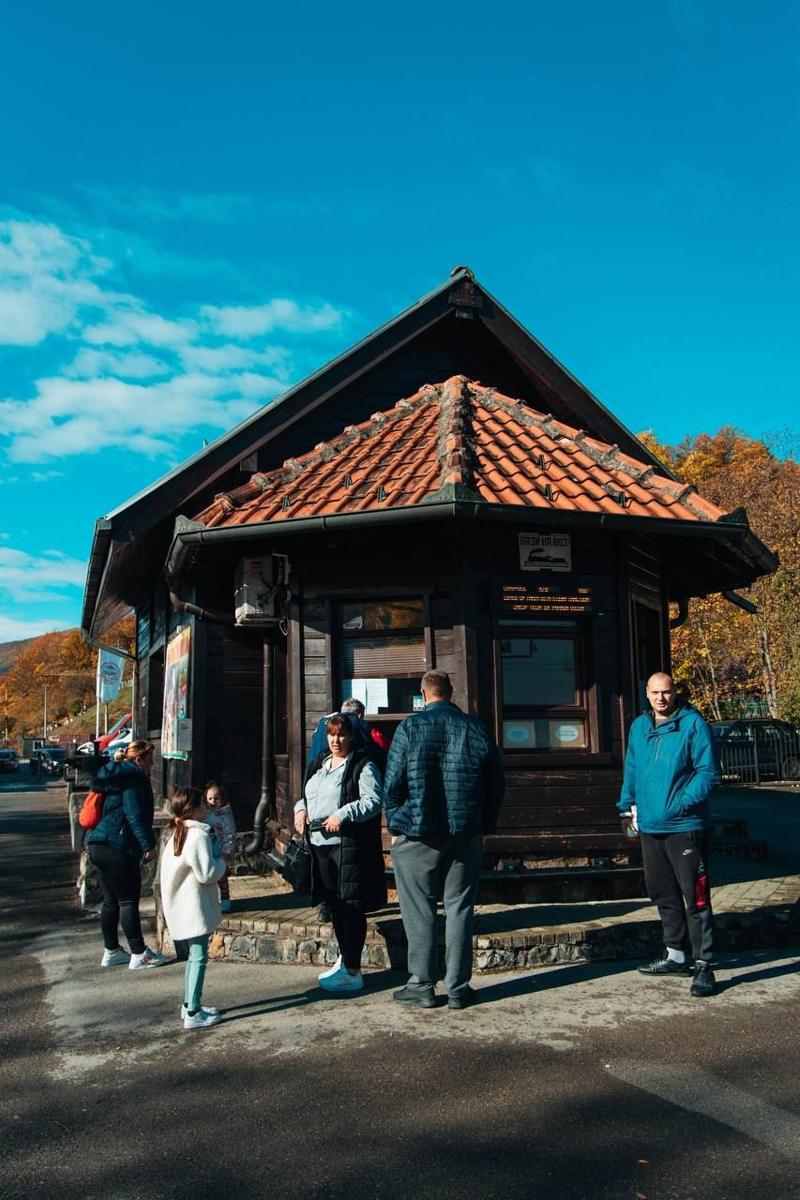
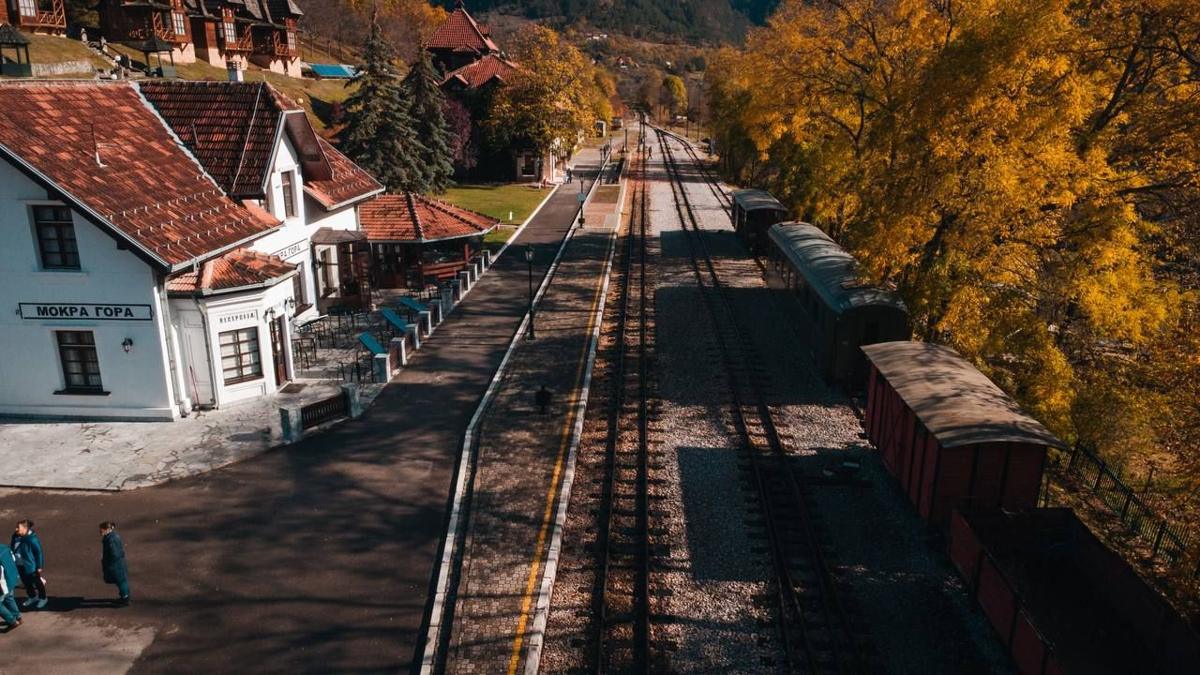
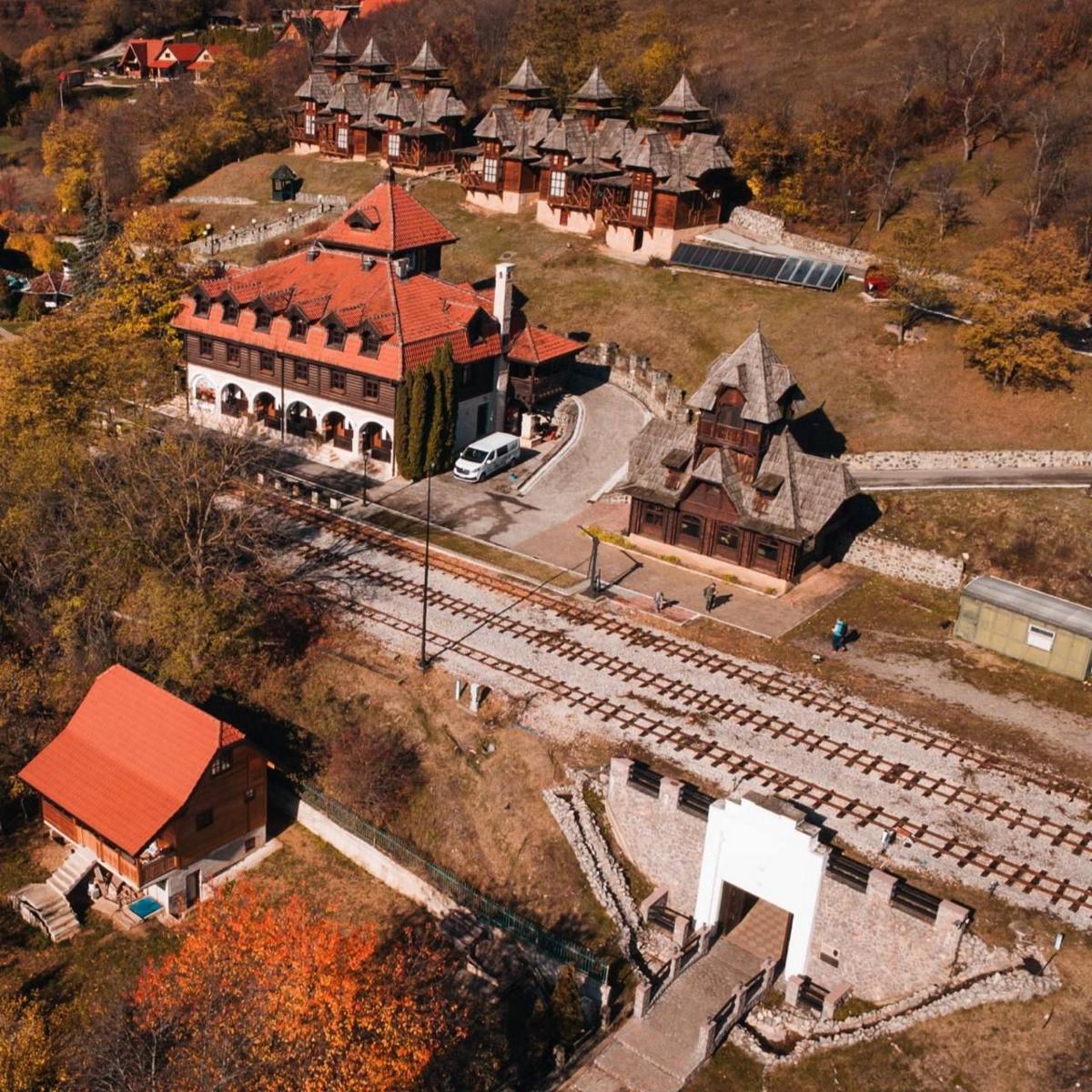
At the station itself there's a small museum, a hotel, a café, a souvenir shop and a restroom. You can take a stroll and look at the old steam locomotives.
When does the train run?
From the end of March to the end of October.
Plus during the New Year and Christmas holidays. The winter route is shorter, though: the train goes from Mokra Gora to Jatare and back.
Main departures from Mokra Gora:
10:30 and 13:30 — daily.
An extra 16:10 departure runs in high season — from June 15 to August 31.
In 2026, a round-trip ticket Mokra Gora — Šargan Vitasi — Mokra Gora costs:
adult — 1500 RSD
child 6–14 — 750 RSD
under 6 — free, if the child doesn't need a separate seat.
And here's the important part
It's best to book tickets in advance by phone (but no guarantee it'll work😂)
We arrived about half an hour before the 10:30 departure — there were no seats left. For some reason you also can't just buy a ticket in advance for the next departure, but you can book one, then come back and pay for it before departure, standing in line again.
Why you can't just buy a ticket in advance like normal — nobody knows
Mokra Gora station: +381 31 800 003
The story of how Šargan Eight came to be — in the next post. There's a lot to tell there, by the way.
All in all, I loved absolutely everything except buying the tickets)) If you haven't been yet, I highly recommend taking a ride! Especially in autumn, when the forest turns red and yellow, or in spring, when everything is in bloom.
So it turns out that sometimes a place becomes touristy simply because it's genuinely good.
#thisisthebalkansbaby #serbia #sarganeight #travel #autumn #wheretogo
Published October 8, 2026 · Open post in Telegram ↗
🚂 Did you know that Šargan Eight was built by Russians?
I can't help telling you how this amazing railway came about in the first place. There's so much information it won't fit into one post
The story began back during World War I. In 1916, the Austro-Hungarian authorities started laying a railway towards Šargan, but work had to be stopped after a tragic collapse in the tunnel under Budim hill. Russian and Italian prisoners of war working on the construction were killed. The exact number of victims is unknown, but according to local sources, it may have been around 200 people.
After the war, construction resumed. And again Russians were involved, but this time voluntarily. Russian émigrés — engineers and workers who had arrived after the revolution — were brought in to work on it.
According to a researcher of the history of the Russian community in Užice, 81 Russian émigrés worked on building the Šargan line. And they didn't just swing shovels — Russian specialists also did construction, surveying and engineering work.
The main work on the section took place from 1921 to 1925, and on January 25, 1925, the first train ran on the new line. 🚂
And then came the hardest part!
The engineers needed to connect Mokra Gora with Šargan, but between them lay about 300 meters of elevation difference. And the distance was quite short. Going straight, the train simply couldn't have climbed the mountain. So the engineers did what Serbians are especially good at: they didn't argue with reality, but found a way to elegantly get around it.
The rails were twisted into loops, serpentines and tunnels. As a result, the railway literally crosses itself, and if you look at the track from above, it resembles the number 8.
Hence the name — Šarganska osmica.
And the "eight" itself is only part of the route.
Today the tourist section
Mokra Gora — Šargan Vitasi — Mokra Gora is about 15.5 kilometers
. Over this short distance —
22 tunnels and five bridges
! The total length of the tunnels is over 5.4 kilometers, and the longest, the Alexander I tunnel, stretches about 1.67 kilometers.
So the train spends
about a third of the journey inside the mountain
.
Now let's go back a hundred years.
The famous "Ćira" — Chira, a steam locomotive with wooden carriages, ran on this narrow-gauge line. It wasn't a ride for tourists but a real transport artery.
The railway connected Belgrade with Sarajevo, and further on led to the Adriatic — towards Dubrovnik and Zelenika. People traveled here, and food, timber and other goods were transported. In short, ordinary life went on.
In 1938 a real railway speed demon appeared on the line!
"Ludi Sarajlija" — "The Crazy Sarajevan".
The motor train reached speeds of up to 60 km/h and cut the travel time from Belgrade to Dubrovnik from about 24 to 16.5 hours. Today we'd say: 60 km/h — so what? But back then, on a mountain narrow-gauge line, it was like letting a Ferrari loose on a serpentine road!
On top of that, the train was quite comfortable for its time: several carriages, first and second class, and it even had a small buffet car.
But progress is relentless: road transport gradually pushed out the narrow-gauge railways.
On 28 February 1974, the last train ran along the Šargan Eight.
And that was it. It seemed the story was over. For almost thirty years the mountain rails stood silent. But there were people who decided that such beauty shouldn't be thrown onto the scrapheap of history after all. From 1999 to 2003 the railway was restored, and on 1 September 2003 the train ran along the Šargan Eight once again!
What else this railway hides, what Kusturica has to do with it, and why, legend has it, one of the stations never sold a single ticket — I'll tell you in the next post. 🎬
Another Russian trace in Serbian history has been found. We're getting closer and closer to the Balkans!
Published 9 October 2026 · Open post in Telegram ↗
Kusturica, Belka the donkey and a station without a single ticket sold
🚂 Šargan Eight: Kusturica, Belka the donkey and the station that never sold a single ticket
And this is where a man appears without whom the story of Mokra Gora would have been completely different.
Emir Kusturica. 🎬
In the late 1990s and early 2000s he came here to shoot the film "Life Is a Miracle". And he seems to have quickly realised he'd found the perfect set — one that didn't need inventing at all. Mountains, a railway, tunnels, old stations, wooden houses — it was all already here.
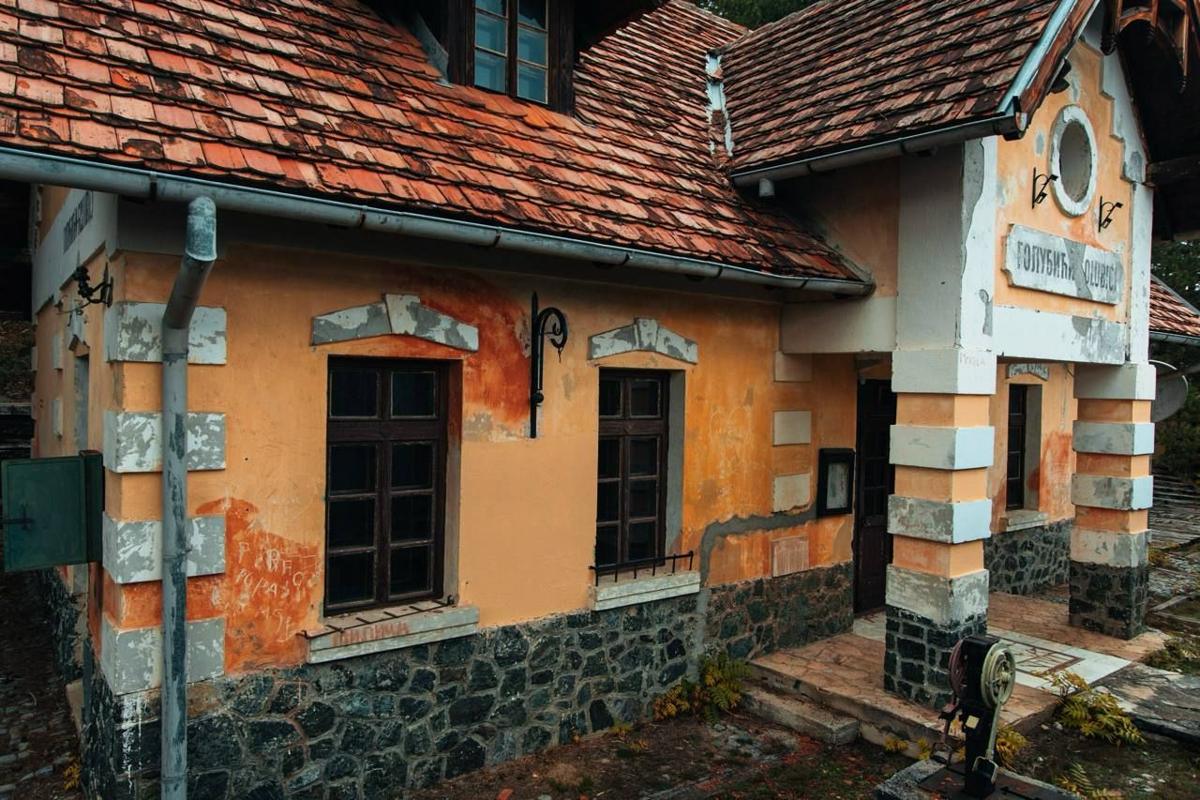
For the film, the Golubići station was built next to the railway — one of the main filming locations. After shooting it stayed, and today it serves as a stop for the tourist train.
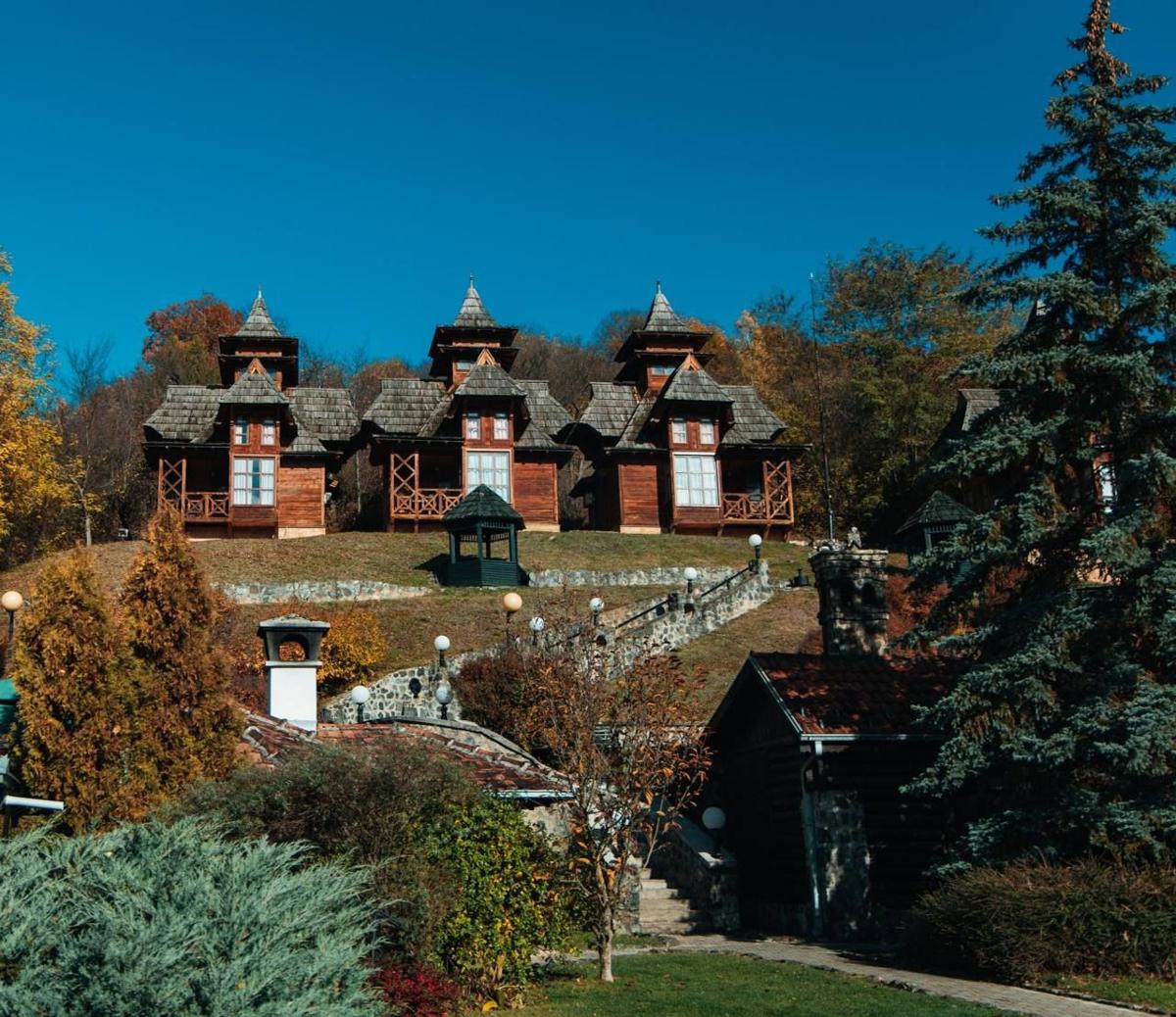
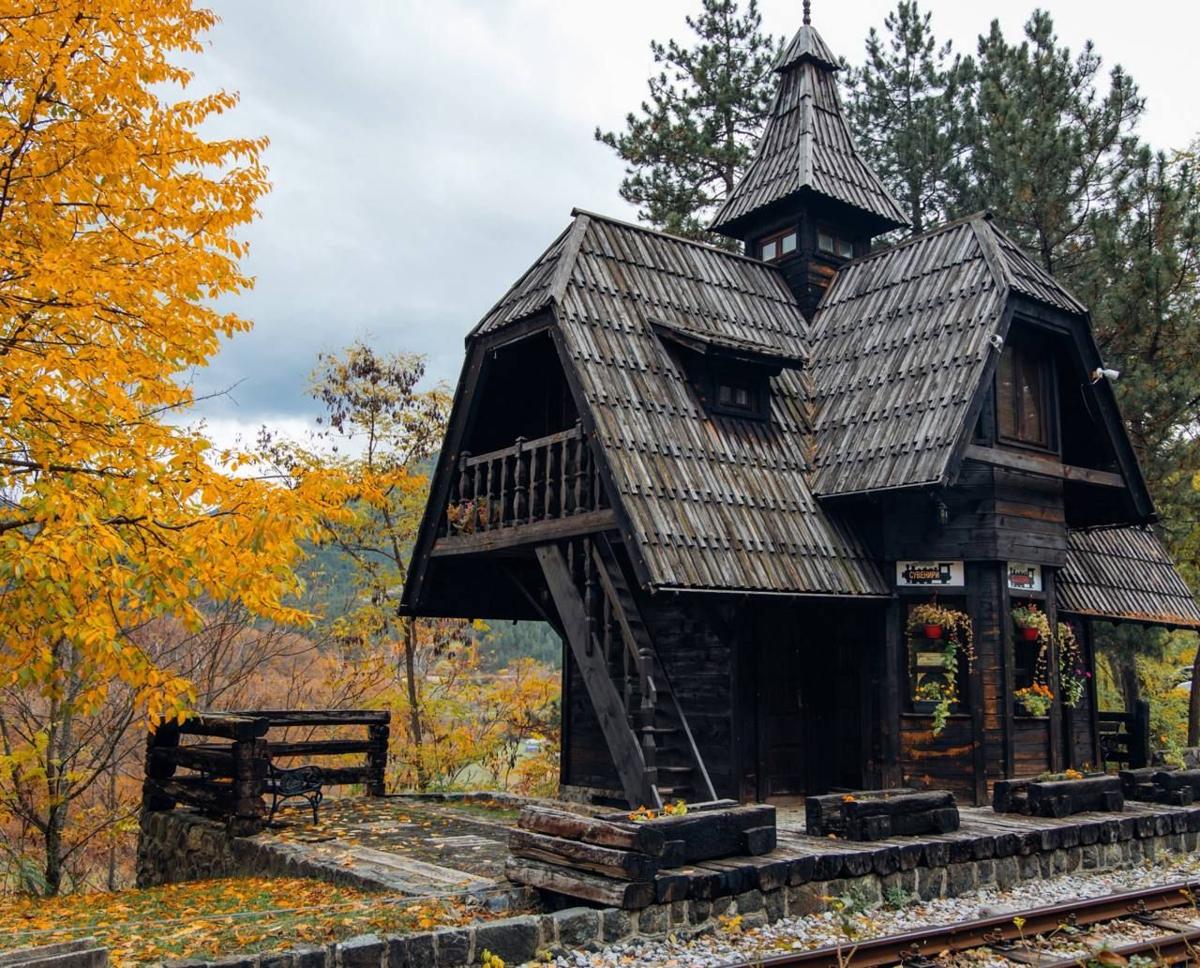
And then Kusturica went as far as building an entire town! On the hill above Mokra Gora appeared Drvengrad, also known as Küstendorf — a wooden village created for the film.
When you ride the Šargan Eight today, the train stops at Golubići. You look at the station — and realise you've seen it before.
Any moment now Luka, Sabaha, Miloš, Veljo the postman and, of course, Belka the donkey should appear somewhere around here.
You came for a ride on a vintage train through the Serbian mountains, and ended up inside a Kusturica film.
But even beyond the movie stories, the Šargan Eight has plenty to surprise you with. Here's a story I particularly love.
🚉 Jatare station.
It sits roughly halfway along the route. Once upon a time trains passed each other here, and steam locomotives could top up their water.
And here's the funny part: according to legend, not a single ticket was ever sold at Jatare in the whole history of the railway.
Not one! The station was practically in the middle of nowhere, and passengers neither got on nor got off here.
Today Jatare is a must-stop on the tourist route.
So a place where nobody ever needed to stop has become one of the reasons tourists come here. What a railway twist of fate. ❤️
There's also a beautiful Serbian legend about the prophet from Kremna, Mitar Tarabić. Supposedly he predicted that one day people would ride this railway not out of necessity, but for pleasure
Whether it's true or just a lovely tourist legend — you decide. But today, a hundred years after the first train appeared, it sounds symbolic.
Because that's exactly what we're doing now: going to the mountains by train simply because we can and want to.
Published 10 October 2026 · Open post in Telegram ↗
Will you join us next time?
Announcements of hikes and trips, the weekly what's on and new places appear in the channel first.
Where else to go