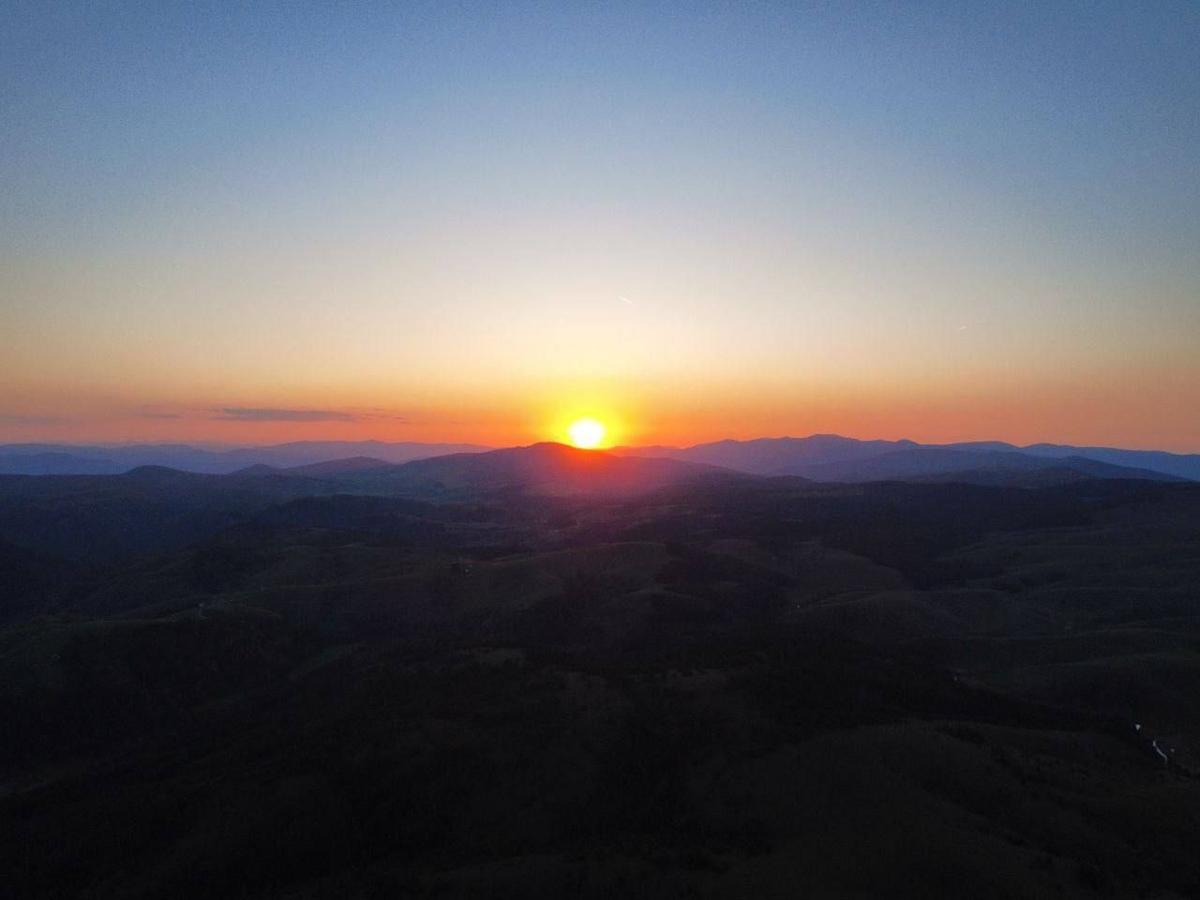
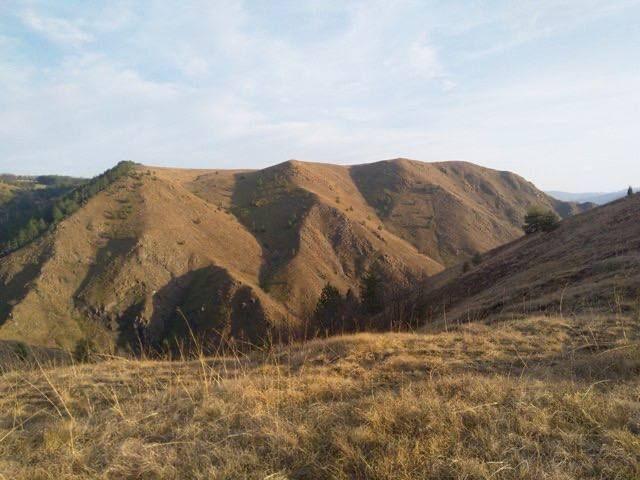
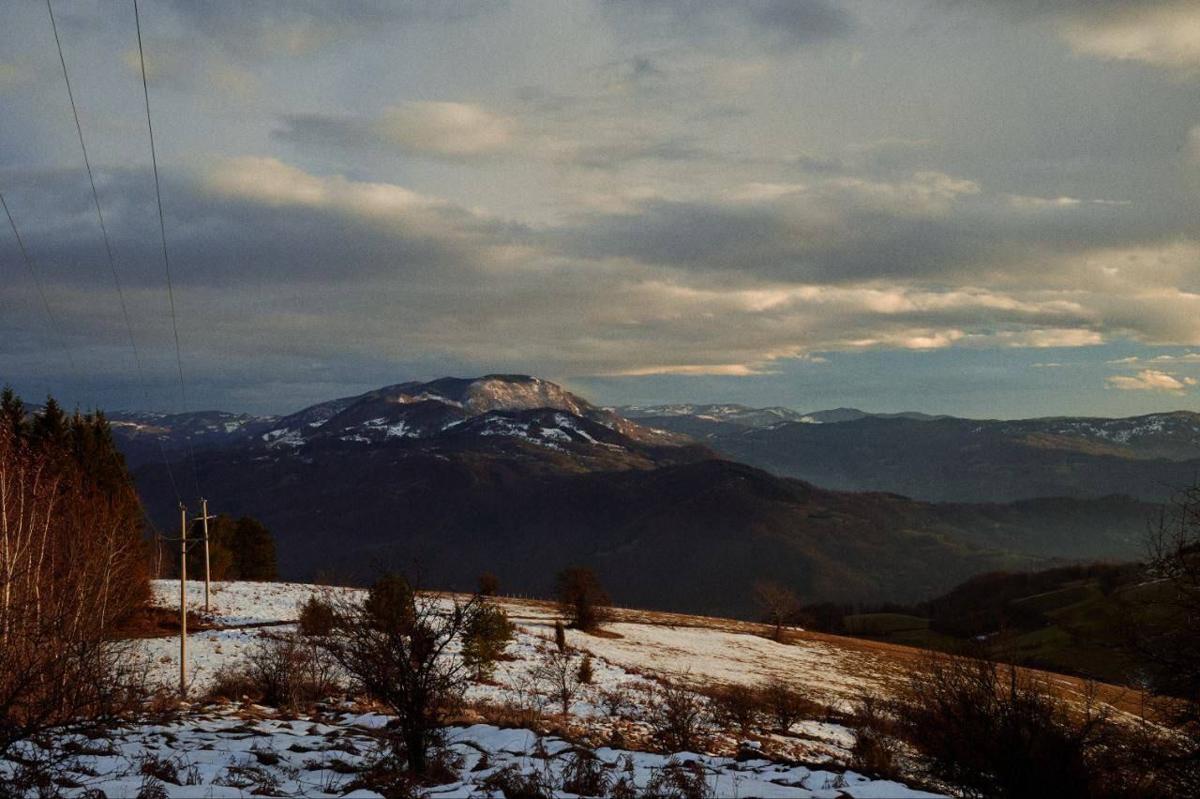
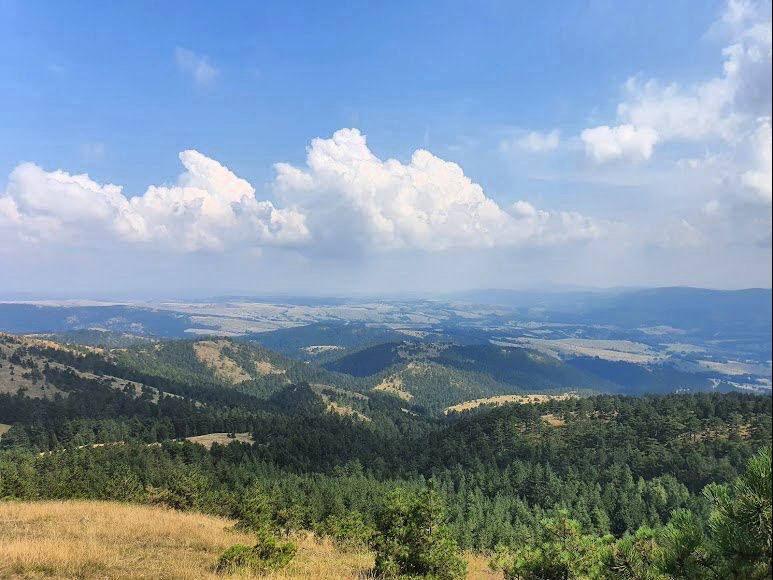
Walking route to Čuker from central Zlatibor
Our little poll "who spent the holidays where" showed a wide geography — from Bosnia and Montenegro to Egypt.
As for us, we rented a cute vikendica in Zlatibor with friends and explored the surroundings. Now I understand why Serbs love Zlatibor so much: the air there is simply fantastic — clean, dense, with the scent of pine needles. You want to breathe it endlessly.
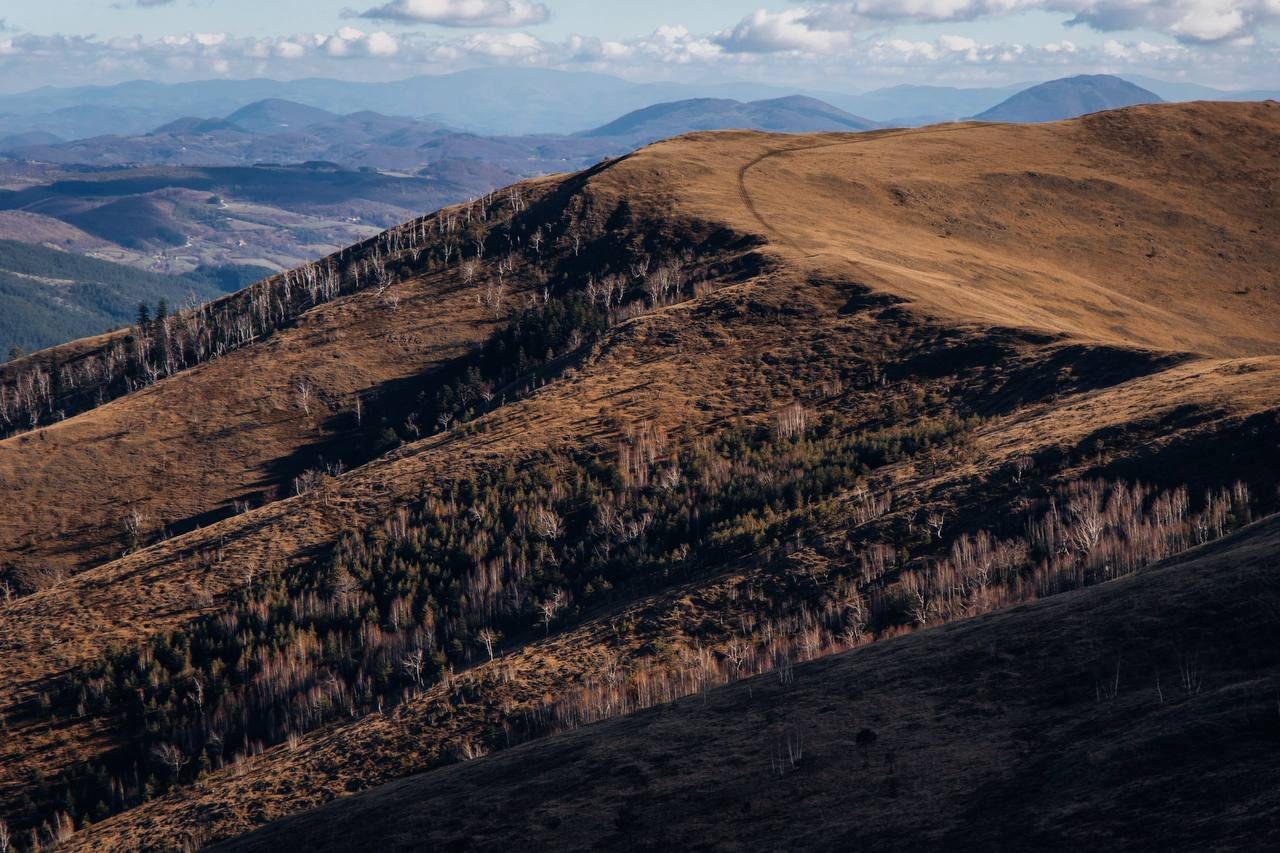
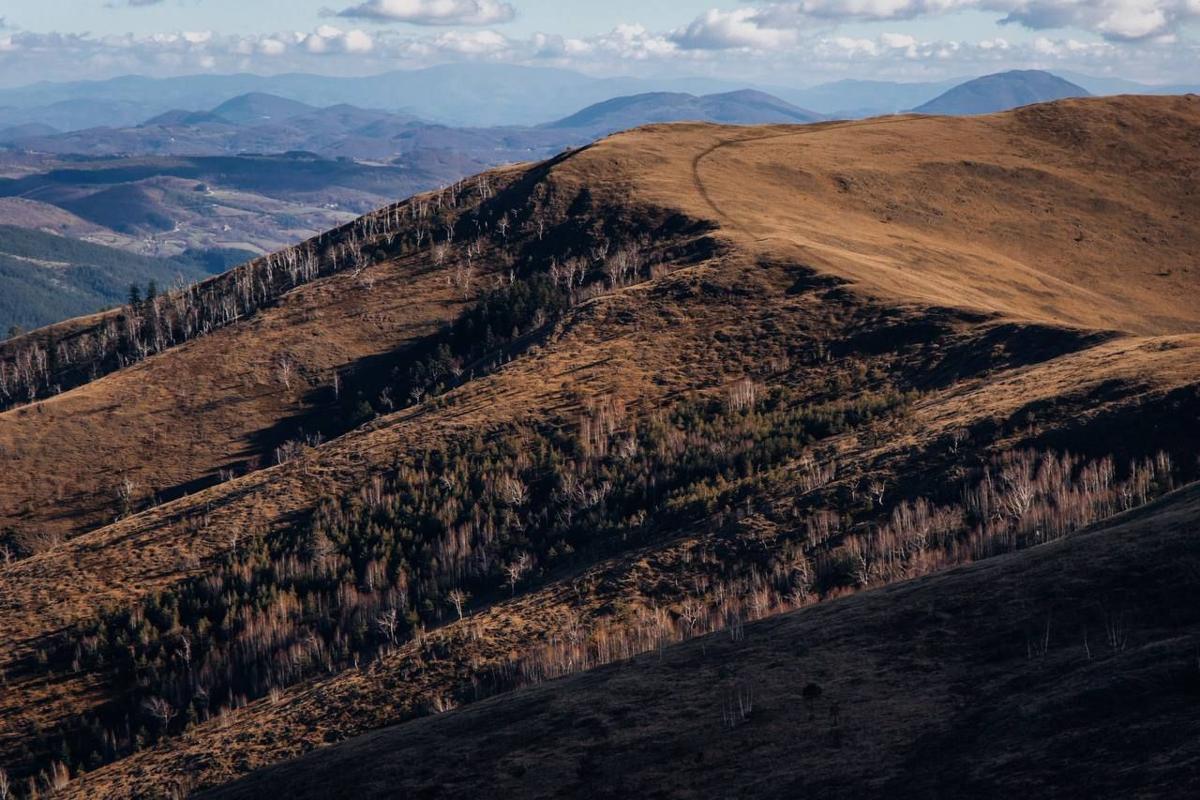
And I'll start with a must-have — the walking route to Čuker, one of the most pleasant and accessible walks in the area.
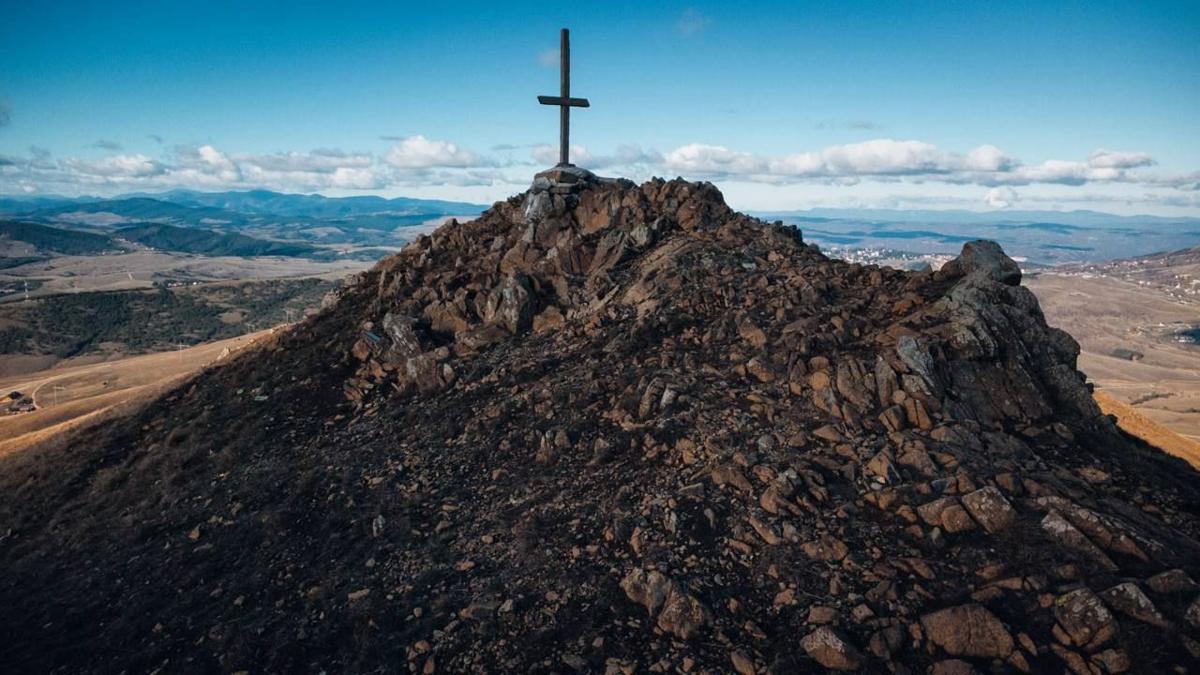
Čuker is a peak in the Zlatibor tourist area (Western Serbia), about 1359 m high.
The "Centar → Čuker (Čigota)" route starts right in the center of the resort — convenient, no car or transfer needed, just the desire to walk.
The ascent is about 615 m, and the trail is roughly 5 km one way.
From the summit there are views of Lake Ribnica, the Čigota and Tornik mountains and other Zlatibor ridges.
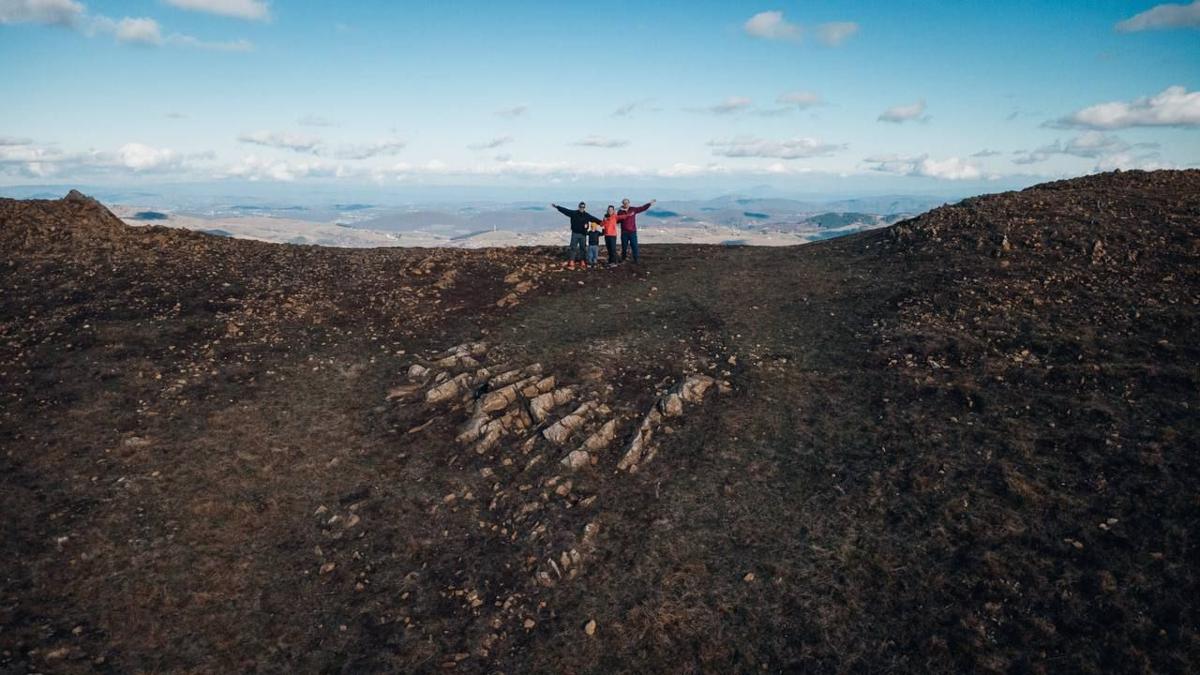
The route is simple and scenic: my six-year-old whined a bit, of course, but basically managed it without any problems. On the trail we met people of all ages — some in trekking gear, some just in sneakers and coats. Only right before the summit is there a short but steeper climb, which is easy to do with a couple of stops. At the summit it was windy and chilly, you can't do without a jacket there. As for infrastructure, there's a bench to rest on and a cross.
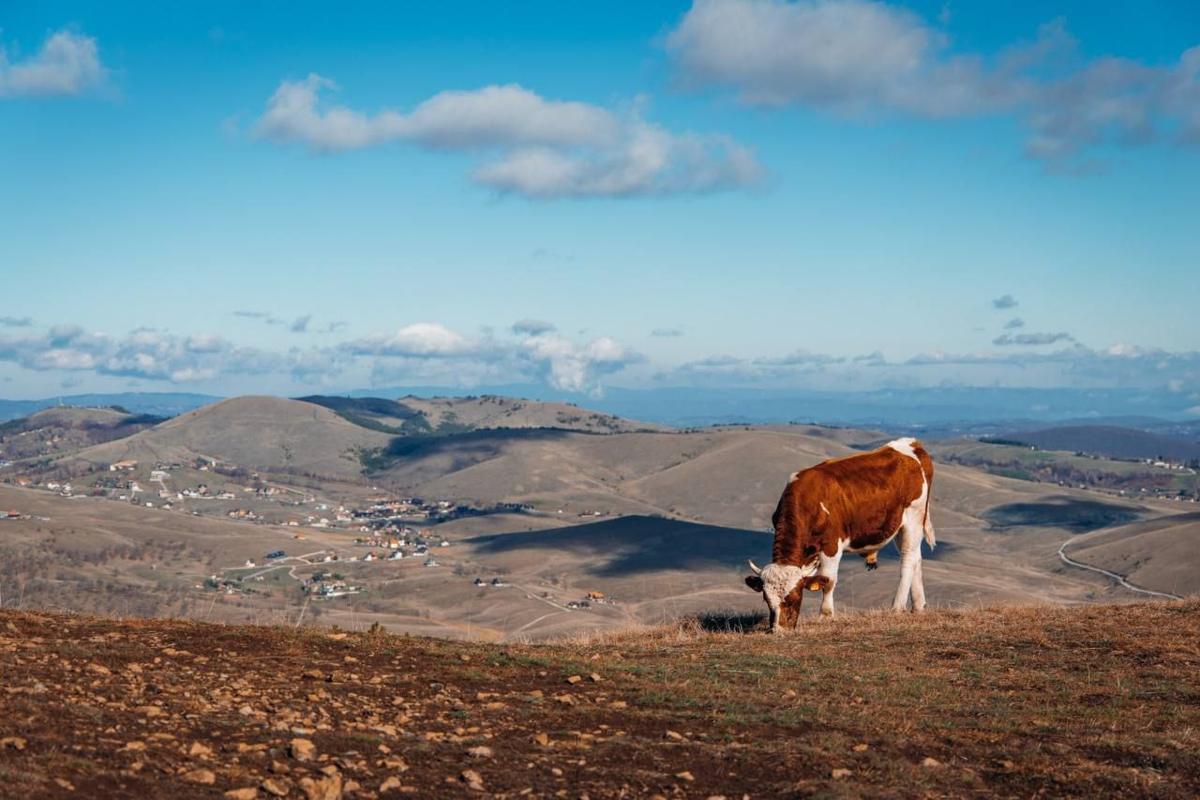
Along the way we met the local "hiker cows", enjoyed the purest air and panoramas you can hardly tear your eyes away from.
One of the descents starts by the monument on Šumatno Brdo, which is connected with the events of World War II. There's also a great plateau for resting, a café with a gorgeous view, delicious veal čorba and fragrant mulled wine. A great reward for the journey.
Interesting facts:
• Every year a New Year's walk "Čajanka na Čukeru" is held on Čuker — the 13th one took place on January 1, 2025.
• Zlatibor is called a "climatic spa": the mix of sea and mountain winds creates special, "healing" air.
In short: a great walk for anyone who wants to stroll, breathe and feel what Zlatibor is all about — unhurried, without gear, but with pleasure.
Save the route and try it yourself👣
Route in the comments
#thisisthebalkansbaby #serbia #zlatibor #hiking #cuker
Published November 13, 2025 · Open post in Telegram ↗
Zlatibor cows and 10 facts about them
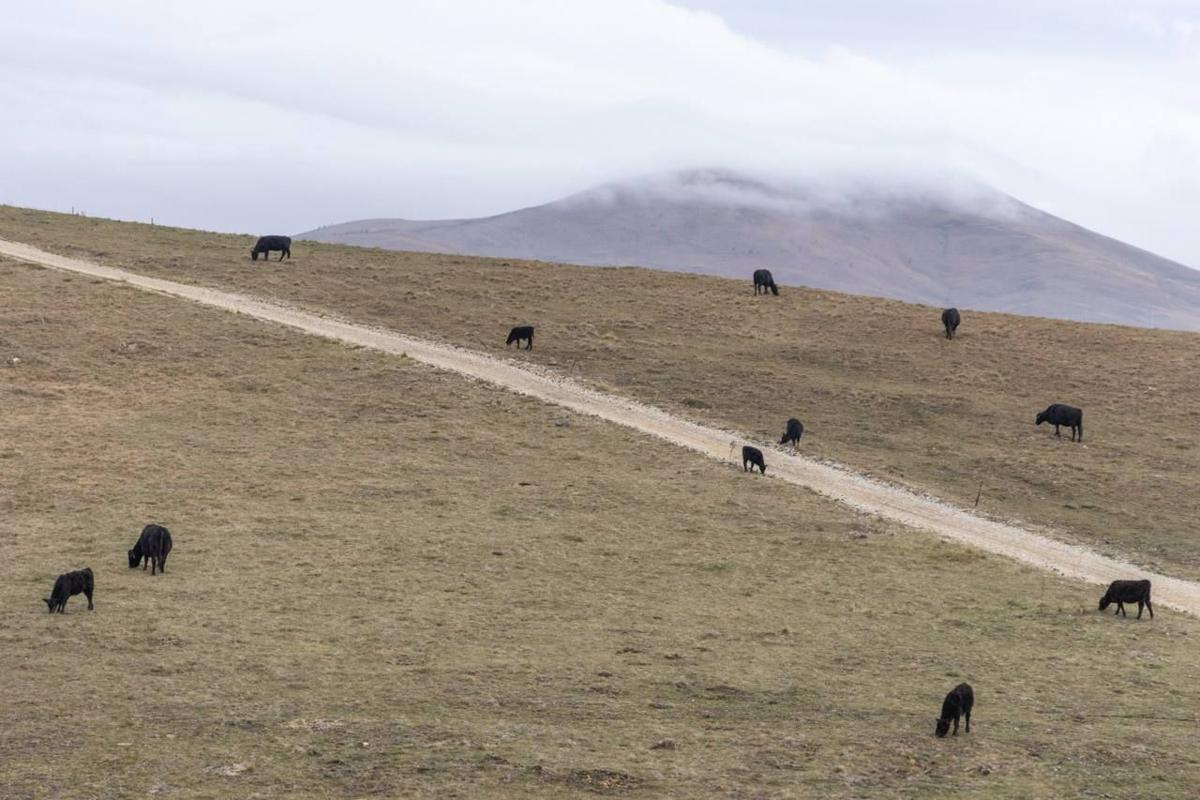
One of the most recognizable features of the Zlatibor landscape is the cows calmly wandering the hills. You can find them even on the highest slopes: red, white-spotted, coal-black. They live here on free pasture, breathing clean mountain air and nibbling fragrant grasses. The cows spend almost the whole year outdoors, and only in winter or bad weather are they driven into warm barns, where they're fed hay and corn. That's why Zlatibor milk and cheeses are considered special — with that very "taste of the mountains".
🐄 10 amazing facts about cows — the very ones peacefully grazing on the Zlatibor slopes.
1. Cows can recognize the faces of people and other cows — and remember them for many years.
2. Their field of view is almost 360° — they see everything around them without turning their heads.
3. Their sense of smell is a superpower: a cow can pick up scents from up to 10 km away!
4. Their taste buds are 2–3 times more sensitive than humans' — no wonder they choose the juiciest grasses.
5. Despite their phlegmatic look, cows can jump and run, especially when they're having fun.
6. They're social creatures: each has a "best friend". Separation causes stress.
7. Their stomach has four compartments, and eating takes up to 10 hours a day.
8. Every cow's spot pattern is unique — like human fingerprints.
9. They experience emotions: joy, curiosity, anxiety. These are animals with character and an inner world.
10. An adult cow can drink up to 100 liters of water a day — especially in summer on the pasture.
🐮 Next time you see a Zlatibor herd on a green slope, know this: cows are far more complex creatures than they may seem. They have excellent memory, they make friends, get sad, smile with their eyes and know a thing or two about freedom. And the tastiest milk comes from Zlatibor.
Published November 12, 2025 · Open post in Telegram ↗
Zlatibor's narcissi: origins and legends
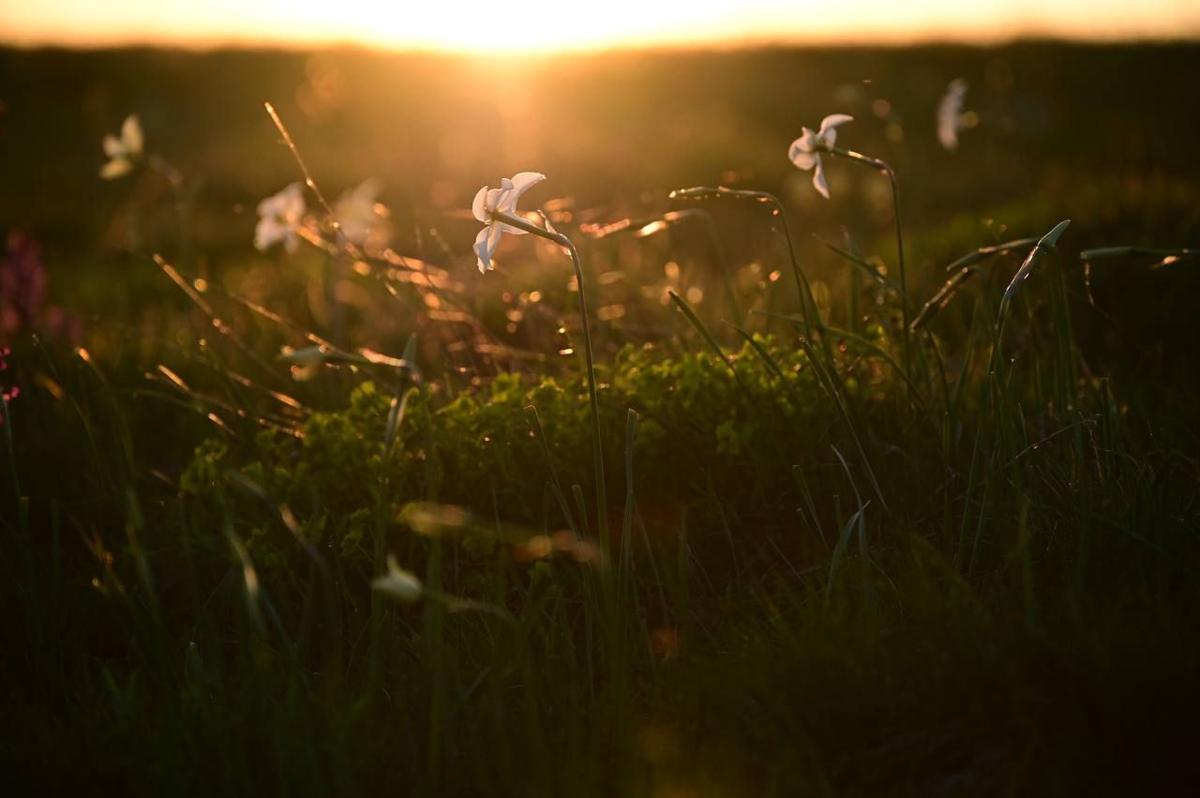
In Bosnia we saw the first daffodils in February, and in Serbia the last ones are finishing their bloom in the mountains right now. These ones were caught on camera by EDshots in Zlatibor.
🌿 Origin
Daffodils are native to the Mediterranean. There are especially many in Spain, Portugal and the Balkans. However, thanks to their popularity, daffodils have spread around the world and today are grown in gardens from Britain to Japan.
The name "narcissus" comes from the Greek narkao, which means "to stupefy" — the scent of some varieties really is strong and intoxicating.
The legend of Narcissus
An ancient Greek myth tells of a beautiful young man named Narcissus who was so handsome that he rejected everyone who fell in love with him. One day, seeing his reflection in the water, he fell in love with himself and couldn't tear himself away until he died. On the spot where he died, a flower grew — the narcissus, a symbol of self-obsession and unrequited love.
Interestingly,
- In England the daffodil is called "lazy man's onion" — because its leaves look like onion leaves and it's of no use in cooking.
- In China the narcissus is a symbol of good luck and wealth. If it blooms by the Lunar New Year, it's considered a good sign.
- Some daffodils are poisonous — especially the bulbs. In the old days they were even used as a sleeping aid (don't try this at home!).
- In Wales it's believed that whoever sees the first daffodil in bloom of the year will be happy until the next spring.
The narcissus is not only about beauty, but also a reminder of the balance between loving yourself and loving others.
You can see more of Ed's photos here
EDShots on Telegram
Instagram
Published May 29, 2025 · Open post in Telegram ↗
Will you join us next time?
Announcements of hikes and trips, the weekly what's on and new places appear in the channel first.
Where else to go