What spomeniks are and what they're about
After World War II, strange concrete giants began to appear all over Yugoslavia.
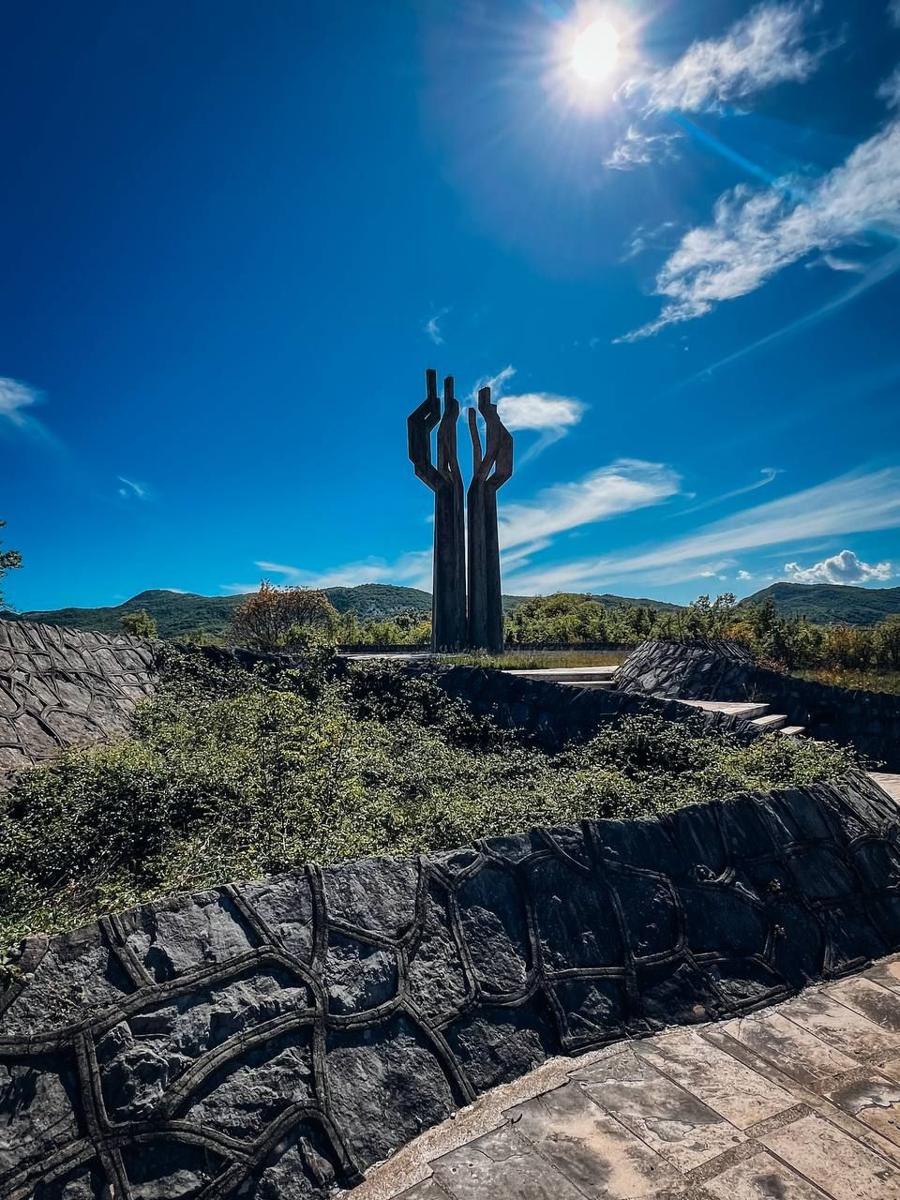
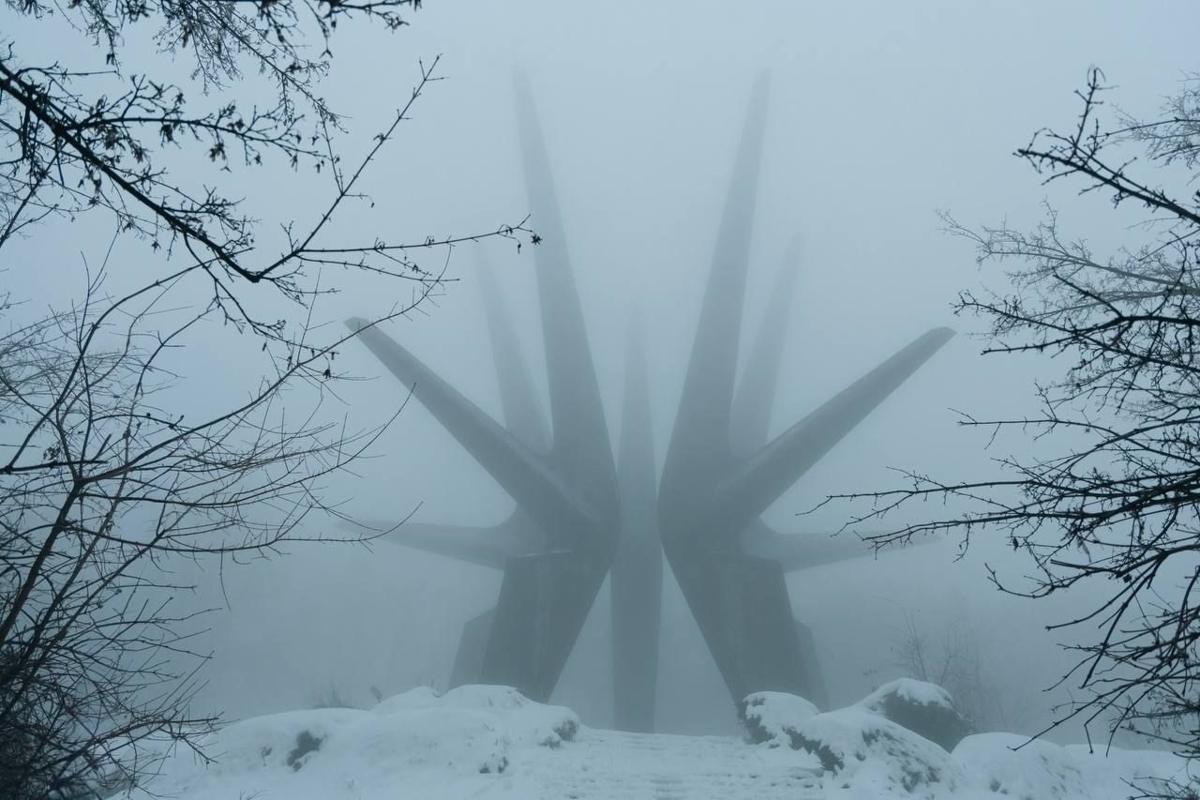
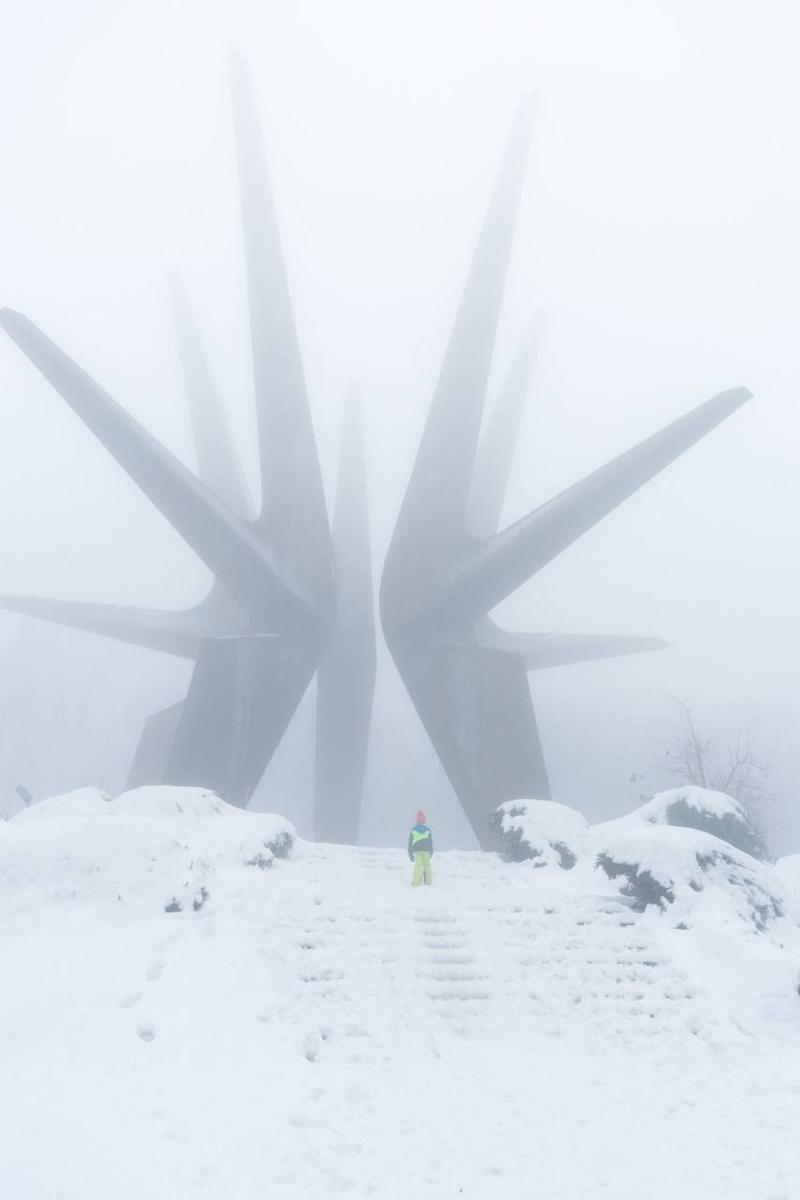
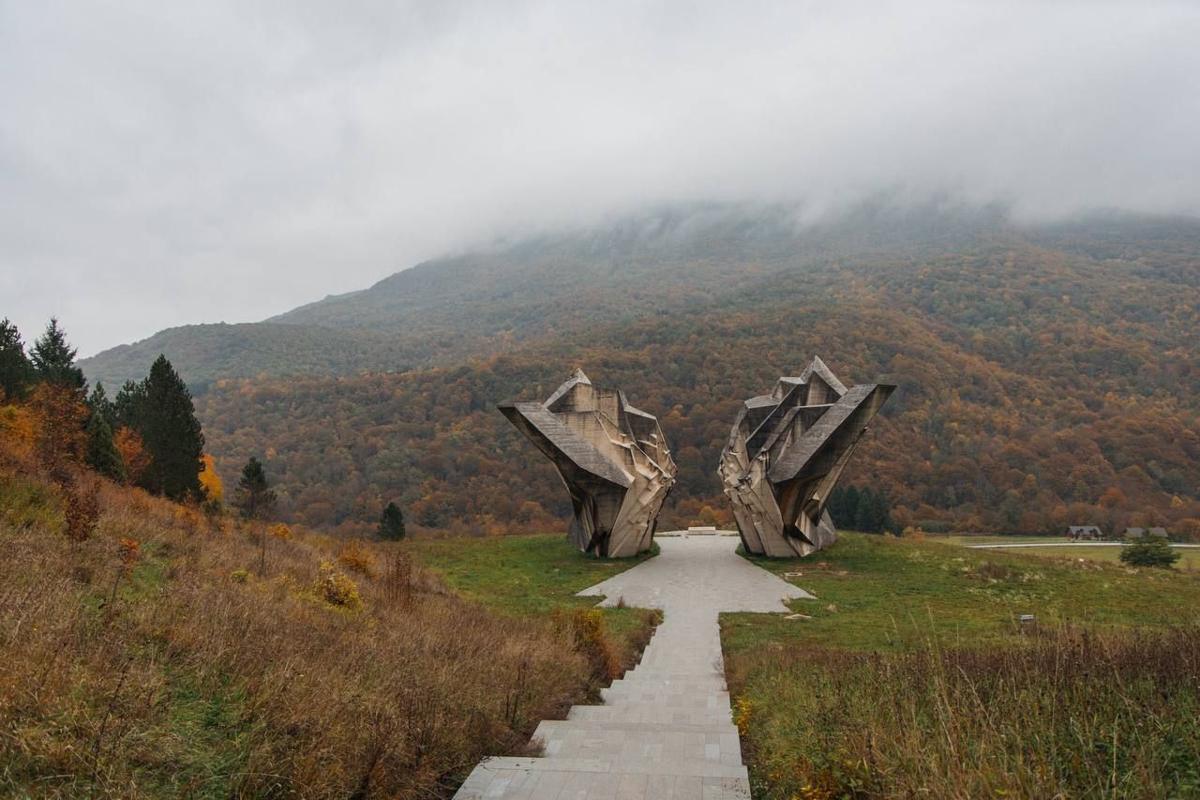
Some look like spaceships. Others — like flowers from the future. Others still — like sets for a sci-fi film about a distant civilisation.
These are the spomeniks.
But the most interesting thing about them isn't even their shape, but what they're about.
What is a spomenik?
The word spomenik simply means "monument" in Serbian. But the name usually refers specifically to the Yugoslav memorials built in the 1960s–1980s.
Most of them are dedicated to events of World War II:
— execution sites
— partisan battles
— concentration camps
— civilians who were killed
For Yugoslavia, the war was a terrible trauma. The country lost around a million people. There was occupation, mass killings, concentration camps and neighbour fighting neighbour.
After the war, the new socialist state tried to create a shared memory for very different peoples: Serbs, Croats, Bosniaks, Slovenes, Macedonians.
And that's how the spomeniks came about.
And here's the amazing thing.
While in the USSR monuments were usually as literal as possible — a soldier, a tank, a banner, an eternal flame — Yugoslavia decided to talk about the war differently.
Not through a specific hero.
But through feeling.
Through pain.
Through resistance.
Through the attempt to live on after catastrophe.
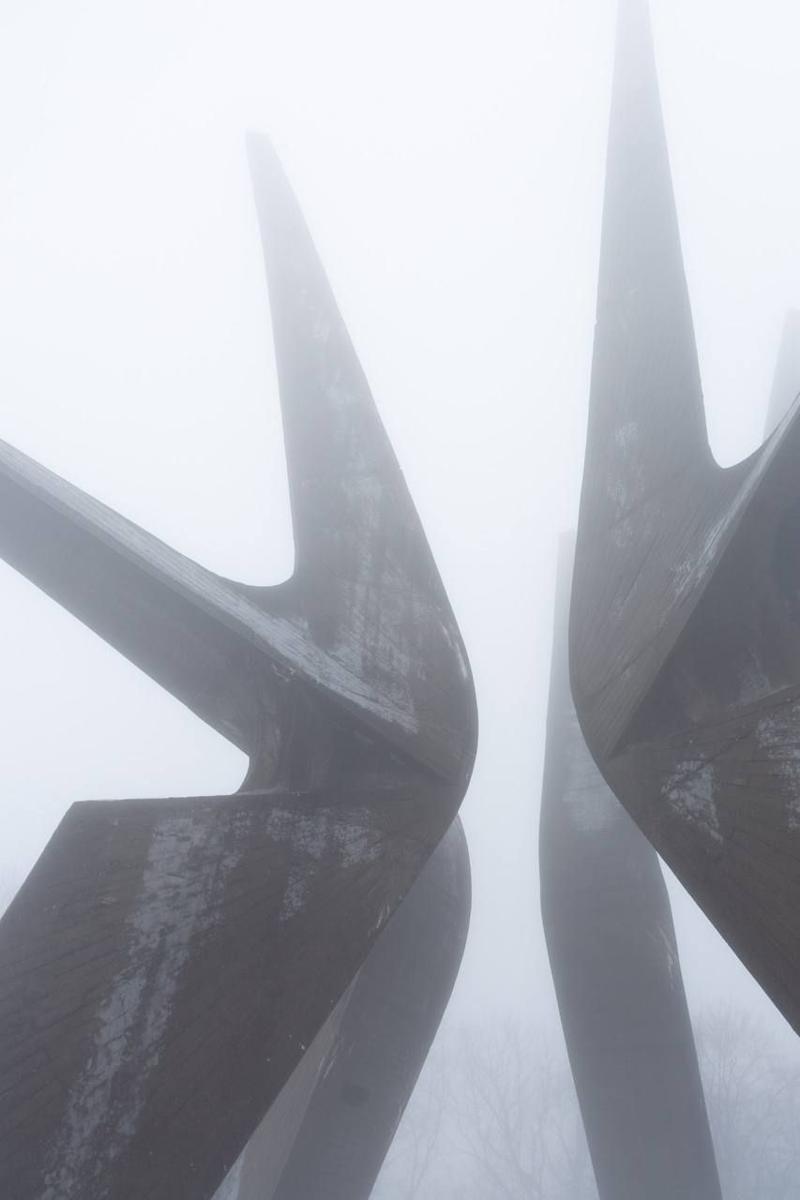
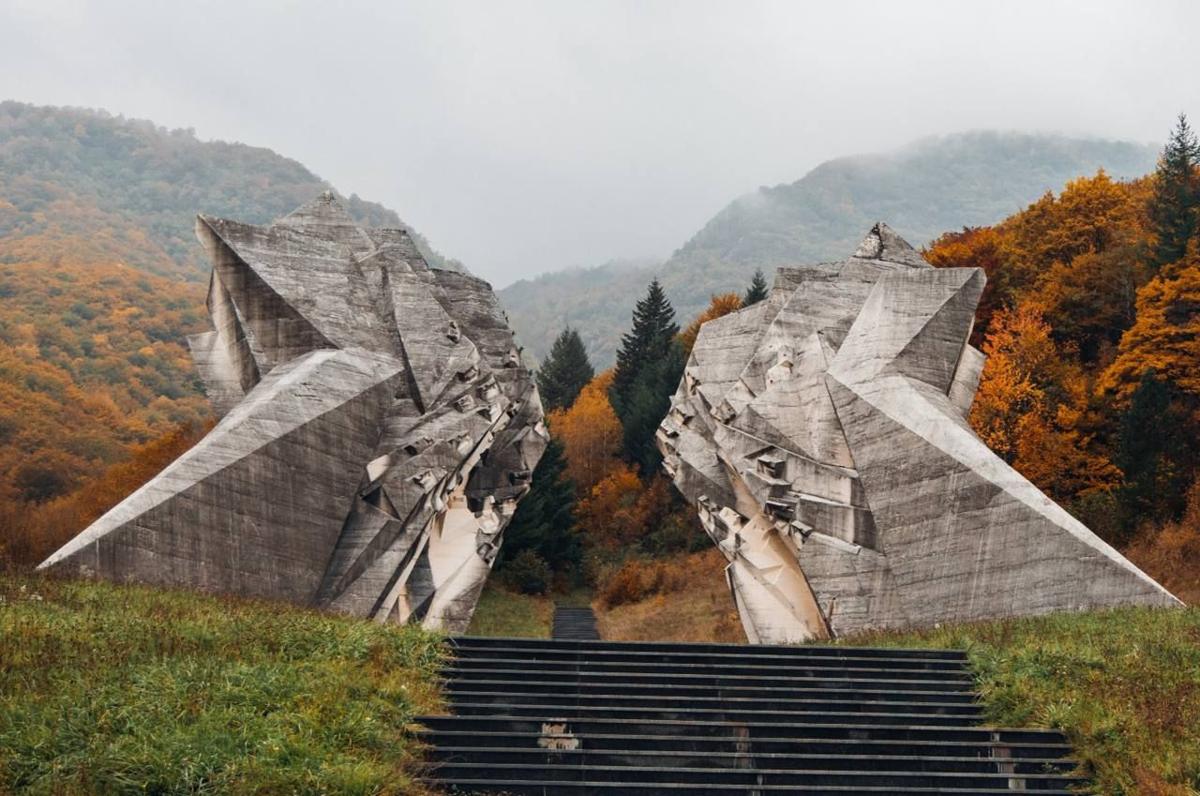
That's why the architects were given almost complete freedom. This is how concrete flowers, wings, crystals and abstract monuments appeared — and they still look futuristic today.
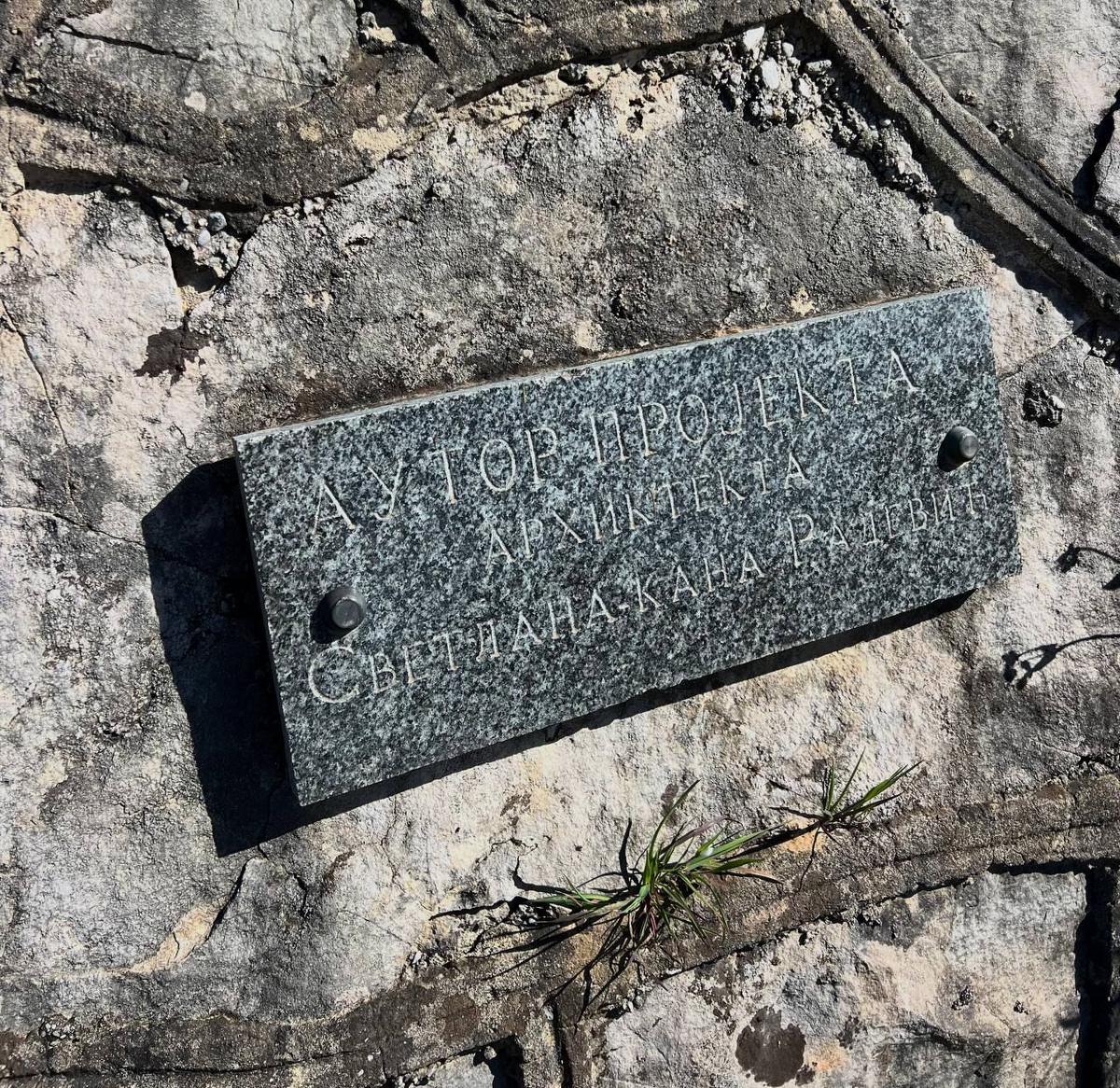
Many of them were created by well-known architects and sculptors of their time — for example, Bogdan Bogdanović or Jovan Soldatović.
After the break-up of Yugoslavia, a lot changed.
Some spomeniks were destroyed during the wars of the 1990s.
Some stand in the middle of a field, forgotten by everyone.
But there are also those that still give you goosebumps and have become a magnet for photographers, travellers and history lovers. That's how I gradually put together my own little collection:
— The Flame of Kosmaj — in memory of the Kosmaj partisan detachment
— Tjentište — in memory of the bloody Battle of the Sutjeska
— Crna Ćuprija — in memory of the victims of the 1942 Novi Sad raid
— Three Fists — at the site of the mass executions at Bubanj
— The Partisan Memorial Cemetery in Mostar
They're scattered all over the former Yugoslavia: Serbia, Bosnia and Herzegovina, Montenegro, Croatia, Slovenia. There's a map of spomeniks — they're not hard to find.
When you stand next to them, you can't help but feel awe at the scale of these giants and realise how much meaning has been poured into these concrete structures.
This is pain set in stone.
Pride.
Memory turned into a flame, a star, wings and stone.
Yes - This is the Balkans, baby!
Even memory is kept quite differently here.
Published 9 May 2026 · Open post in Telegram ↗