Some historical facts about Kovilj Monastery in the province of Vojvodina
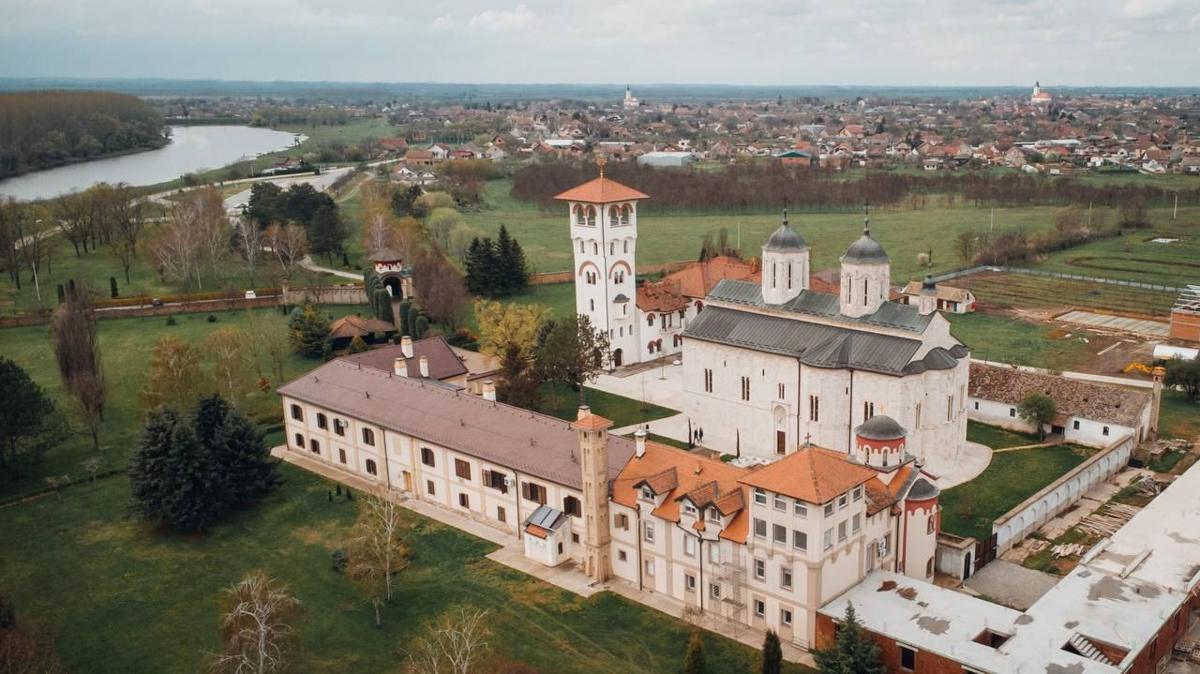
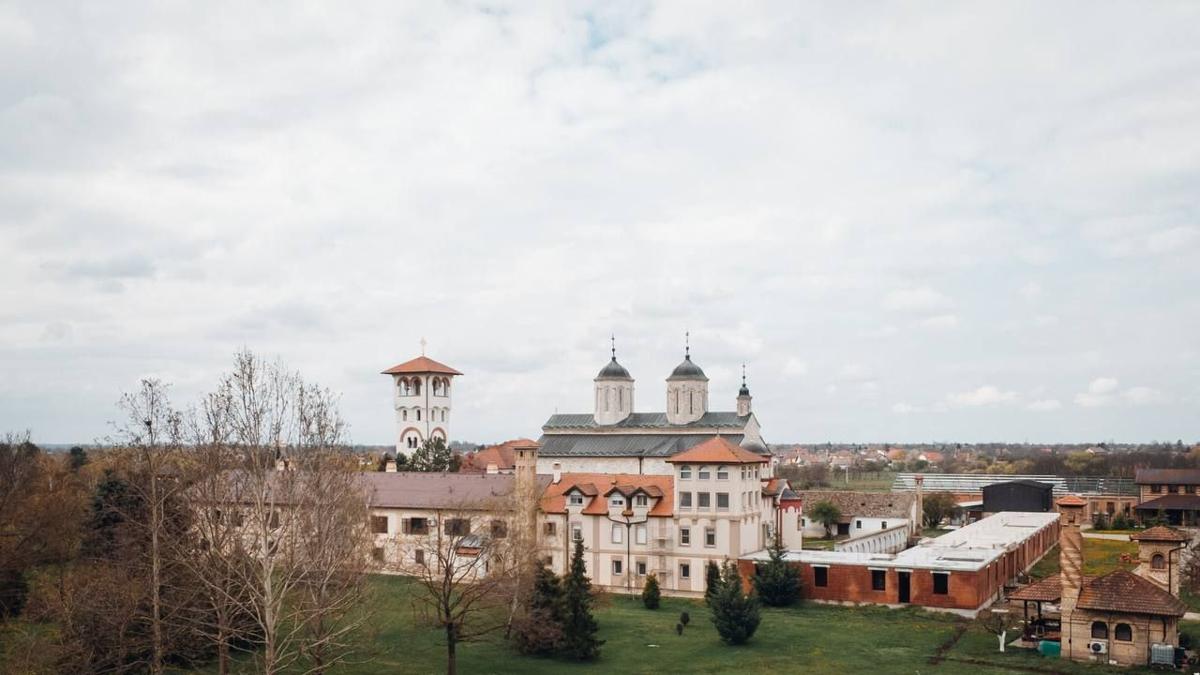
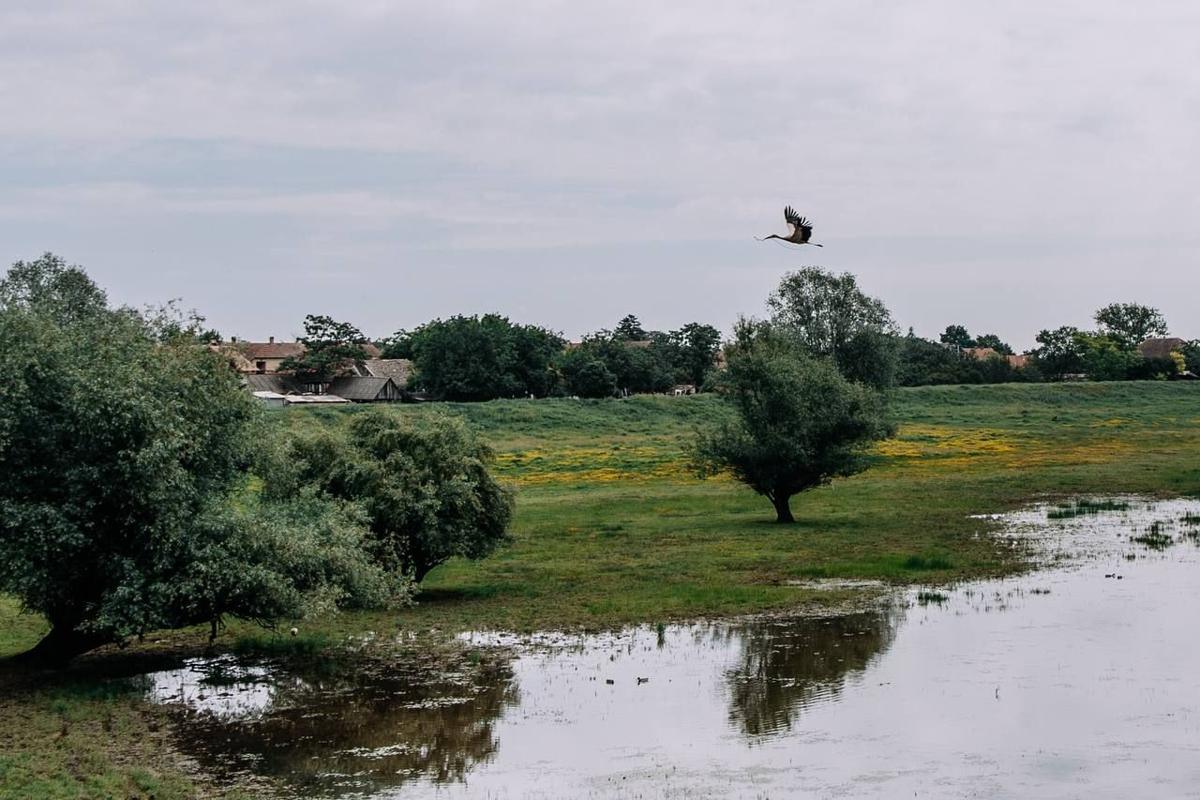
Kovilj isn't only famous for its storks. It's home to one of Serbia's most important spiritual centres — Kovilj Monastery. After being destroyed during Ottoman rule, it became a symbol of the revival of Orthodox culture and traditions in the Balkans in the 19th century.
Kovilj Monastery was founded in the 13th century, according to legend, by Saint Sava, the first Serbian archbishop.
The monastery's current stone church was built in 1741–1749 in the Serbian-Byzantine architectural style. It resembles the famous Manasija and Ravanica monasteries.
The monastery was destroyed several times — during the Ottoman wars, and also in 1849, when the monks were forced to leave because of the Hungarian Revolution. After their return, the monastery was looted and burned.
In 1758, Empress Maria Theresa issued a charter granting the monastery about 1,000 hectares of land, which helped it flourish.
In 1933 the monastery became a convent, but in 1941, during World War II, it was looted by the Hungarian occupation forces. The nuns were expelled and moved to other monasteries.
After World War II, the communist authorities confiscated almost all of the monastery's property, leaving it with minimal land and only a few monks. From 1980 to 1990 the monastery was practically abandoned.
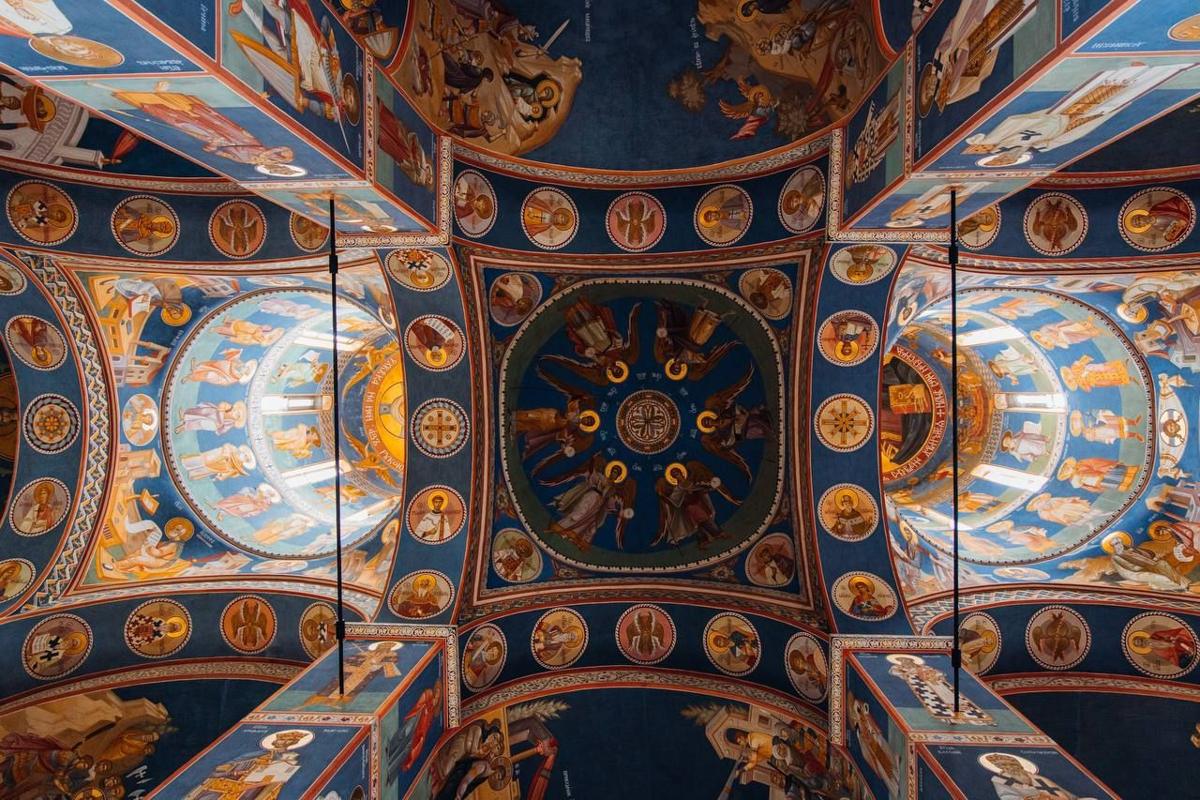
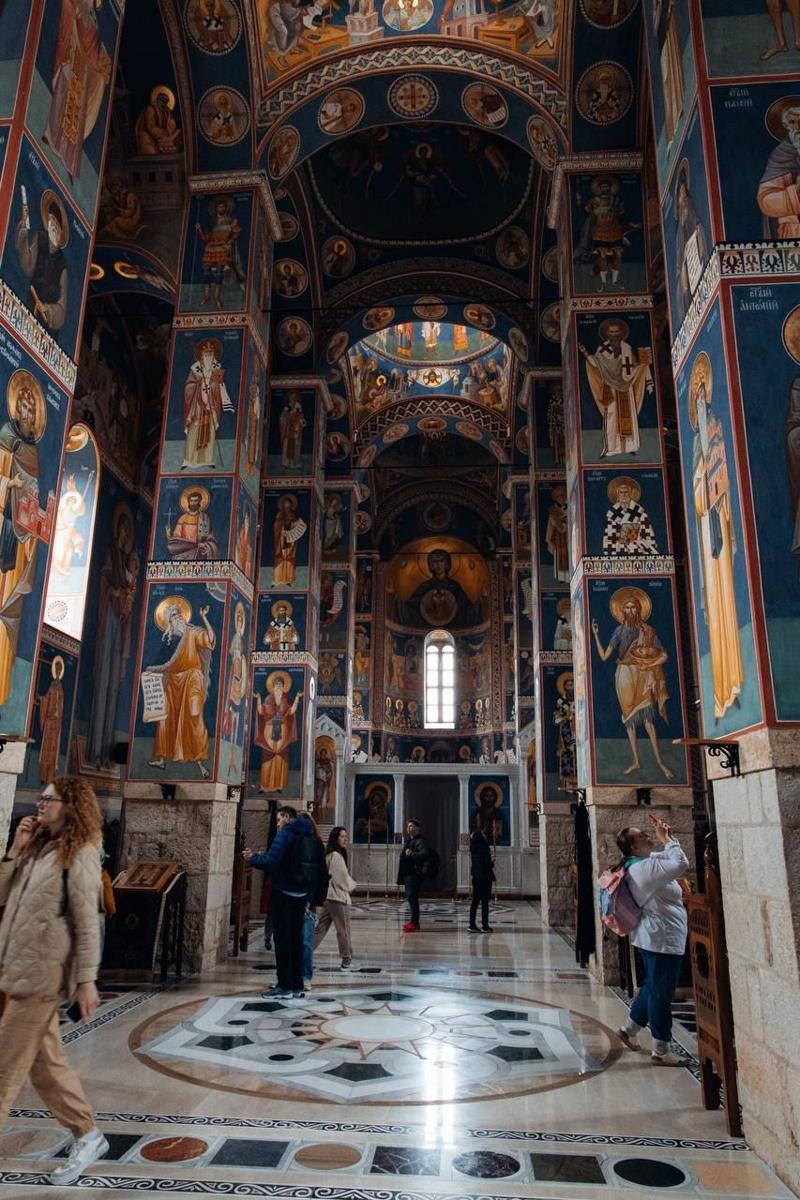
In 1990 the monastery was revived thanks to three hieromonks, including Porfirije Perić (the future patriarch), and the TV program "The ABC of Orthodoxy". Reconstruction of the monastery began in 2003, and the church was repainted in 2009.
Kovilj Monastery keeps ancient icons and relics of great importance to the Orthodox Church. Some of them are considered miraculous, and pilgrims believe that touching these holy objects can heal illnesses and help in difficult situations.
Through the restitution process, 1,000 hectares of land were returned to the monastery, and they are now farmed by the monks.
Today the monastery produces honey, brandy, cognac and liqueurs that are famous all over Serbia. The brotherhood also does farming, including a dairy farm and the making of candles and icons.
Kovilj Monastery is recognized as a cultural monument of Serbia and has been protected by the state since 1949.
Location of Kovilj Monastery
Published April 1, 2025 · Open post in Telegram ↗
In addition to the previous post.
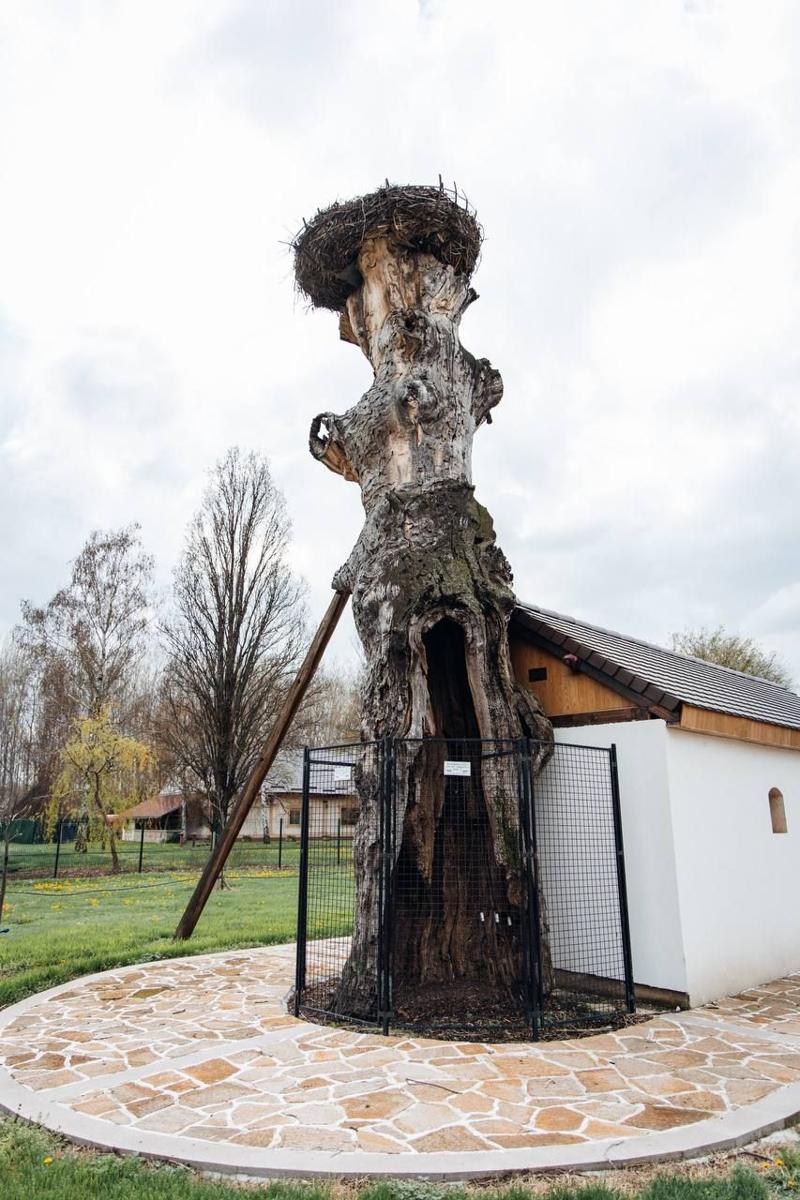
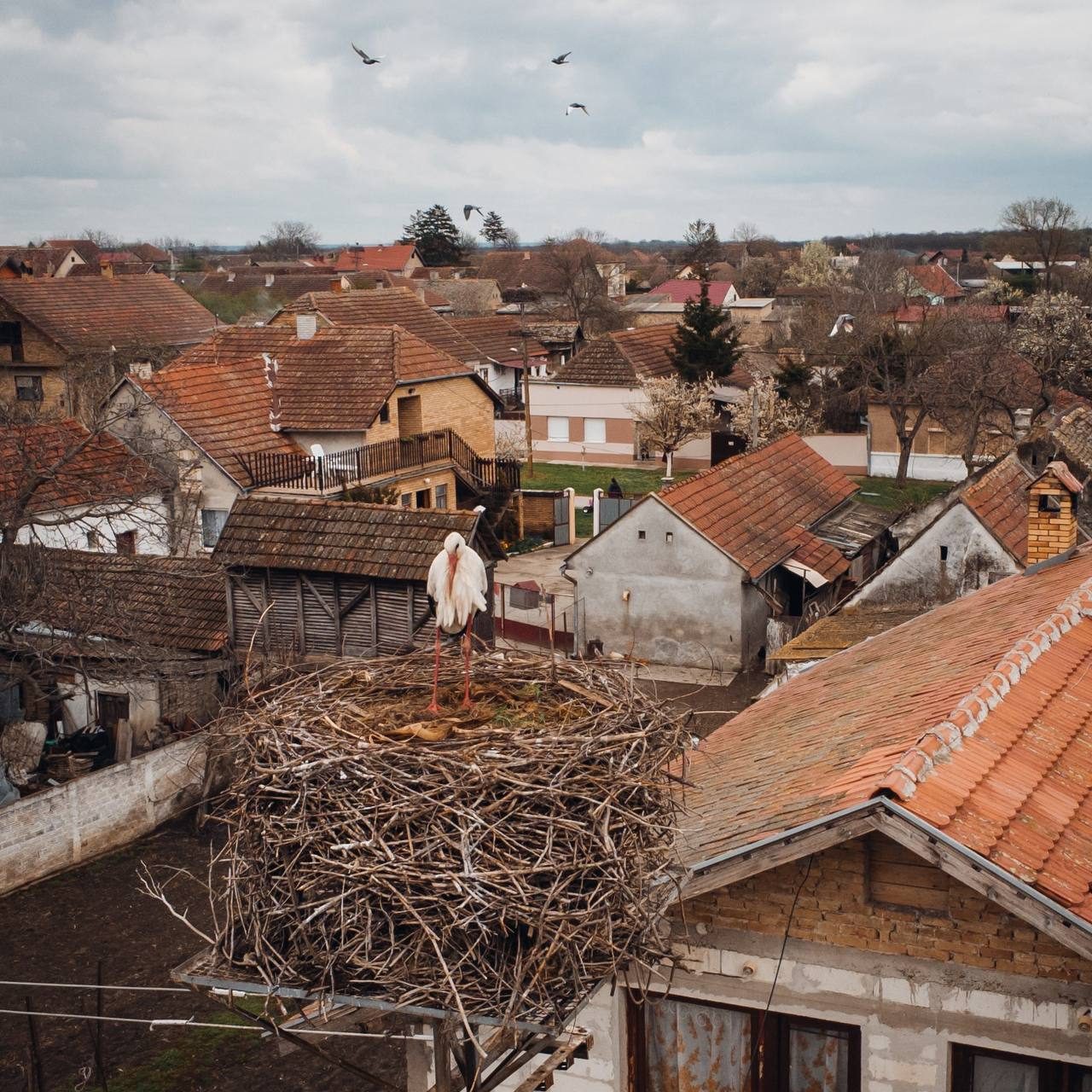
Right outside the monastery walls, on the side of the road to Gardinovci, stands the "vodica" chapel of Saint Petka. Next to it rises an old oak, with a stork's nest perched at the top. In some sources I came across the claim that this oak is about 600 years old. The trunk could fall apart any moment, even though it has been reinforced with rebar and props. But what makes this tree so famous that people tried to save it at any cost?
It turns out the chapel next to the oak was built in 1878 right over a well. The water in it was considered holy, and pilgrims and locals believed it cured many illnesses. The tree that has literally grown into the chapel was also considered miraculous. Today there are orchards all around, but once this little chapel stood in the middle of an oak forest. It was completely uprooted around 1885 to make room for a new village — Budisava. The well dried up a few decades ago. But locals passing the chapel still cross themselves.
Sadly, the tree died, and the nest is empty and overgrown with grass. The storks no longer come to it.
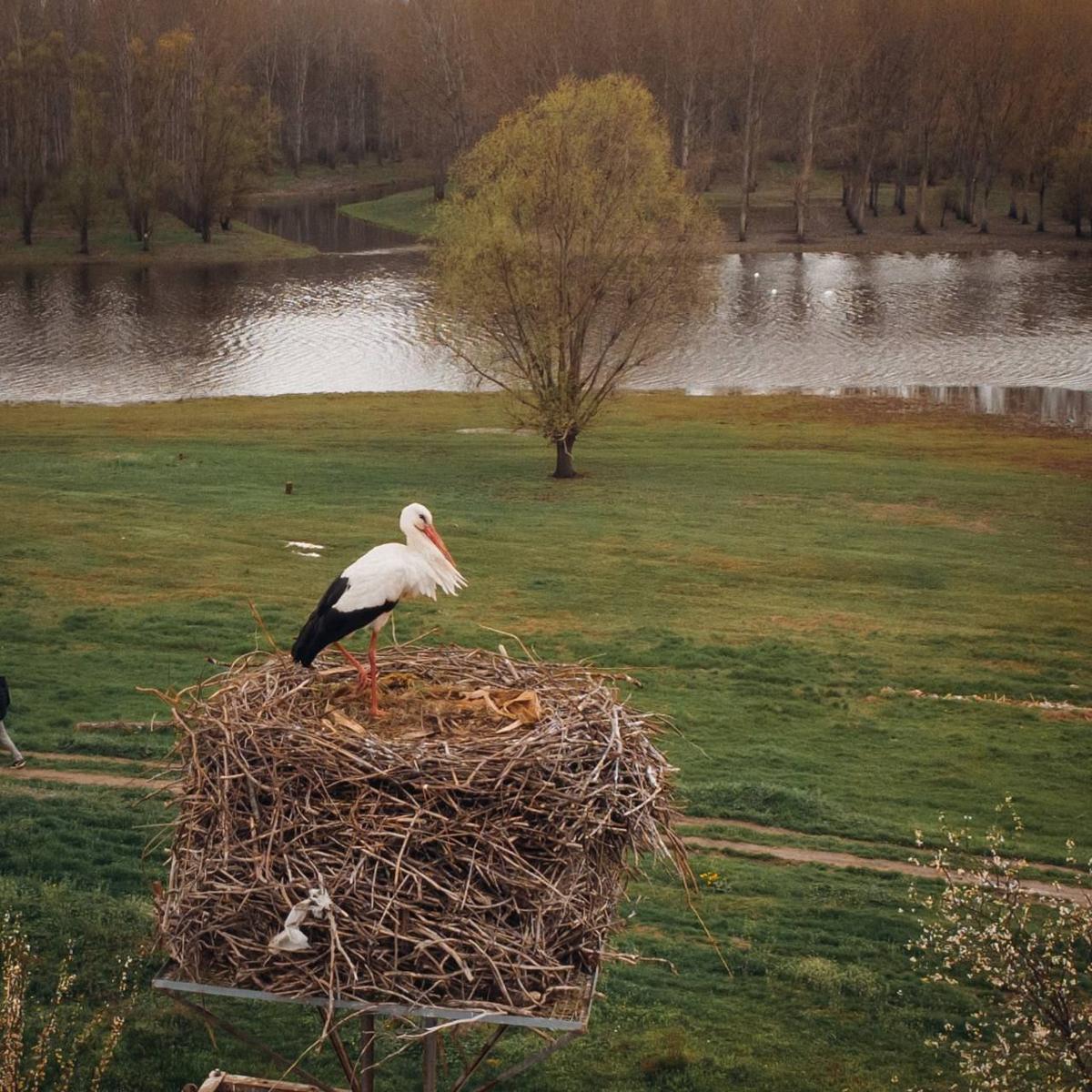
Upd. The storks are back in the nest)
Published April 2, 2025 · Open post in Telegram ↗
Photo walk around Kovilj and Akumincum
We visited Kovilj and Acumincum — and absolutely loved it! Now it's your turn!
We're planning a photo walk around Kovilj and Acumincum for April 12! We're going to see storks in their nests and explore the ruins of an ancient fortress.
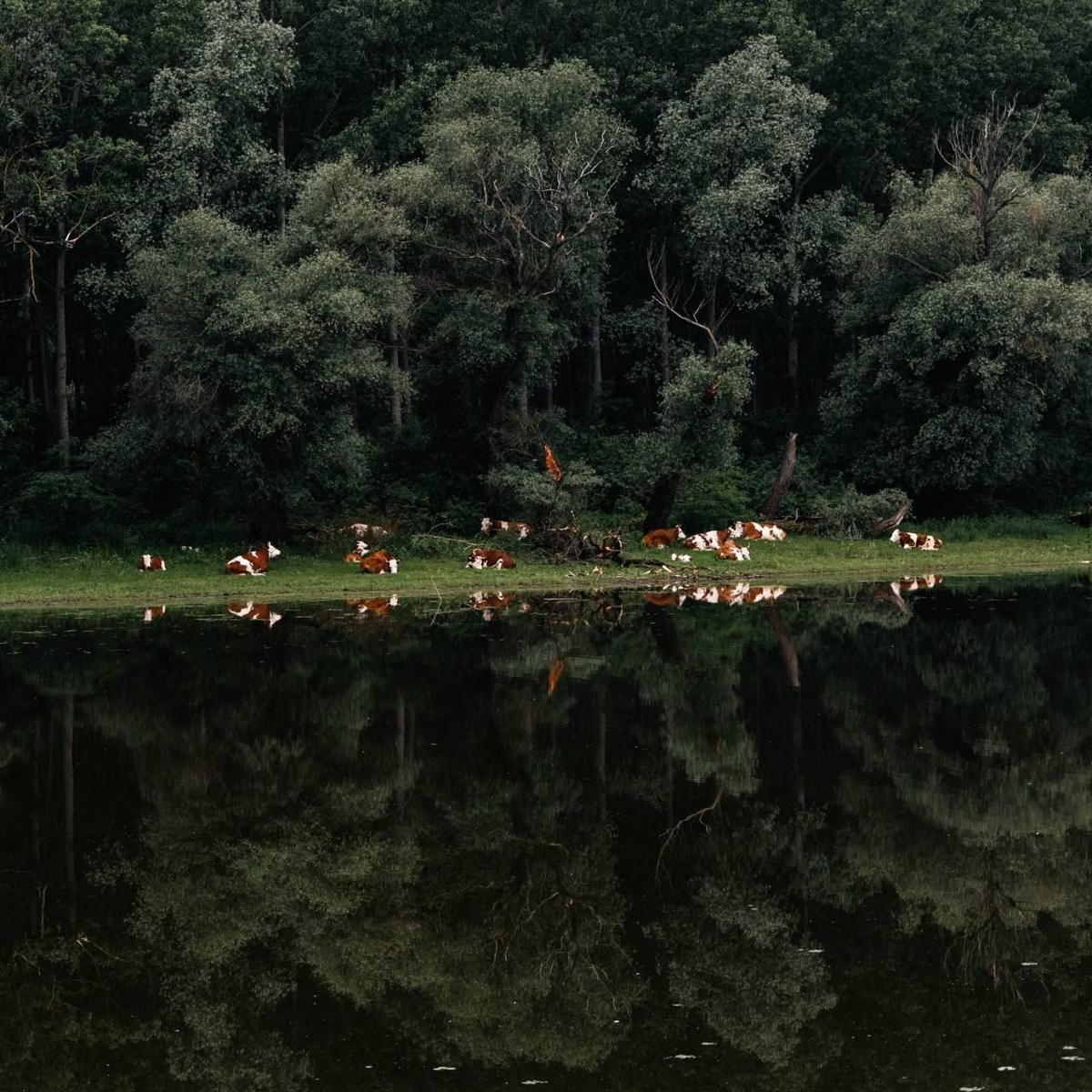
The plan: we'll start in Kovilj: stroll through the picturesque countryside, admire the horses, cows and swans — and photograph them all! We'll walk to Kovilj Monastery, counting storks in their nests along the way and marvelling at their grace. By then the baby storks may even have hatched. We'll definitely look into the monastery. For lunch we'll try local specialities: fish čorba, fried carp, zander and sturgeon — wonderfully good!
Then we'll hop on the bus and head to the unique little town of Acumincum. Here, on a prominent trapezoid-shaped loess hill on the right bank of the Danube, there once stood an ancient fortification and later the medieval fortress of Acumincum. Just imagine, artifacts found in this area testify to the presence of the Celts and the Roman Empire.
Today, all that remains of the once-legendary fortress are ruins, which offer one of the most beautiful views of the Danube and the Bačka plain. And we'll definitely admire it together, after a short climb that a five-year-old handled easily. We'll walk around the hill and soak up the energy of this unique place.
Then we'll go down to one of the oldest surviving buildings in Acumincum, which now houses a winery. The hospitable owner will tell us about his unique winemaking method and show us around the former parish house, whose cellar still holds the remains of a 16th-century Turkish bath, as well as the winery itself.
So, a relaxed photo walk through the countryside along the Danube awaits us. Along the way we'll watch the life of Balkan farmers. We'll have a glass of wine at the winery. And we'll enjoy nature, fresh air and great company.
One undeniable plus: the drive takes just an hour from Belgrade.
Price: 50 euros.
Includes: transfer, guide, winery tour and a glass of wine.
Extra costs: lunch and wine (if one glass turns out not to be enough).
Prices for the winery's additional services are listed in the comments.
Sign up in the comments
Published April 2, 2025 · Open post in Telegram ↗
Life in "polako" style
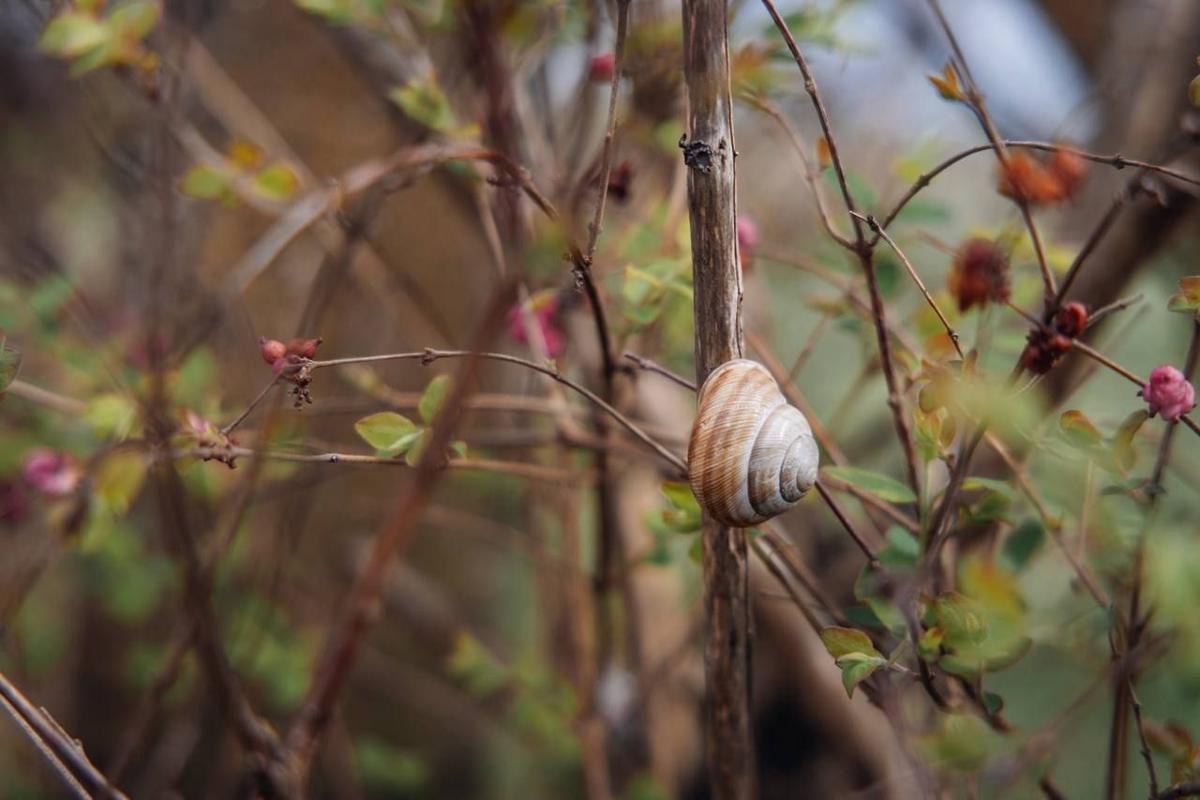
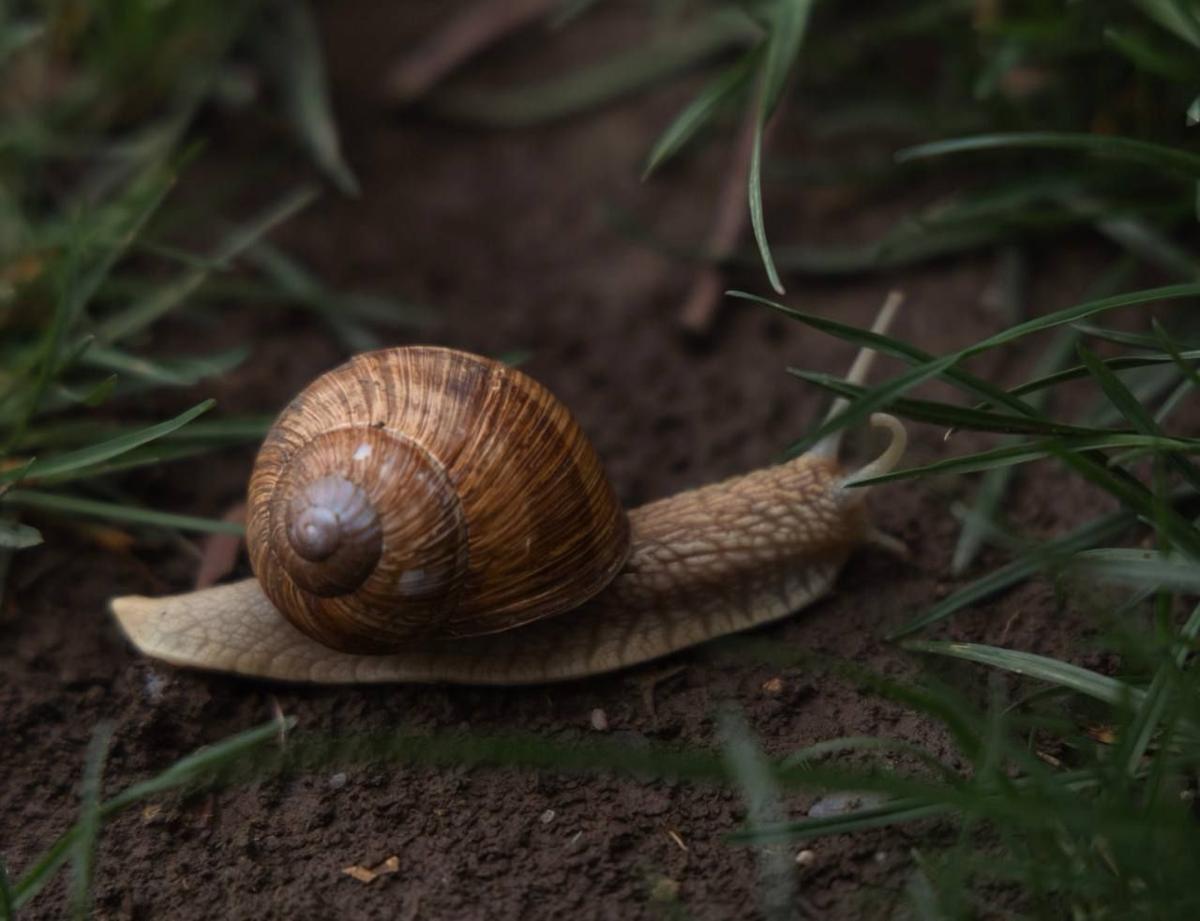
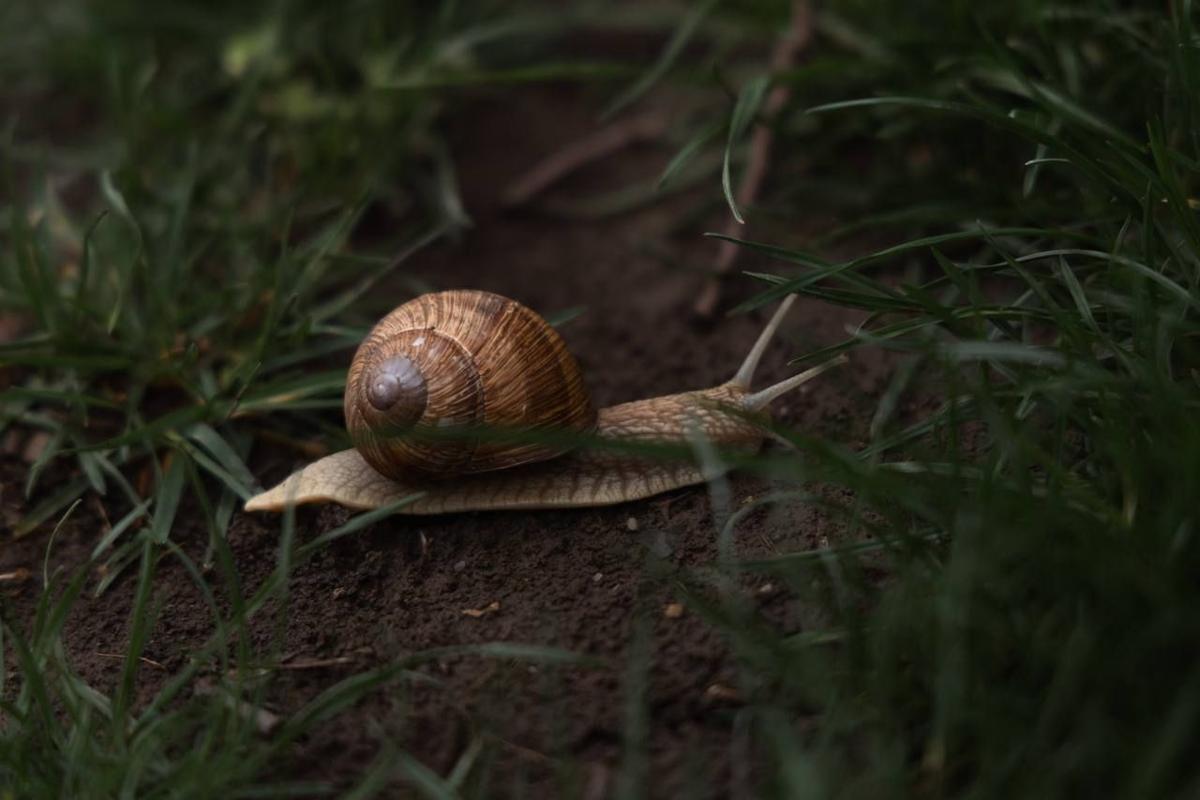
Plenty of nature shots were taken during our last photo walk. This beauty ended up in my photo shoot at Kovilj Monastery.
Meet the Roman snail, a real star among gastropods and a totem resident of the Balkans. Its scientific name is Helix pomatia, and it's one of the largest snails in Europe. It's native to Central and South-Eastern Europe, but can now be found almost everywhere except the far north of the continent.
These snails especially love crawling around gardens, parks and shrubs. In summer they are active, but in winter they go into hibernation — they bury themselves 30 cm into the ground and seal their shell with a mucus plug. In this state, like true Balkan people, they can "rest" for up to 3 months!
In the wild, Roman snails live 7–8 years on average, but can reach 20 if predators don't get them. In captivity they're real long-livers: one pet snail lived to 30!
Appearance
The snail's shell is a spiral 3–5 cm across, with lovely stripes. It helps the snail shelter from the heat and keep moisture in. The body is beige-brown and wrinkled, which also helps retain moisture, like a proper thermos.
How it moves
The snail moves on the "slow but steady" principle. It secretes mucus to glide, and does so at a speed of 7 cm per minute.
Reproduction and "love darts"
These mollusks are hermaphrodites, meaning they can be both male and female at the same time. In the mating season they exchange love darts (no, not weapons, but calcium plates) to stimulate reproduction. The mating itself lasts about 2 hours — romance in the snail world!
Uses
Roman snails are not only "regulars" at French restaurants, where they are prepared as a delicacy (escargot), but are also valued in medicine. Their mucus is used to make extracts that help with respiratory diseases.
So if you come across a Roman snail on your path, show it some more respect) know that it's not just a "gastropod" mollusk, but a whole way of life!
Published April 3, 2025 · Open post in Telegram ↗
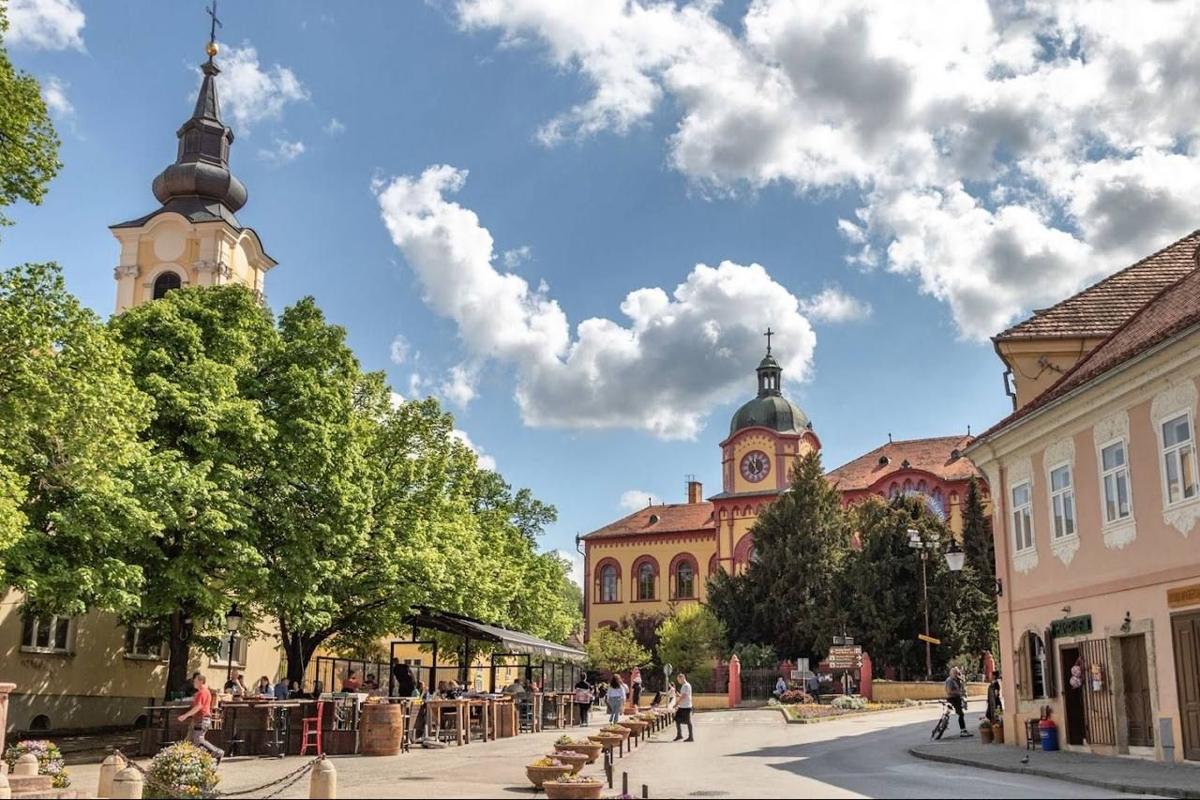
Kovilj village: a place to slow down
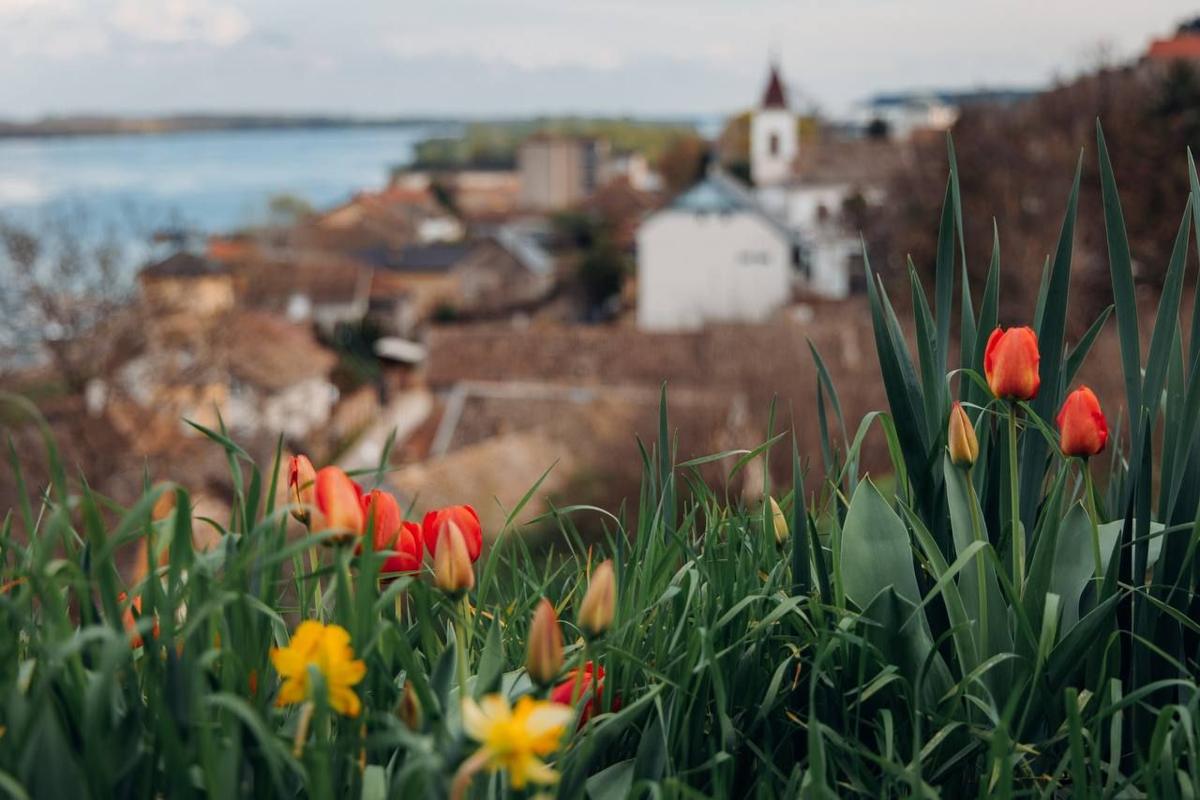
The village of Kovilj seems like the perfect illustration of rural life. The best place to slow down and soak up nature. No matter how many times I've been there, it's always beautiful
Published May 20, 2025 · Open post in Telegram ↗
A Serbian farm where you can pet the animals
Serbia really is an extraordinary country.
When you expect nothing special, you often end up with amazing discoveries.
You'd think: what could possibly be interesting on an ordinary village farm? A petting zoo at most, and that's it. But no. This is a Serbian farm — everything is different here. There are no designer enclosures — it's all simple and unfussy, like a real farm, yet it doesn't feel like a zoo at all. The animals are very social and friendly, and the atmosphere is very warm.
Here they'll tell you a story about every animal, let you hold it, pet it… or honestly explain why you'd better not!
And all of it with humor and, nicely enough, even in Russian. The owners are an actor from the Novi Sad theater and his wife. The farm once belonged to the family's grandfather, and now they carry on his work.
The zoo is open only a couple of times a week, on weekends.
It's located in a perfectly ordinary long Vojvodina courtyard. You open an inconspicuous door — and find yourself in some kind of rural Narnia.
Almost all the "classic" farm residents live here:
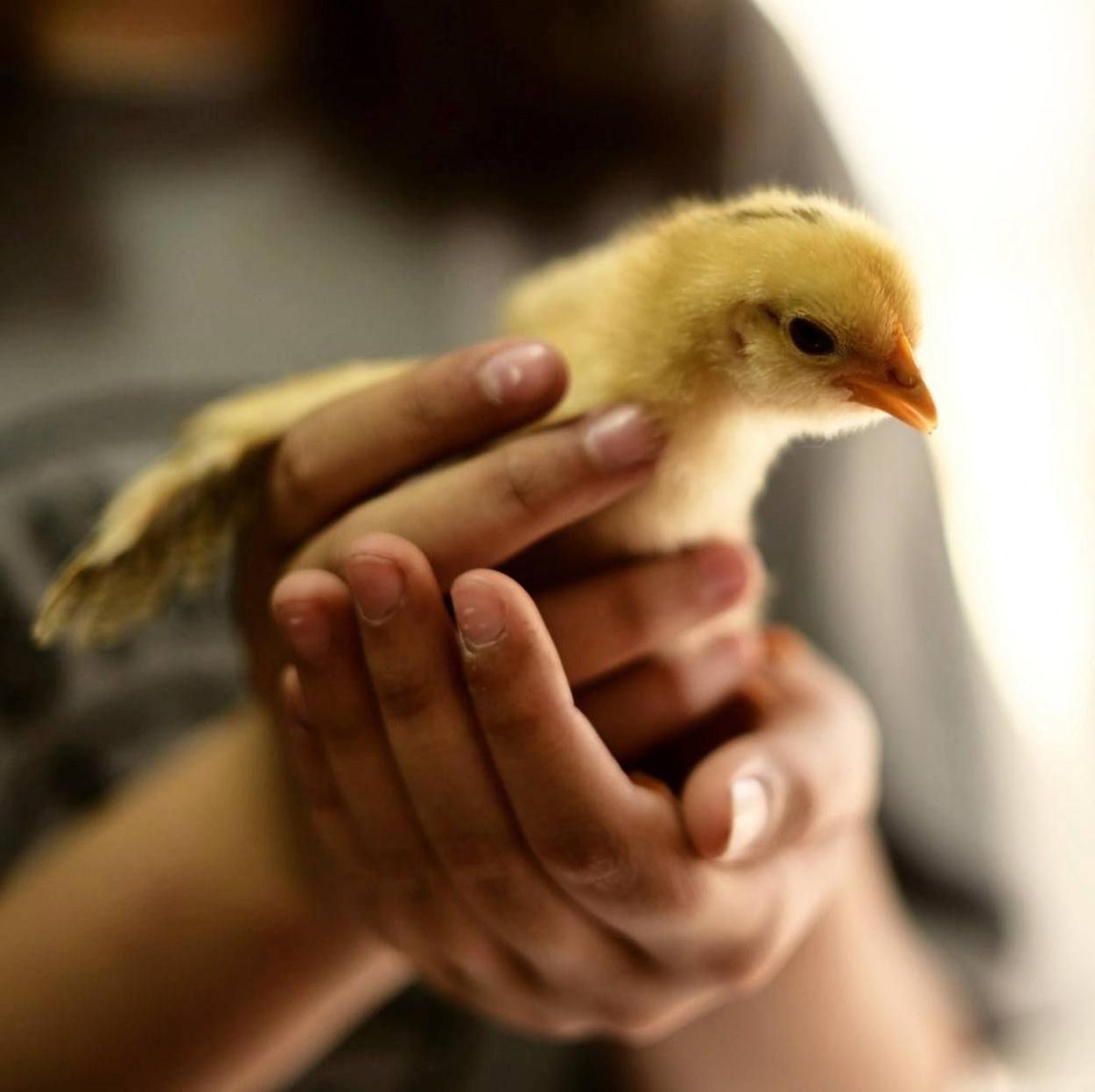
chicks, 🦃turkey poults, kittens, baby goats and their parents, a goose who loves to hug, and a gander who… only bites men)
There are stars here too.
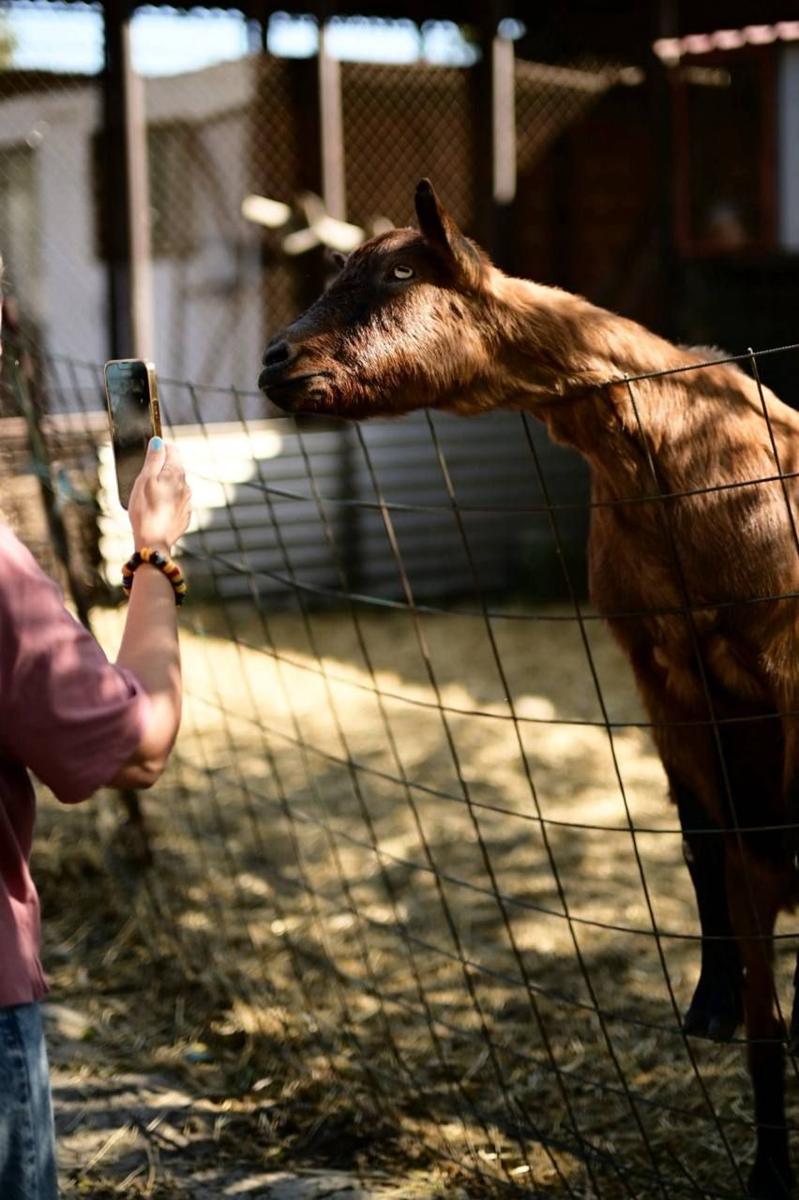
For example, the princess goat — she used to live in an apartment in Belgrade, a real big-city girl.
Now she lives in the village in an enclosure with a ram. She's jealous! Better not pet the ram in front of her. And all the carrots, obviously, are hers alone!
And next to them, two peacocks, the leaders of two countries, live together in peace: one is named Donald — guess the other one's name yourself)
The sweetest of the bunch is a teenage donkey; you simply can't walk away from him.
A biting horse (though for apples 🍎 he's ready not to bite), a pony, a deer.
Plus turtles, parrots, rabbits, rock'n'roll chickens and three little pigs in a wooden house.
And most importantly — you can touch, feed and pet all these guys, and, importantly, they like it!
For us city folk, it's pure happiness.
I came out inspired and happy: I petted my fill, held chicks on my head, a goose hugged me around the neck, and a horse even gave me a kiss 😄 Perfect for kids and adults!
And of course, the owners themselves are a special treat.
They'll show you everything, tell you everything and even treat you to nettle juice.
We'll stop by here on May 9 — we'll pet everyone, feed everyone and get our dose of happiness.
There are still spots left, join us.
And if you have a car, you can come on your own.
Just don't forget apples and carrots… and leave a donation for the upkeep of this furry crew!
Thanks for the photos to EDSHOTS
Published May 4, 2026 · Open post in Telegram ↗
Will you join us next time?
Announcements of hikes and trips, the weekly what's on and new places appear in the channel first.
Where else to go