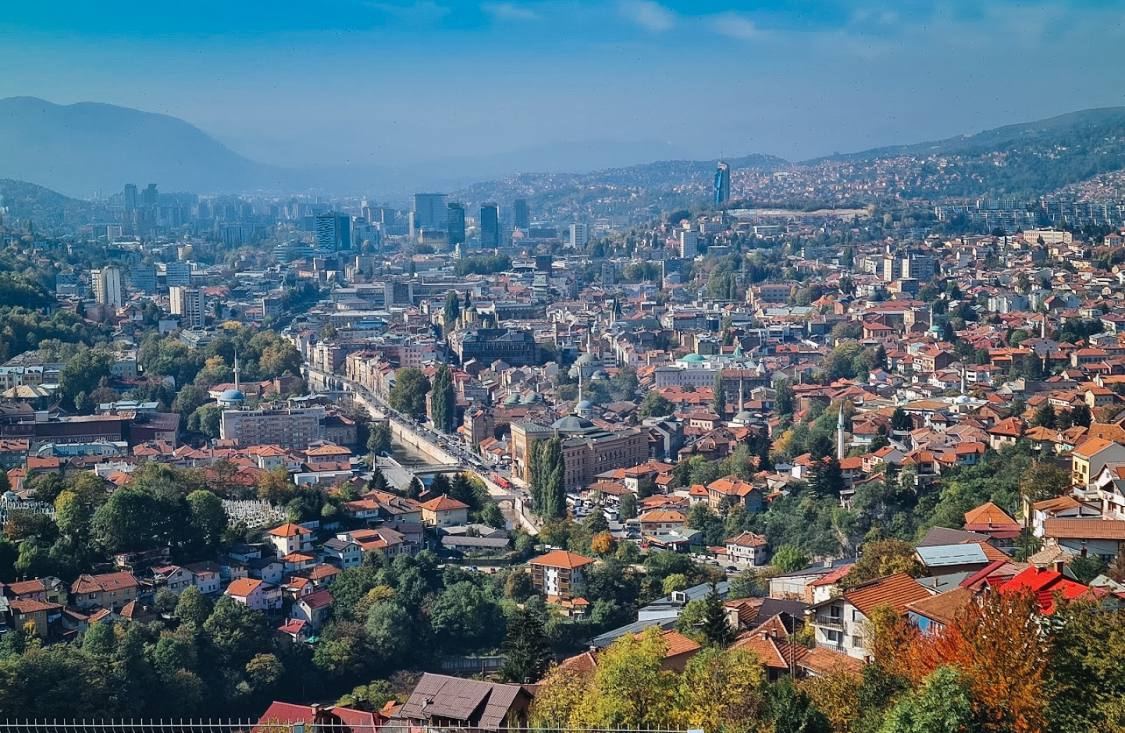
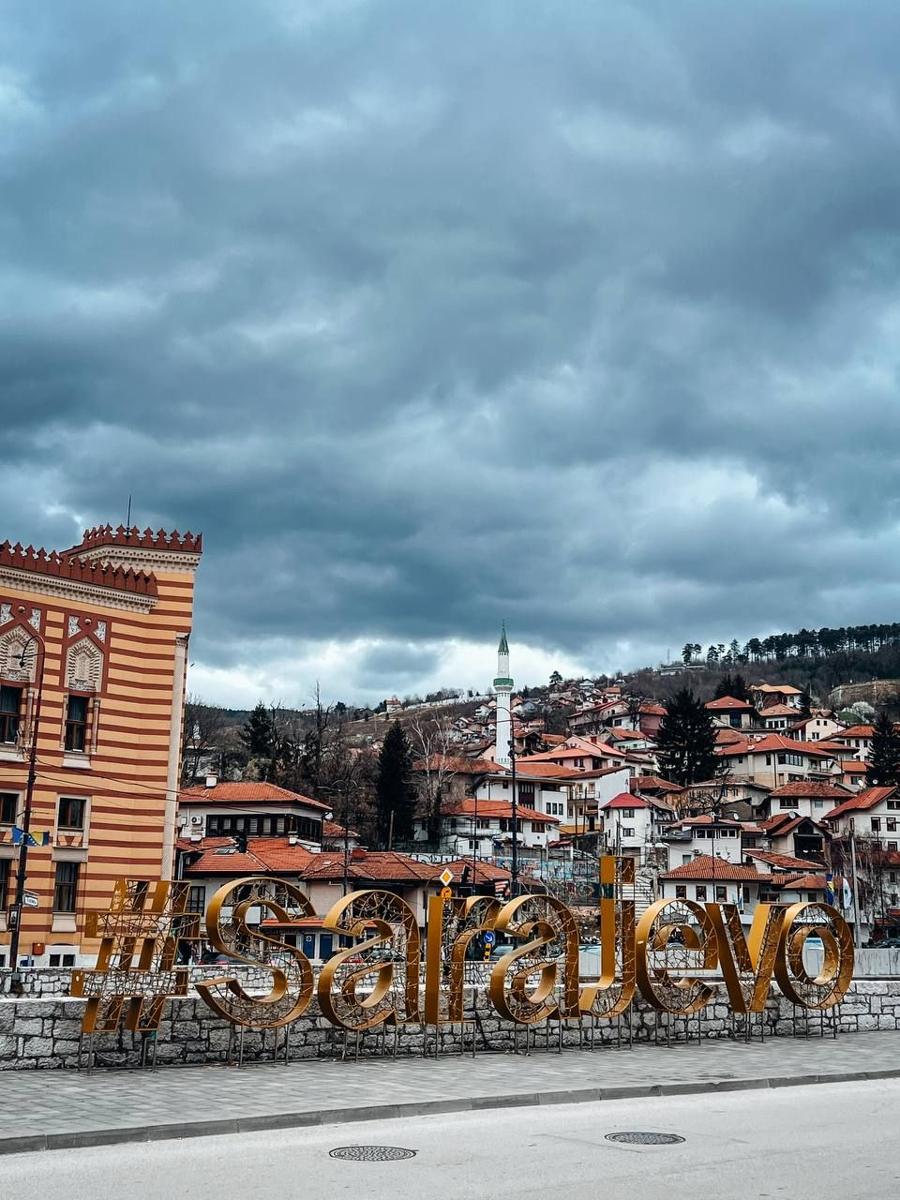
Sarajevo guide, part 1: parking and Inat Kuća
Ahead of the long holidays, I'll be sharing tried-and-tested places in Bosnia and Montenegro.
And to start, the promised guide to Sarajevo. Part 1
1. Parking (paid by the hour)
The Old Town in Sarajevo is compact, so I recommend parking here and strolling around at your leisure. Parking will be tight, especially during the holidays.
https://maps.app.goo.gl/FpSy6E6NXHT8g2Pz9?g_st=com.google.maps.preview.copy
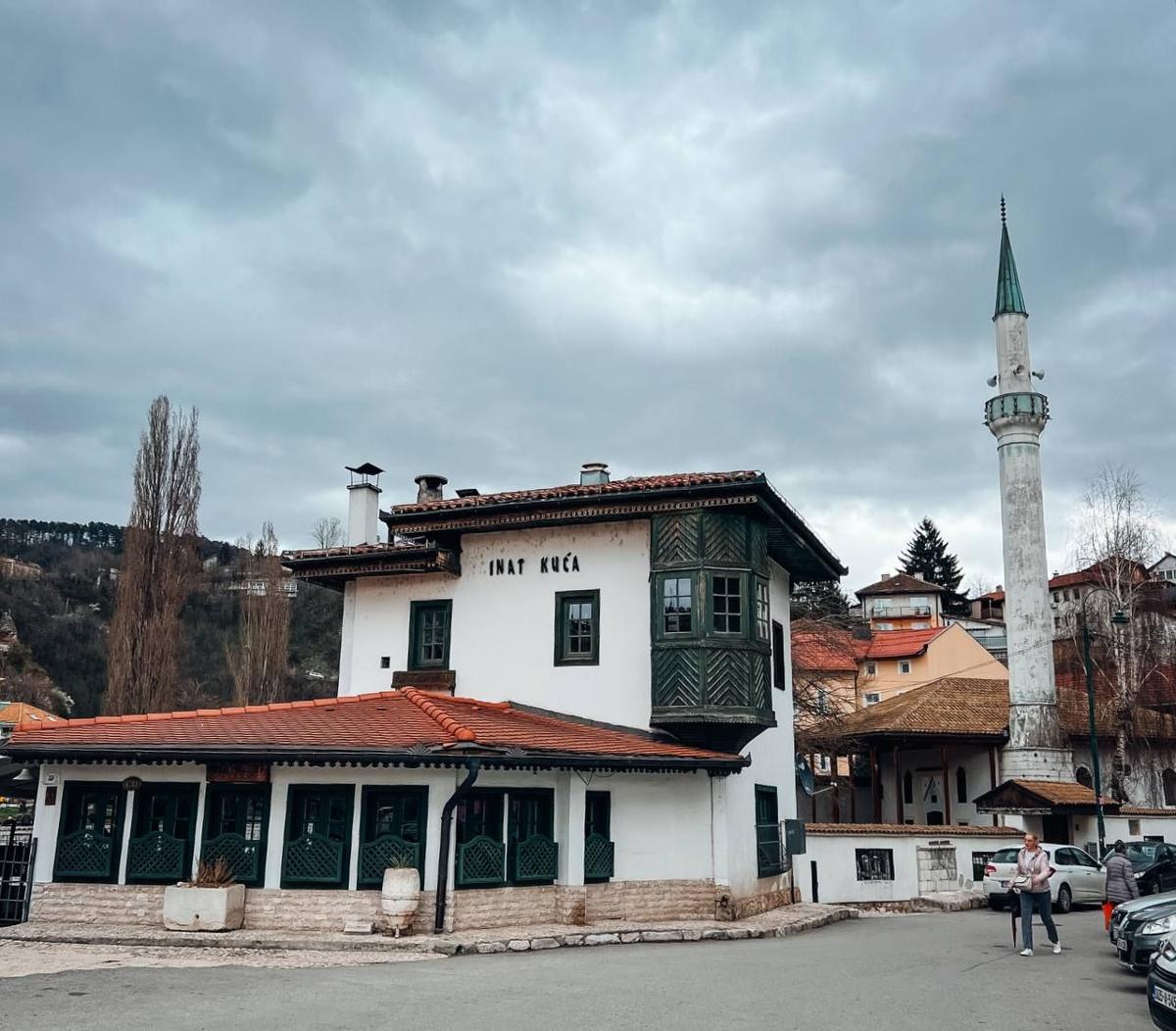
2. Inat kuća (next to the parking)
"Inat Kuća" is a symbol of the stubbornness and independence typical of Bosnians.
At the end of the 19th century, while building the Vijećnica city hall, the Austro-Hungarian authorities needed to demolish several houses. The owners agreed to generous monetary compensation — all except one resident, Benderija. He got on the authorities' nerves quite a bit with his refusals and in the end agreed only on the condition that his house be moved to the opposite bank of the Miljacka river, stone by stone, and that he be paid compensation in gold. The authorities met these demands, and the house got the name "Inat Kuća", which can be translated as "The House of Spite".
Since 1997 the building has housed a restaurant of traditional Bosnian cuisine. It has good reviews and a 4.5 rating on Google.
https://maps.app.goo.gl/QVtuBTfprd1bAaSa6?g_st=com.google.maps.preview.copy
3. All roads in Sarajevo lead to Baščaršija — it's the heart of the city and this is where the main sights are concentrated. I'll highlight the ones that stuck with me most.
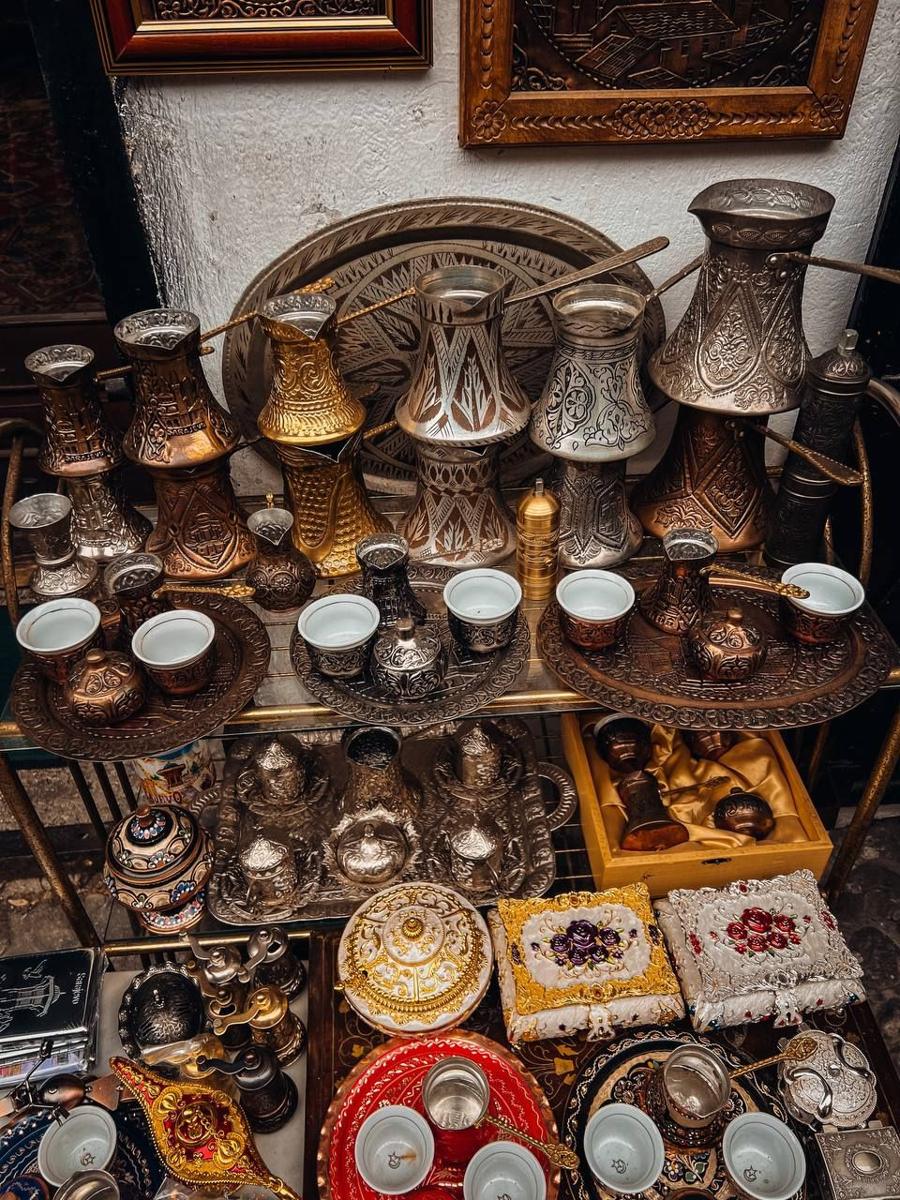
Coppersmiths' Street
Here you can watch craftsmen at work and buy souvenirs. I highly recommend the local coffee pots (džezvas).
Check the comments for a guide's tips on how to choose a handmade coffee pot.
https://maps.app.goo.gl/RCZFXQeQbZvoKYN36?g_st=com.google.maps.preview.copy
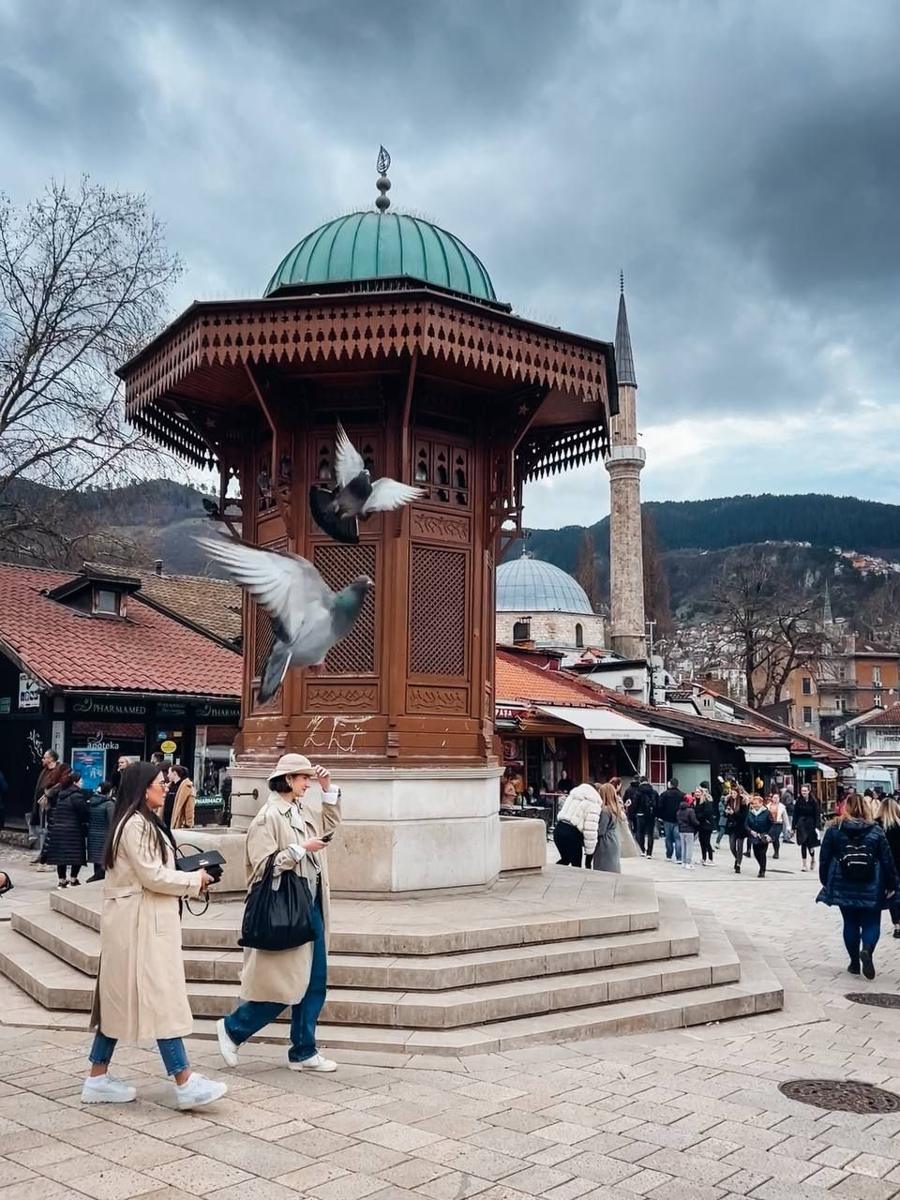
4. Sebilj
The Sebilj is a wooden fountain where those who wished could quench their thirst; at times a queue of caravans stretched for a kilometre. In Islam, the tradition of giving out water as charity has existed for 13 centuries. Today this Sebilj remains the only one of its kind, although it is believed there were once more than 100 such fountains. They all burned down in the great fire of 1697.
https://maps.app.goo.gl/3wTDgYwKynrprzJ77?g_st=com.google.maps.preview.copy
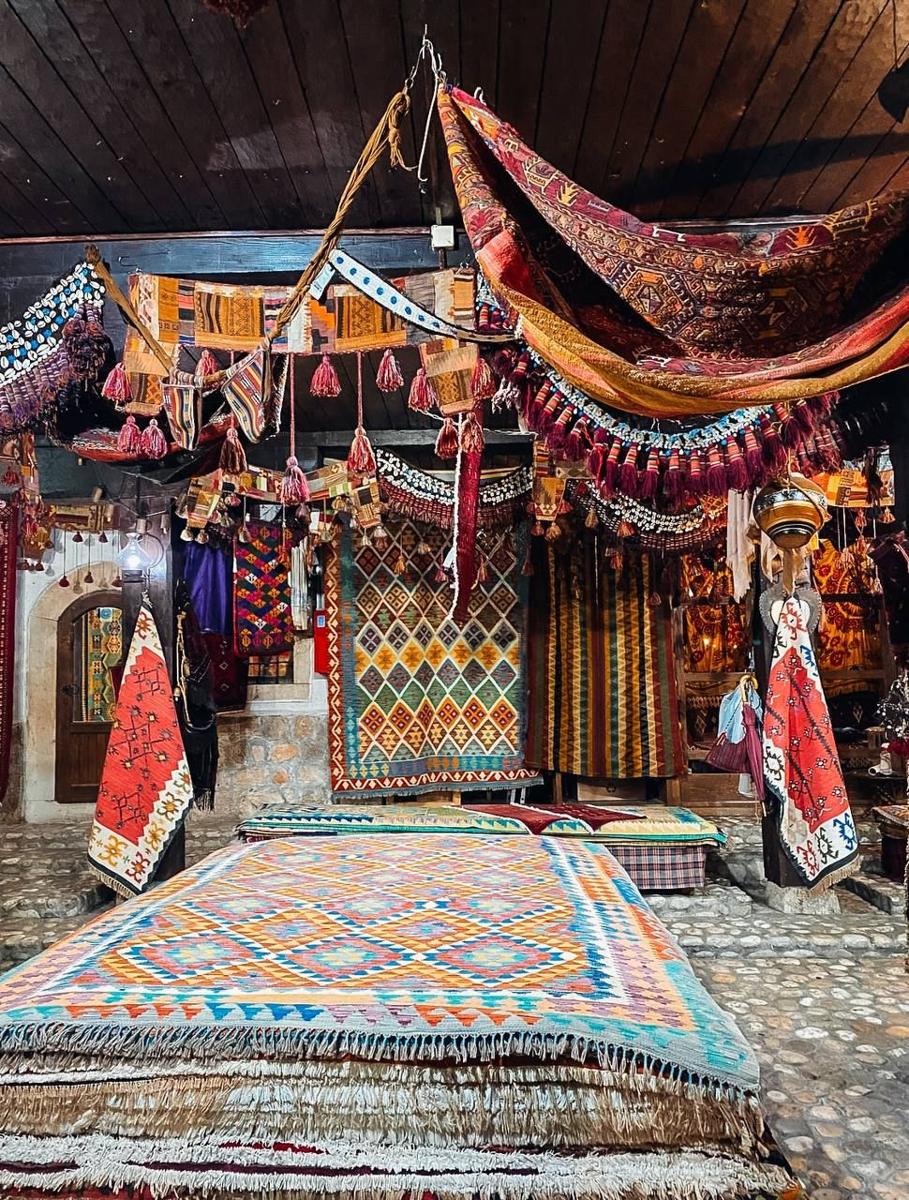
5. The caravanserai, where carpets have been traded for centuries and still are today.
https://maps.app.goo.gl/DWk5xnCwvPKABRMJ6?g_st=com.google.maps.preview.copy
6. Gazi Husrev-beg Mosque
The country's largest mosque, built in 1532, one of the main Ottoman religious complexes in the Balkans.
https://maps.app.goo.gl/QkxdkDtraMDUs8Fx7?g_st=com.google.maps.preview.copy
7. The former Madrasa, now Gazi Husrev-Beg's Museum
A museum where you can see manuscripts of the Holy Quran and decrees of the sultans of that period. Entrance costs 5 KM. Next door is the oldest library in Bosnia.
https://maps.app.goo.gl/3QnKzpJ7EjTA1Xe76?g_st=com.google.maps.preview.copy
8. Sahat Kula clock tower
It's about 30 meters tall and was built in the 16th century. It's the only clock of its kind in the world still running on lunar time. Local resident Mensur Zlatar has been looking after it since 1967, climbing its 76 steps at least once a week to make sure it shows the right time.
https://maps.app.goo.gl/MFLxRhDNd14BJKfHA?g_st=com.google.maps.preview.copy
Continue reading here. Part 2 of the Sarajevo guide
from here on, this icon means the place is pet friendly
Share your tried-and-tested places and tips in the comments. Cafés and restaurants you especially liked
Published April 14, 2025 · Open post in Telegram ↗
For road-trippers. A guide to Sarajevo. Part 2
You can read Part 1 here
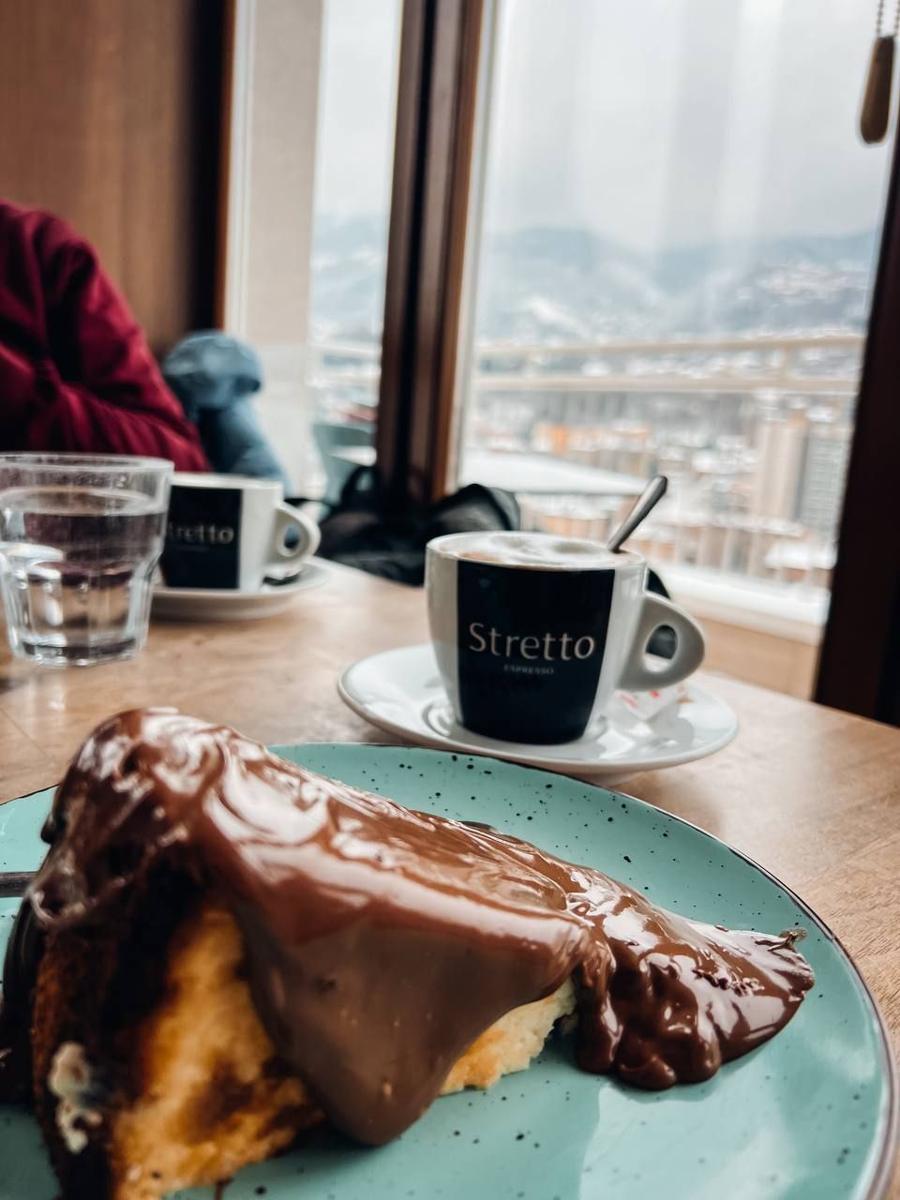
9. Let me start with the trump cards. A café with a 360° view of Sarajevo and an open terrace. Few people know about it, even though it's right in the centre. It's located in the local skyscraper, in the Hecco Deluxe View hotel building – to get there you need to take the lift up to the 9th floor.
It's called Jatov neboder, Google rating 4.9
They serve soft drinks, coffee, desserts… I recommend the cheesecake with chocolate topping, it was delicious. Photos 1–3
https://maps.app.goo.gl/XZCFBMj7xR6WbtBS9
10. Sacred Heart Cathedral (Catholic), 1889
Very beautiful from the outside; unfortunately I didn't go inside. Photos 4–5
https://maps.app.goo.gl/82cwM5rzLDJN8ATt7?g_st=com.google.maps.preview.copy
11. Cathedral Church of the Nativity of the Theotokos
The only Orthodox church in Sarajevo.
The iconostasis and icons of this church were a gift from Russia. By order of Alexander II, six craftsmen carved and installed the iconostasis in Sarajevo. Then gilders arrived and covered it with gold leaf. The icons were painted at the Sergiyeva Hermitage on the initiative of Hegumen Ignatius. The work was financed by the tsar's family and other donors. Vestments for the priests were also sent from Russia. (free entry for Russians) Photos 6–7
https://maps.app.goo.gl/1ivPnc3YL2Pq5RgH7?g_st=com.google.maps.preview.copy
12. Tašlihan
In the 16th century Sarajevo became a major trading city, and Tašlihan was built to house merchants — the largest han, and a stone one (a han is an inn; "taš" means stone). It was built by masters from Dubrovnik. The architecture combined Ottoman and Dalmatian styles. Construction was completed in 1543. The han could accommodate up to 90 people. The courtyard was so large that a mosque was placed above the fountain. The ground floor held warehouses and stables, the upper floor — guest rooms with fireplaces. Next to it they built the Bezistan, a covered market. Over time Tašlihan fell into disrepair and burned down in 1879. It wasn't restored; instead the first European-style hotel, "Europe", was built next to it. Photo 8
https://maps.app.goo.gl/5BF47bLgjRTn6gfPA?g_st=com.google.maps.preview.copy
13. The spot where Gavrilo Princip was standing when the car carrying Franz Ferdinand turned there by mistake.
Gavrilo Princip was a Serbian student and a member of the Young Bosnia organisation, which fought for the liberation of the Slavs from Austro-Hungarian rule. On 28 June 1914 in Sarajevo he shot Franz Ferdinand, heir to the Austro-Hungarian throne. This shot became the trigger for the start of the First World War – the largest conflict of the early 20th century, which changed the map of Europe and the course of world history forever.
(the event that started the First World War) Photo 9
https://maps.app.goo.gl/9gdmp5Fw8XoefDR48?g_st=com.google.maps.preview.copy
Read Part 3 of the Sarajevo guide here
Share your finds in the comments. Let's add to the guide together
Published April 15, 2025 · Open post in Telegram ↗
Sarajevo guide, Part 3.
Sarajevo guide, Part 1
Sarajevo guide, Part 2
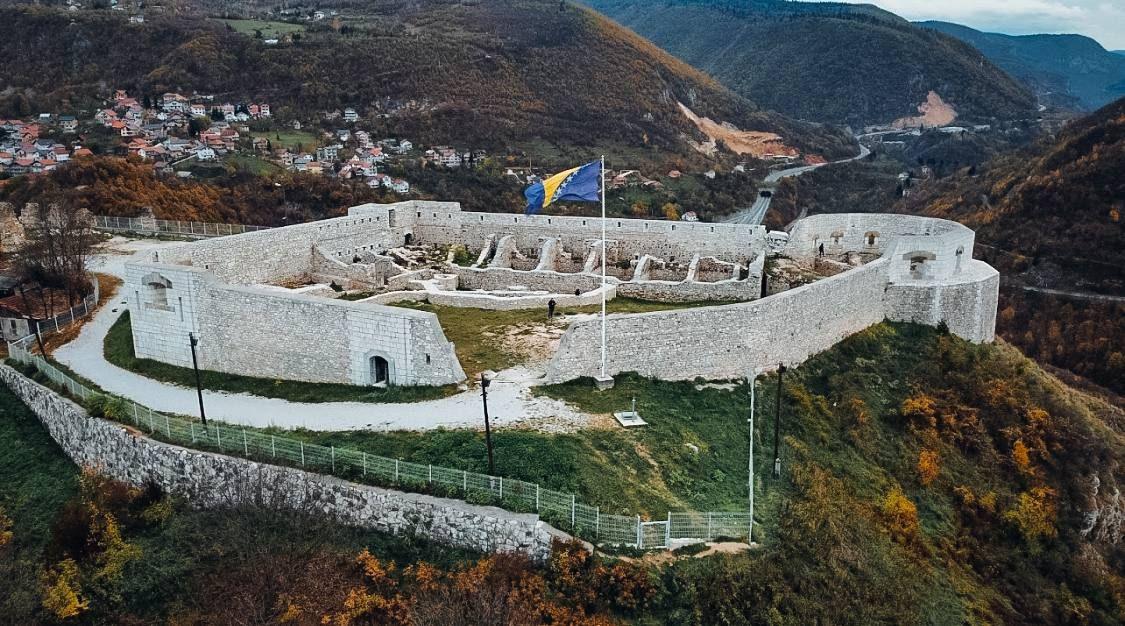
14. White Bastion.
The ruins of a white stone fortress on top of a cliff, with a stunning view over the city. 25–35 minutes on foot from the old town. Worth visiting for the view of the city; the fortress itself isn't of particular interest. Entry 5 KM.
https://maps.app.goo.gl/Yo29JiSb7BiFMgVv5?g_st=com.google.maps.preview.copy
15. Sarajevska Gondola to Trebević
A cable car station taking you to one of the viewpoints and to the old Olympic sites
An amazing view of Sarajevo. Plus a nice little café at the top, also with a magnificent view.
Return ticket 30 KM
Photos 5–7
https://maps.app.goo.gl/7ikEzhkBv2t8ftYD7?g_st=com.google.maps.preview.copy
* While strolling around Sarajevo, pay attention to the red marks on the asphalt. During the siege of Sarajevo (1992–1996) the city was shelled every day. Where mortar shells hit the asphalt, distinctive craters were left. After the war many of these marks were filled with red resin – and that's how the Sarajevo Roses appeared 🌹
Each such "rose" is a place where people died. They have become living memorials to the tragedy, part of the city's memory and a symbol of the residents' resilience.
Walking the streets of Sarajevo, you can spot them near schools, markets, houses – in the most ordinary places. And each of them speaks without words of pain, loss and the price of peace.
🥀 Not just a crack in the asphalt, but a wound that the city chose not to heal but to preserve – so that people remember.
Photos 8–9
Additions to the guide. About dogs in Bosnia
= pets friendly
Published April 16, 2025 · Open post in Telegram ↗
Sarajevo with a dog: what you need to know
An addition to the Sarajevo guide.
Sarajevo guide, Part 1
Sarajevo guide, Part 2
Sarajevo guide, Part 3
Bosnian coffee
Bosnian ćevapi. Travnik, Sarajevo or Banja Luka style — which are tastier?
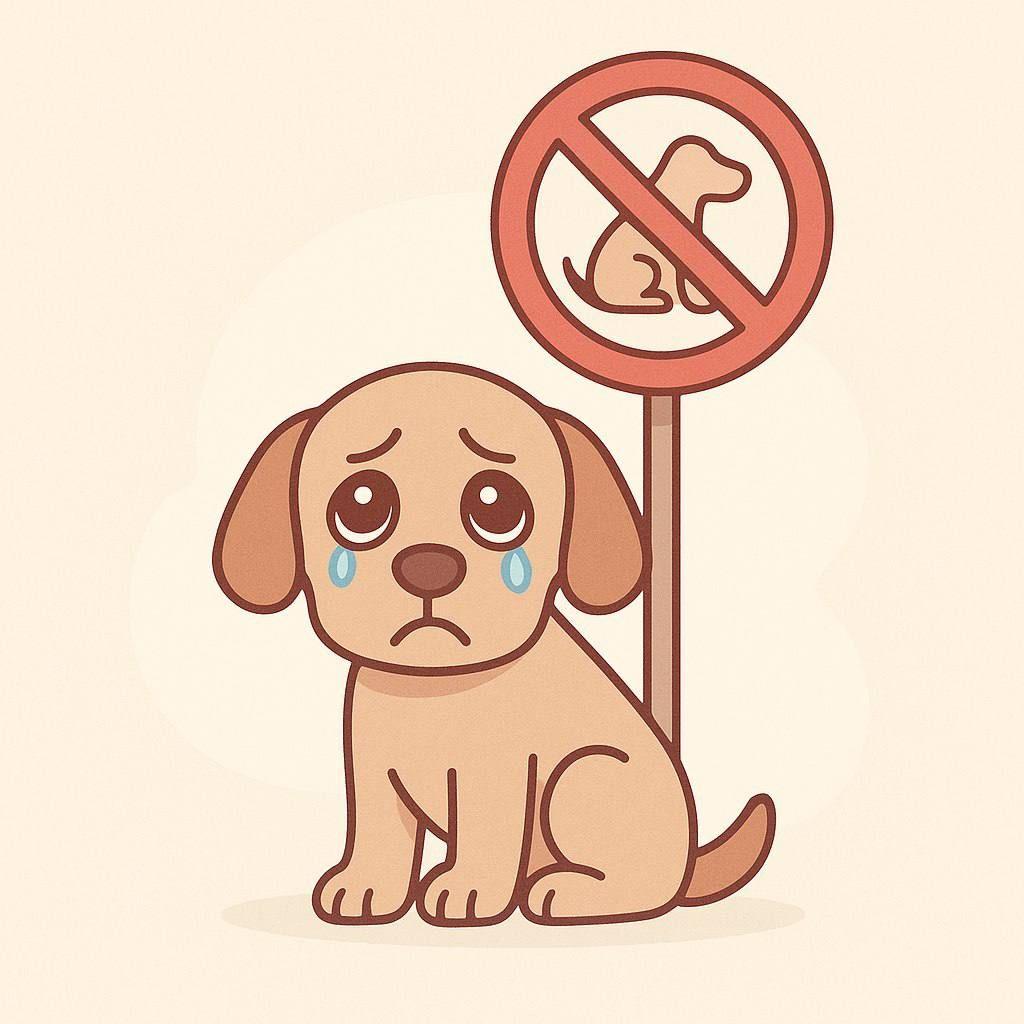
If you're travelling with a dog, keep in mind that some regions of Bosnia are predominantly Muslim. Sarajevo ranks first by this measure, followed by Tuzla, Zenica, Bihać, Goražde and Visoko.
In Islam, dogs are considered ritually unclean – above all their saliva. That's why in many Muslim countries and regions it's not customary to let dogs into public places, especially where food is served. This rule is linked to ideas of purity, which are important in Islamic culture.
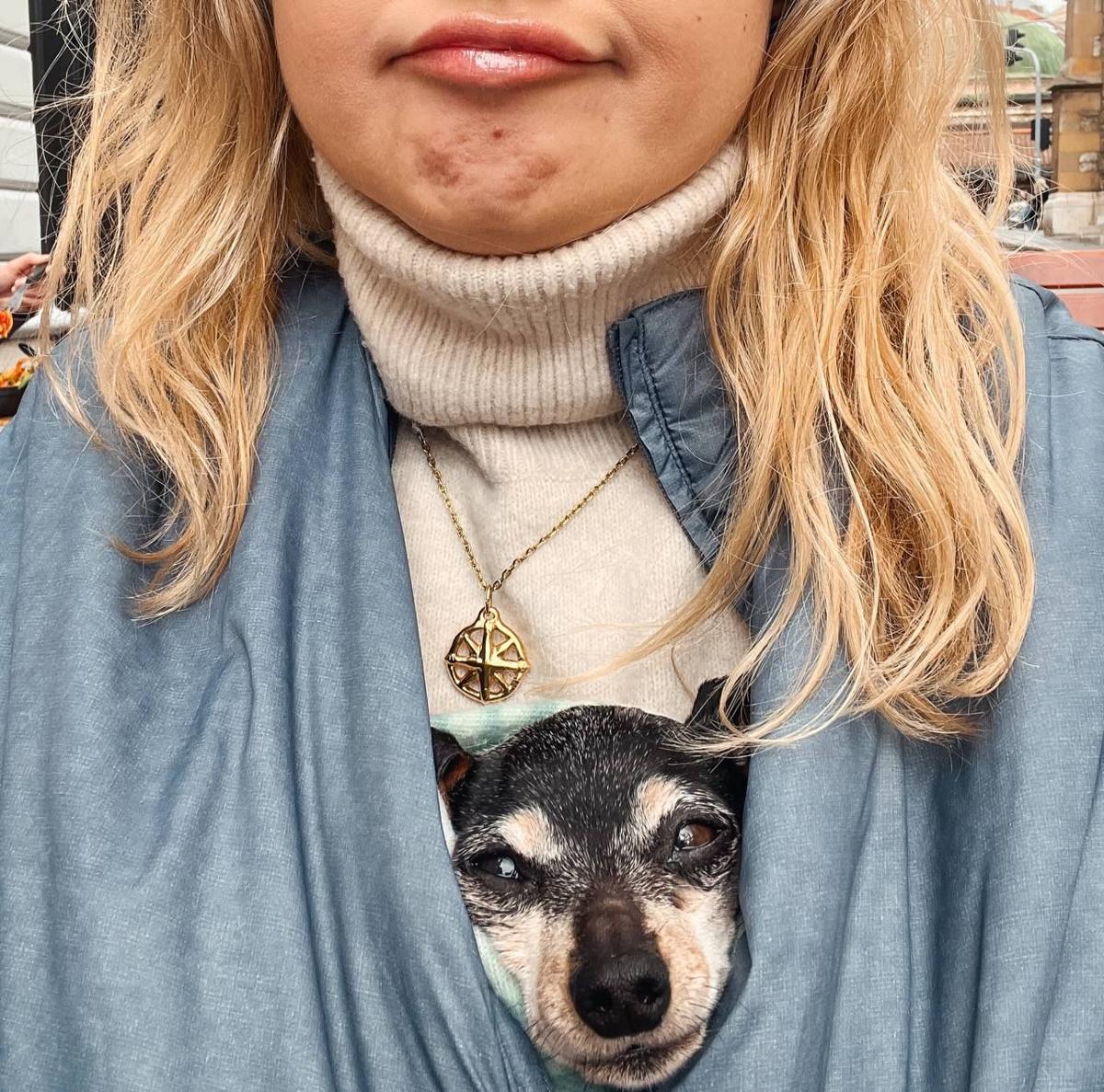
In Bosnia and Herzegovina, where a significant part of the population is Muslim, attitudes to dogs are mixed. On the one hand, in the cities you can meet people walking their dogs, and even places that welcome them. On the other hand, in traditional Muslim neighbourhoods, and especially in venues that observe religious norms, dogs are not allowed in, even a small pet in a bag. (they really don't let them in, tested on my own 2-kilogram doggie)
It's probably best not to see this as cruelty or a dislike of animals – after all, it's a tribute to customs and respect for cultural and religious feelings, of both guests and café owners. In Bosnia, as in other multi-ethnic countries, it's important to take each other's traditions into account in order to keep the peace. 🕌🍽🐕
From personal experience: we weren't let into a single café in the center. To be honest, we didn't try every café — three refusals were quite enough. We had to have lunch on a terrace in March in an icy, piercing wind. Not the best feeling. So on our next visit, to have lunch, we couldn't think of anything better than hiding the dog under a jacket, and she illegally visited several forbidden places) You can try this if your dog is just as small and calm. Otherwise:
📌 it's better to check the rules of the place in advance (for example, on Google Maps) — this will help you avoid awkward situations and hungry, angry wandering around the city.
Published April 17, 2025 · Open post in Telegram ↗
How to drink coffee the Bosnian way
Useful for everyone spending the weekend in Bosnia.
A must-do. In Bosnia, forget about lattes and cappuccinos — you need to drink Bosnian coffee.
☕️ Drinking Bosnian coffee the right way means taking your time, with soul
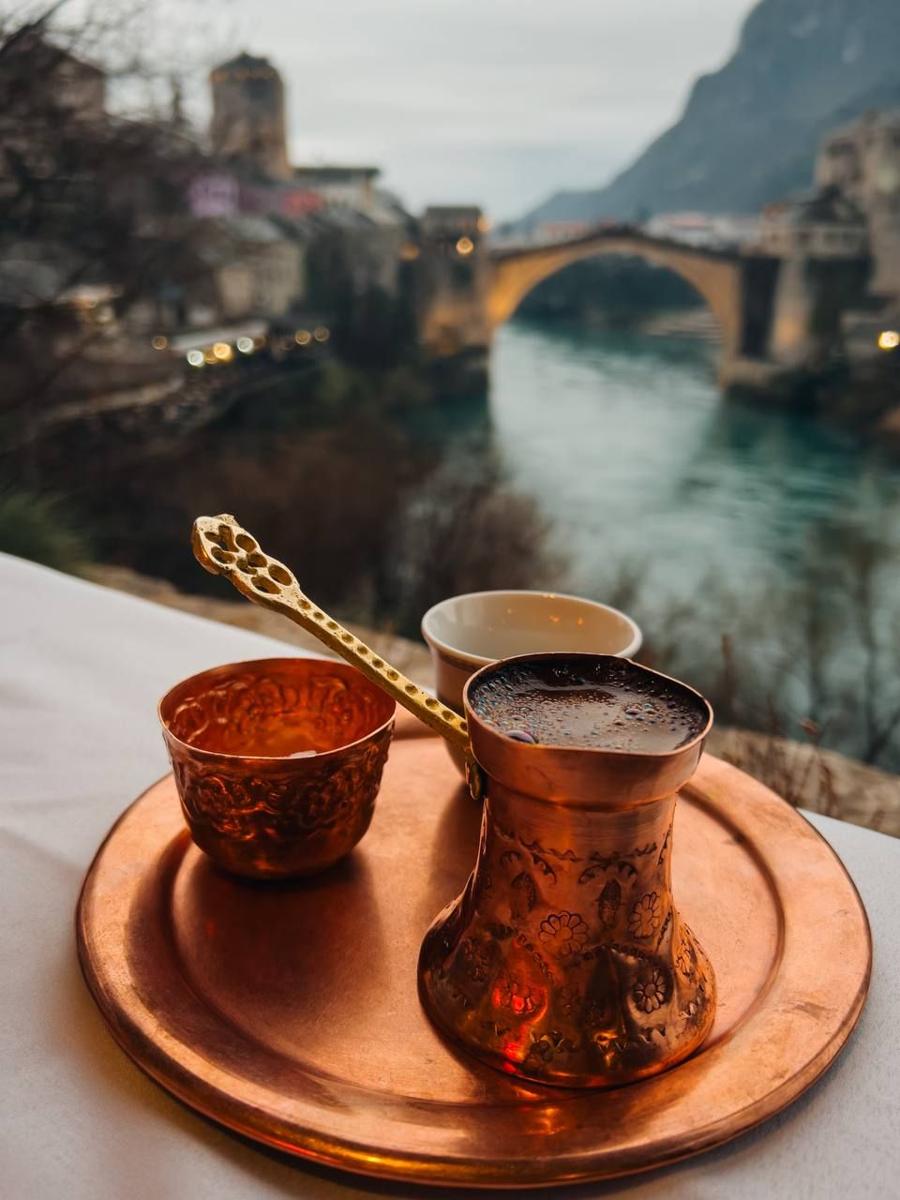
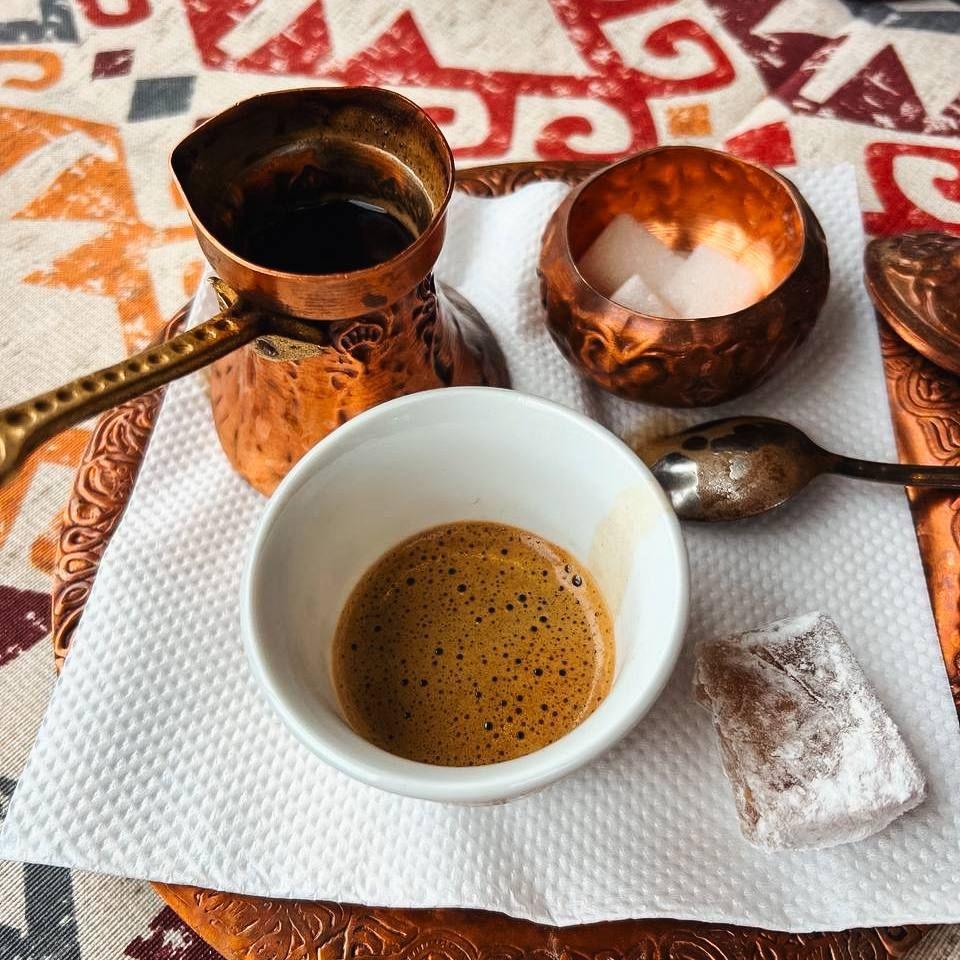
Bosnian coffee isn't just a drink, it's a ritual. It's brewed in a džezva and served with a sugar cube and often with Turkish delight (rahat lokum). You don't drink it on the run, but slowly, in good company — or in silence, alone with your thoughts.
Here's how to drink Bosnian coffee properly:
1. Don't stir right away. Let the grounds settle.
2. Dip a sugar cube in the coffee, bite into it — and wash it down with a sip.
3. Drink in small sips, savoring the aroma and the moment.
4. Don't rush. In Bosnia, coffee is a reason to talk, to pause, to live "here and now".
This coffee isn't about getting a buzz — it's about connection. With yourself, with another person, with history.
🫖 In Sarajevo they say: "Hajirli olsun" — may your day be good, wishing you luck and prosperity.
Sarajevo, Travnik or Banja Luka ćevapi? Who is the goat?
Published April 19, 2025 · Open post in Telegram ↗
Ćevapi of Sarajevo, Banja Luka and Travnik: what's the difference
A question for everyone who's been to Bosnia. Have you tried the local ćevapi? Did you feel the difference compared to the Serbian ones?
Turns out these ćevapi aren't so simple🤔 Here's a gastronomic guide to the Balkans' greatest pride.
Balkan ćevapi aren't just food. They're a religion. And every school has its own "prophet". Sarajevo, Banja Luka and Travnik are the three capitals of ćevapi. Let's figure out what they're made of, what they're served with, and why your mouth is already watering
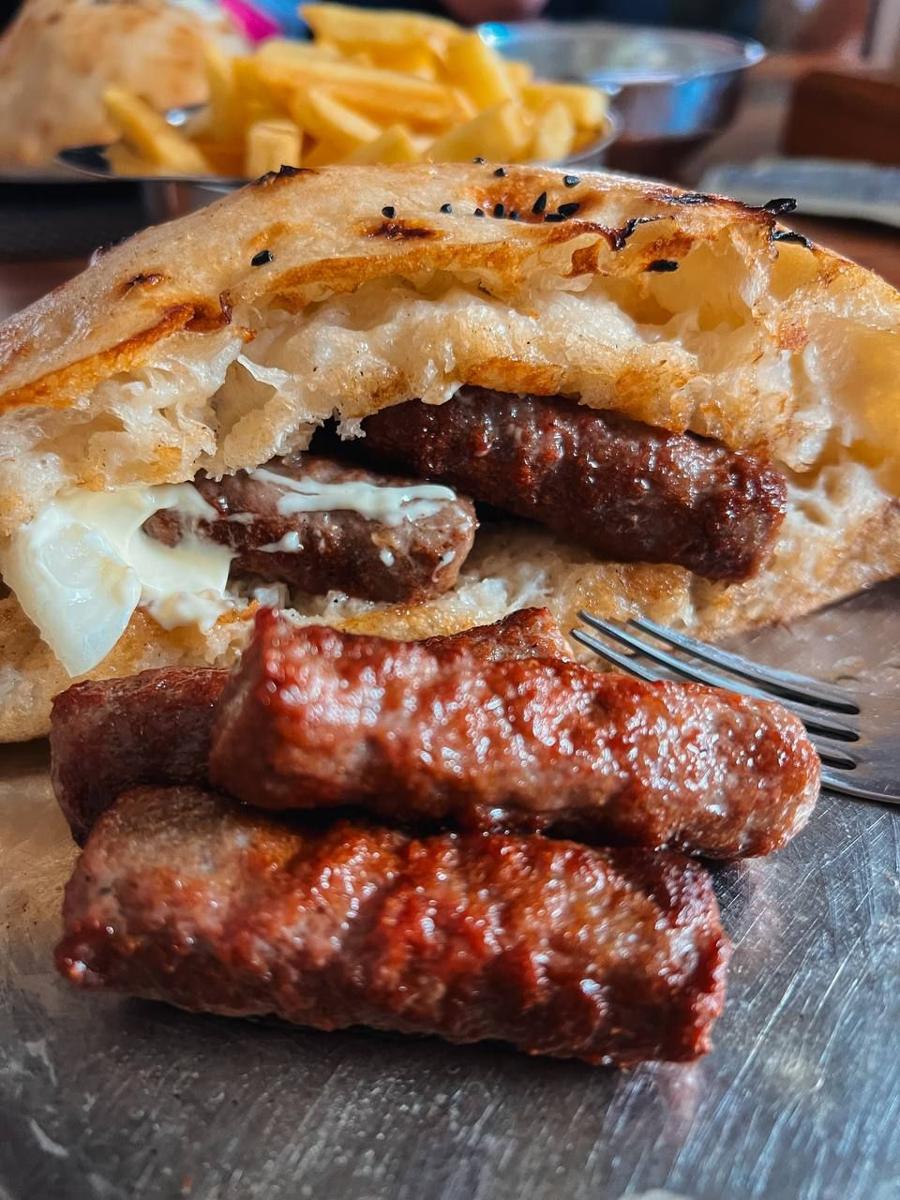
Sarajevo ćevapi
Meat: beef + a little lamb
Shape: small, 10 per portion
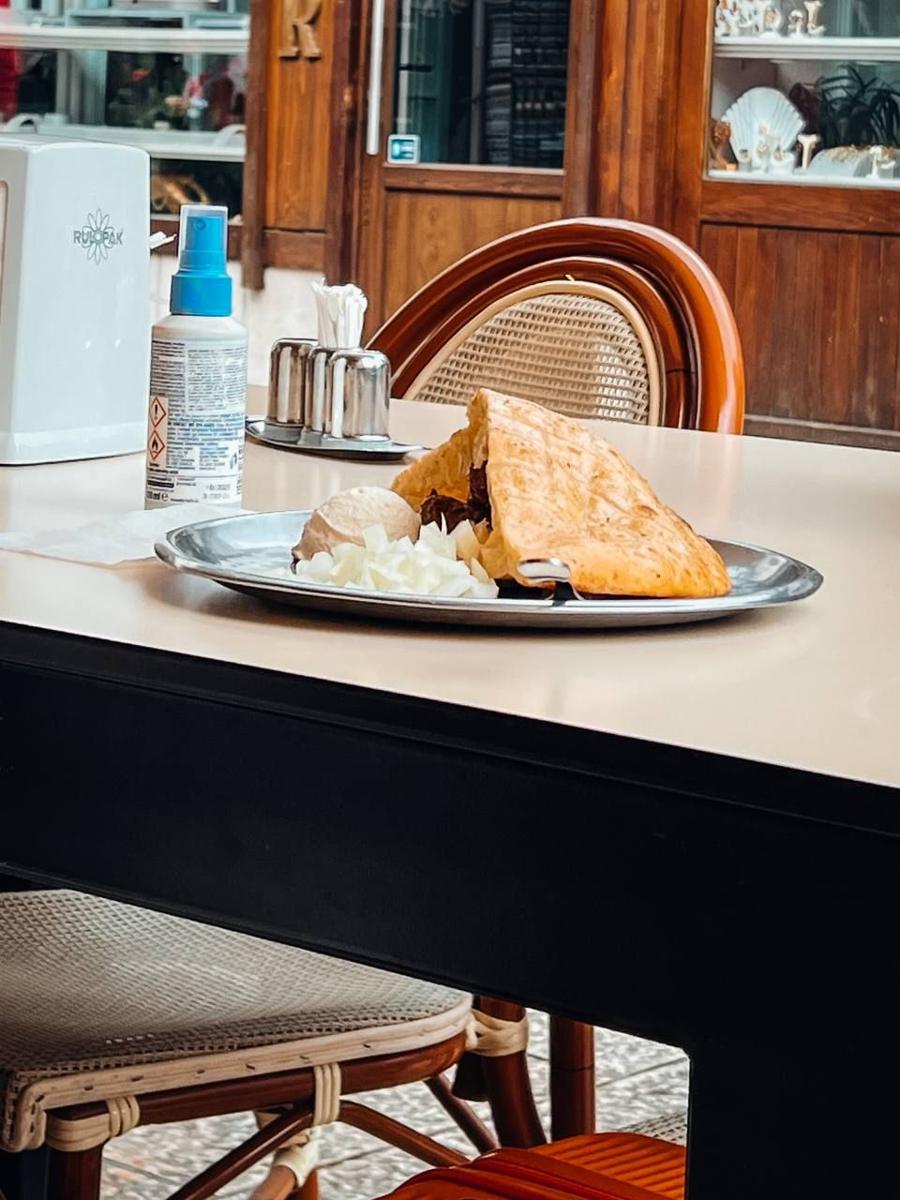
Served: in somun (soft flatbread), with onion and kajmak
Taste: a light smokiness, slightly spiced, well balanced
Style: the classic. Big-city stuff — whichever way you look at it, they're the most popular.
Banja Luka ćevapi
Meat: beef only
Shape: joined into "blocks" of 4–6 pieces
Served: also in flatbread, but the meat inside can be softer and fattier
Taste: richer, meatier, sometimes slightly garlicky
Style: for those who like to really eat their fill and not split their food into bits. They're said to be juicier thanks to their "unity".
Travnik ćevapi
Meat: beef + lamb, often hand-chopped
Shape: medium-sized but dense
Served: the same flatbread, onion, kajmak if you like
Taste: juicier than Sarajevo ones, with a more pronounced meaty flavor. Drizzled with broth
Style: for connoisseurs and foodies. Those who've tried them know — this may be the best option.
So which are tastier?
It's like asking: "Who do you love most – mum, dad or grandma with her pies?"
They're all delicious. But if you want the classic – go for the Sarajevo ones. If you like something more filling – the Banja Luka ones. And if you want maximum meat and flavour – head to Travnik.
For me the Travnik ones are 🔥, but I haven't tried the Banja Luka ones yet)
Tried all three? Tell us which is your number one.
Sarajevo guide, Part 1
Sarajevo guide, Part 2
Sarajevo guide, Part 3
Bosnian coffee
Published April 25, 2025 · Open post in Telegram ↗
Will you join us next time?
Announcements of hikes and trips, the weekly what's on and new places appear in the channel first.
Where else to go